
Are you struggling to understand how to calculate accounts receivable and why it matters for your business? Knowing this simple yet powerful number can give you a clear picture of how much money your customers owe you.
Imagine having the ability to track your income more accurately and improve your cash flow without guesswork. You’ll discover easy steps to calculate accounts receivable and learn how this knowledge can help you make smarter financial decisions. Keep reading, and you’ll unlock a key tool to boost your business’s financial health.
Credit: corporatefinanceinstitute.com
Accounts Receivable Basics
Understanding accounts receivable is important for every business owner. It shows how much money customers owe for goods or services. Knowing the basics helps manage cash flow and plan better.
Accounts receivable is a key part of business finance. It affects how money moves in and out daily. Learning its basics can improve financial health and decision-making.
What Accounts Receivable Means
Accounts receivable is money owed by customers. It happens when a business sells products but allows delayed payment. This creates a record of unpaid invoices. It is a current asset on the balance sheet.
Businesses track accounts receivable to know who must pay and when. This helps keep sales and credit organized. It also shows how much cash will come in soon.
Importance For Business Cash Flow
Cash flow depends on how quickly customers pay. Slow payments can cause cash shortages. This affects the ability to pay bills and buy supplies.
Good management of accounts receivable ensures steady cash inflow. It allows businesses to meet expenses and invest in growth. Tracking receivables helps reduce late payments and improve cash flow.
Key Components To Track
Tracking key components helps calculate accounts receivable accurately. These elements give a clear picture of money owed by customers. Understanding them improves cash flow and financial planning.
Customer Invoices
Customer invoices list products or services sold. They show the amount each customer must pay. Keep invoices organized to track payments and due dates easily.
Payment Terms
Payment terms define when customers should pay. Common terms include 30, 60, or 90 days. Clear terms reduce confusion and help manage cash flow.
Outstanding Balances
Outstanding balances are unpaid amounts from customers. Monitor these regularly to spot late payments. This helps maintain healthy business finances.
Step-by-step Calculation
Calculating accounts receivable helps track money customers owe your business. This step-by-step guide makes the process clear and easy. Follow these steps to get an accurate total.
Gathering Invoice Data
Start by collecting all invoices issued to customers. Include invoices that are not yet paid. Make sure to check both recent and older invoices.
Use your accounting software or manual records. Organize the invoices by date or customer. This helps avoid missing any invoices.
Summing Outstanding Amounts
Add up the amounts from all unpaid invoices. Only include the balance that customers still owe. Skip invoices that are fully paid.
Double-check your math to avoid errors. Use a calculator or spreadsheet for accuracy. This step gives you the total amount receivable.
Adjusting For Returns And Discounts
Subtract any returns or credits given to customers. Also, reduce the total by any discounts applied. These adjustments give a true picture.
Keep records of returns and discounts for reference. Make sure these amounts match your invoices. Adjusting ensures your accounts receivable is correct.
Tools For Easier Calculation
Calculating accounts receivable can be simple with the right tools. These tools help track money owed by customers. They reduce errors and save time. Using the proper tools makes managing finances easier.
Spreadsheets
Spreadsheets like Microsoft Excel or Google Sheets are popular choices. They allow users to create custom tables and formulas. You can list customer names, invoice dates, and amounts. Formulas automatically calculate totals and outstanding balances. Spreadsheets are flexible and cost-effective. They work well for small businesses or beginners.
Accounting Software
Accounting software offers more features than spreadsheets. Programs like QuickBooks or Xero organize all financial data in one place. They track invoices, payments, and customer details automatically. Reports generate quickly to show accounts receivable status. These tools reduce manual work and improve accuracy. They suit growing businesses needing detailed financial management.
Common Mistakes To Avoid
Calculating accounts receivable can be tricky without careful attention. Many businesses make simple mistakes that cause confusion and errors. Avoiding these common errors helps keep your financial records clear. It also improves cash flow management and decision-making.
Ignoring Aging Invoices
Not tracking invoice age leads to missed payments. Old invoices may be forgotten or overlooked. This mistake causes inaccurate accounts receivable balances. Always review how long invoices have been outstanding. Prioritize collection efforts on the oldest debts first. Aging reports give a clear view of what needs attention.
Mixing Paid And Unpaid Amounts
Confusing paid invoices with unpaid ones distorts your data. Including payments in receivables inflates the amount owed. Keep records updated as payments arrive. Separate paid invoices from those still due. This practice ensures your accounts receivable reflects real outstanding money.

Credit: www.double-entry-bookkeeping.com
Improving Accounts Receivable Management
Managing accounts receivable well helps keep cash flow steady. It reduces the chance of late payments and lost income. Good management also builds stronger relationships with customers. Small changes can make a big difference in collecting money on time. Here are simple steps to improve your accounts receivable process.
Setting Clear Payment Terms
Clear payment terms prevent confusion. Always state when payments are due and any penalties for late payments. Put these terms in writing and share them before work starts. Customers are more likely to pay on time if they know the rules. Keep terms easy to understand and fair.
Regular Follow-ups
Follow up on invoices quickly and often. A polite reminder can speed up payment. Use email, phone calls, or messages to check in. Set a schedule for follow-ups, like a week before and after the due date. Consistent contact shows you care about getting paid on time.
Offering Multiple Payment Options
Make it easy for customers to pay you. Offer various payment methods such as credit cards, bank transfers, or digital wallets. More options reduce delays caused by payment difficulties. Choose methods that suit your customers and your business. Simple payments lead to faster collections.
Using Accounts Receivable Data
Using accounts receivable data helps businesses manage money and risks well. It shows how much customers owe and when payments arrive. This information guides decisions about spending and lending. Understanding this data keeps the business stable and prepares it for the future.
Cash Flow Forecasting
Accounts receivable data predicts incoming cash. It helps estimate money available in coming weeks or months. This forecast helps plan bills, salaries, and purchases. Knowing expected payments avoids running out of cash. It keeps daily operations smooth and steady.
Credit Risk Assessment
Accounts receivable data shows which customers pay on time. It highlights late or missed payments. This data helps decide who to trust with credit. Businesses can reduce risks by limiting credit to risky customers. It protects the company from losing money.
Credit: www.wallstreetprep.com
Frequently Asked Questions
What Is Accounts Receivable In Accounting?
Accounts receivable represents money owed to a business by its customers. It arises from credit sales and shows outstanding invoices. It is recorded as a current asset on the balance sheet. Properly managing it ensures healthy cash flow for the company.
How Do I Calculate Accounts Receivable Turnover Ratio?
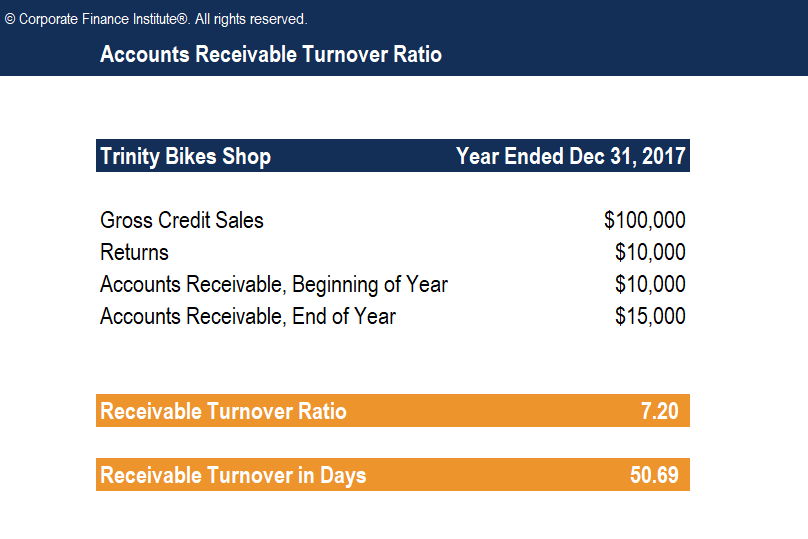
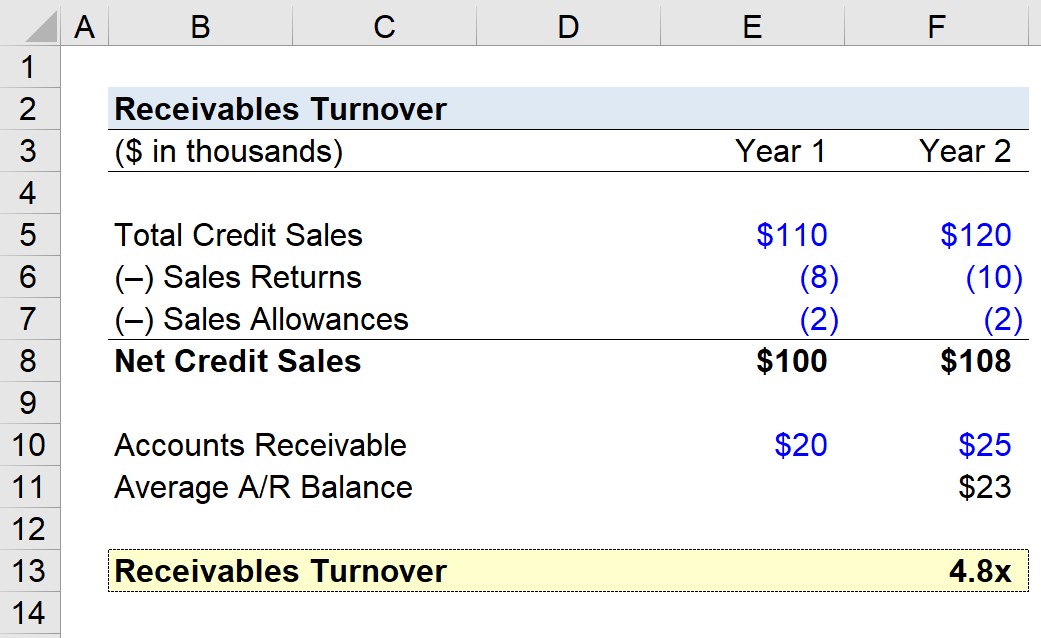
The accounts receivable turnover ratio equals net credit sales divided by average accounts receivable. It measures how quickly a business collects debts. A higher ratio indicates efficient collection and strong cash flow management.
Why Is Accounts Receivable Important For Businesses?
Accounts receivable impacts cash flow, liquidity, and working capital. It indicates how well a company manages credit sales and collects payments. Effective management reduces bad debts and improves financial stability.
How Can I Reduce Accounts Receivable Days?
To reduce receivable days, send invoices promptly, offer early payment discounts, and follow up on overdue accounts. Clear credit policies and regular monitoring also help speed up collections and improve cash flow.
Conclusion
Calculating accounts receivable helps track money owed by customers. It keeps your business finances clear and organized. Knowing this number guides better decisions for cash flow. You can spot unpaid invoices quickly and follow up. This simple step supports your company’s financial health.
Practice regularly to stay on top of accounts receivable. It makes managing your business easier and less stressful. Understanding this process builds a strong foundation for success.
As an Amazon Associate, I earn from qualifying purchases.
