
Imagine walking into your home and having the lights turn on automatically, the thermostat set just right, and your favorite music playing softly—all without lifting a finger. Sounds like a dream, right?
But what if you could make this your everyday reality? You might be wondering, “How do I make my home smart? ” The good news is, turning your house into a smart home is easier than you think. Whether you want to save money, boost security, or just enjoy more convenience, this guide will show you simple steps to transform your space.
Ready to discover how your home can work smarter for you? Keep reading to unlock the secrets.
Credit: corezoid.com
Benefits Of A Smart Home
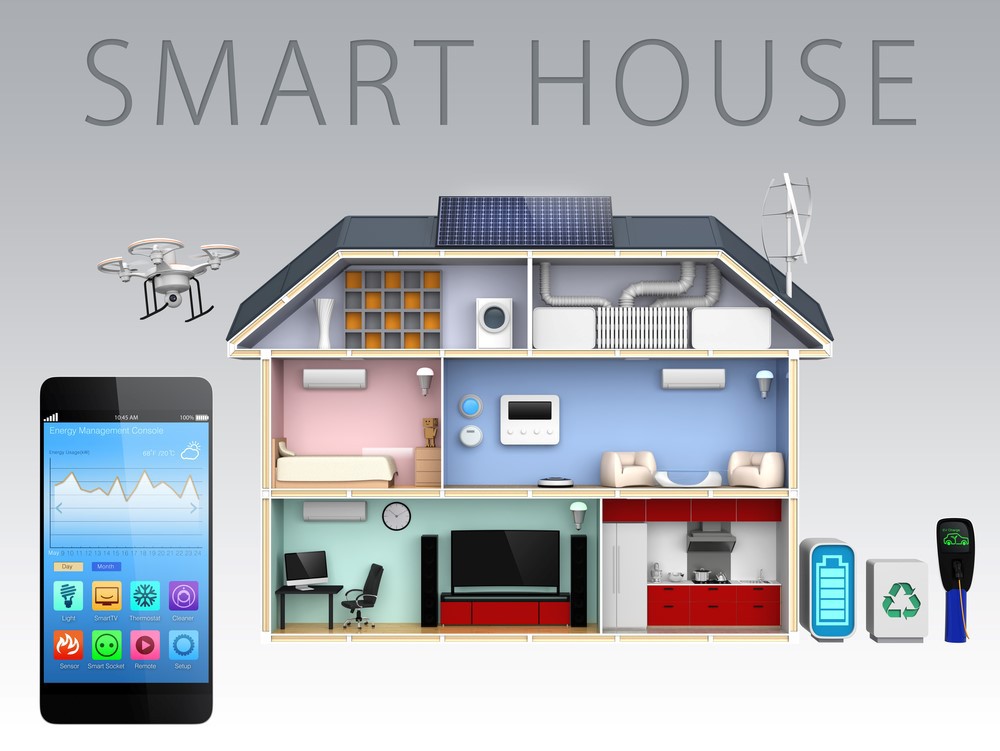
Smart homes offer many benefits that improve daily living. They bring ease, safety, and savings to your household. These advantages make smart homes a popular choice for many.
Enhancing Comfort
Smart devices adjust your home’s settings automatically. Lights, temperature, and music can change to your liking. Control your home from anywhere using your phone. This makes your living space more relaxing and convenient.
Boosting Security
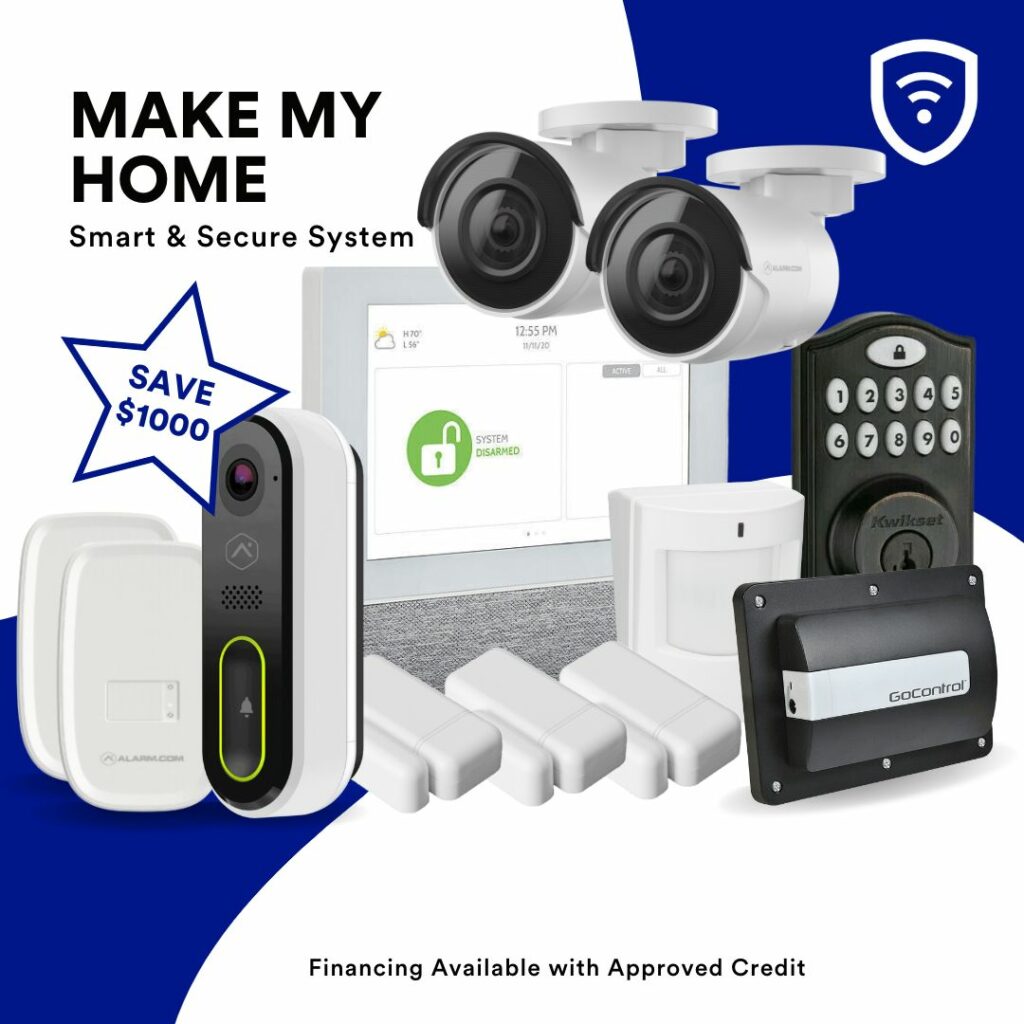
Smart security cameras and alarms protect your home day and night. Receive alerts if there is unusual activity. Smart locks let you control who enters your home. These tools keep your family and belongings safe.
Energy Efficiency
Smart thermostats and lights save energy by working only when needed. They reduce electricity use without sacrificing comfort. This lowers your utility bills and helps the environment. Small changes lead to big savings over time.
Increasing Home Value
Homes with smart technology attract more buyers. They stand out in the real estate market. Smart features make your home modern and appealing. This can increase your property’s value and sell speed.
Credit: bsgtexas.com
Choosing The Right Smart Devices
Choosing the right smart devices is key to making your home smart. Each device serves a different purpose. Pick devices that fit your lifestyle and needs. Consider ease of use, compatibility, and budget. Start with simple gadgets and grow your smart home over time.
Smart Speakers And Assistants
Smart speakers act as the control center for your home. They respond to voice commands. Use them to play music, set timers, or control other smart devices. Popular options include Amazon Echo and Google Nest. Choose one that works well with your other devices.
Smart Lighting Solutions
Smart lighting makes your home more comfortable and efficient. You can adjust brightness and color with your phone or voice. Set schedules to save energy and create mood lighting. Look for bulbs that fit your fixtures and support your preferred app.
Security Cameras And Sensors
Security cameras help keep your home safe. Sensors can detect motion, doors opening, or water leaks. Choose cameras with clear video and easy installation. Wireless models offer flexibility. Check if the system sends alerts to your phone for real-time updates.
Smart Thermostats
Smart thermostats control your home’s temperature automatically. They learn your schedule and adjust heating or cooling. This saves energy and cuts bills. Look for models that work with your heating system and offer app control.
Appliances And Entertainment
Smart appliances add convenience to daily chores. Examples include smart refrigerators, washers, and ovens. Smart TVs and speakers improve entertainment options. Select devices that connect easily with your home network. Ensure they match your habits and space.
Setting Up Your Smart Hub
Setting up a smart hub is a key step to making your home smart. A smart hub acts as the central control point. It connects all your smart devices in one place. This makes managing your home easier and faster.
Choosing the right hub and linking your devices correctly ensures smooth operation. Using voice control adds convenience. Let’s explore how to set up your smart hub effectively.
Selecting A Compatible Hub
Choose a hub that works with your devices. Check the list of supported brands and products. Pick one that fits your budget and needs. Popular options include Amazon Echo, Google Nest, and Samsung SmartThings. Make sure it connects with your phone or tablet easily.
Connecting Devices Seamlessly
Connect each device to the hub using the app. Follow simple instructions for pairing devices like lights, cameras, and thermostats. Keep devices close to the hub during setup. This helps avoid connection problems. Label your devices in the app for easy control later.
Using Voice Control
Set up voice commands through your hub’s assistant. This lets you control devices hands-free. Say commands to turn lights on, play music, or check the weather. Practice simple phrases for best results. Voice control makes your smart home more user-friendly.
Creating Automation And Scenes
Creating automation and scenes makes your home smarter and easier to manage. Automations control devices automatically. Scenes group devices to work together. Both help save time and energy.
Automation lets your home respond to your habits. Scenes create the perfect setting for different moments. Together, they bring comfort and convenience.
Scheduling Daily Routines
Set your lights to turn on at sunset. Schedule your coffee maker to start before you wake up. Daily routines run automatically, fitting your lifestyle. This saves effort and keeps things consistent.
Triggering Actions With Sensors
Sensors detect motion, temperature, or light. They trigger actions like turning on lights when you enter a room. Sensors can adjust the thermostat based on room temperature. This adds smart responses without needing manual control.
Customizing Scenes For Different Moods
Create scenes for relaxing, working, or entertaining. Adjust lighting, music, and temperature with one command. Scenes help set the right mood easily. Change scenes anytime to match your feelings or activities.
Ensuring Privacy And Security
Making your home smart brings many benefits. It makes daily tasks easier and saves time. But smart devices can also create new risks. Protecting your privacy and security is very important. Without good security, hackers can access your personal information. You must take steps to keep your smart home safe.
Securing Your Network
Your home network is the main entry point for smart devices. Start by changing the default router password. Use a strong password with letters, numbers, and symbols. Enable WPA3 or WPA2 encryption on your Wi-Fi. Disable remote management features on your router. Create a separate network for your smart devices if possible. This limits access to your main network and sensitive data.
Managing Device Permissions
Each smart device asks for permissions. Check what data the device can access. Avoid granting unnecessary permissions. For example, a smart light should not access your contacts. Use the device’s app to review and adjust permissions regularly. Limit access to location, microphone, and camera unless needed. This reduces the chance of privacy breaches.
Regular Software Updates
Device makers release updates to fix security flaws. Install updates as soon as they are available. Enable automatic updates if the option exists. Outdated software is an easy target for hackers. Regular updates keep your devices protected from new threats. Check all devices, including your router and smart assistants.
Credit: hometechhacker.com
Troubleshooting Common Issues
Smart homes bring comfort and convenience, but they can face issues. Knowing how to fix common problems helps keep your system running smoothly. Troubleshooting makes your smart home more reliable. It saves time and frustration.
Connectivity Problems
Smart devices need a strong internet connection. Weak Wi-Fi often causes devices to lose connection. Restart your router to refresh the network. Move devices closer to the router for better signal. Check for interference from other electronics. Updating your router’s firmware can improve performance.
Device Compatibility
Not all smart devices work well together. Check device compatibility before buying new gadgets. Use devices that support the same platform or app. Some devices only work with specific voice assistants. Mixing brands can cause control problems. Always read product details about compatibility.
Resetting And Reconfiguring Devices
Reset devices if they stop responding. Most devices have a reset button or option. Hold the button for a few seconds to reset. After resetting, reconnect the device to your network. Reconfigure settings using the device’s app. This often fixes bugs and restores function.
Expanding Your Smart Home Over Time
Expanding your smart home over time is a smart way to enjoy new technologies without stress. Start small and grow your system step-by-step. This approach lets you learn about each device and see how it fits your lifestyle.
Adding new devices becomes easier as you understand your home’s needs better. Keep track of what works and what doesn’t. This helps you make smart choices for future upgrades.
Adding New Devices
Choose devices that match your current setup and needs. Start with simple gadgets like smart bulbs or plugs. These are easy to install and use. Gradually add more advanced devices like smart thermostats or security cameras. Check if new devices work with your existing system. This keeps your smart home connected and efficient.
Integrating With Smart Home Services
Use smart home services to control all devices from one app. Services like Google Home, Amazon Alexa, or Apple HomeKit simplify management. They let you create routines and automate tasks. Integration improves your home’s convenience and saves time. Make sure new devices support your chosen service. This avoids compatibility issues.
Staying Updated With Technology Trends
Technology changes fast. Stay informed about new smart home products and updates. Read reviews and watch videos to learn about features. Update your device software regularly. Updates improve performance and security. Being aware of trends helps you keep your home modern and safe.
Frequently Asked Questions
What Are The First Steps To Make My Home Smart?
Start by choosing a reliable smart home hub. Next, install smart devices like lights, thermostats, and security cameras. Ensure all devices connect to the same network for seamless control via apps or voice assistants.
Which Smart Devices Are Essential For Beginners?
Essential smart devices include smart bulbs, plugs, thermostats, and security cameras. These improve convenience, energy efficiency, and safety. They are easy to install and compatible with most smart home systems.
How Can I Secure My Smart Home Network?
Use a strong, unique Wi-Fi password and enable network encryption. Regularly update device firmware and consider a separate network for smart devices to reduce hacking risks.
Can I Control Smart Home Devices Remotely?
Yes, most smart devices offer remote control via smartphone apps. This allows you to manage lighting, temperature, and security from anywhere with internet access.
Conclusion
Making your home smart brings ease and comfort every day. Start with simple devices like smart lights or speakers. These tools help save energy and time. You can control many things using your phone. Security improves with smart cameras and alarms.
Choose devices that fit your needs and budget. Take small steps and enjoy a modern home. Smart living is not hard to achieve. It grows with your lifestyle and tech skills. A smart home feels safer and more connected.
As an Amazon Associate, I earn from qualifying purchases.

