
Wiring your speakers might seem tricky at first, but it doesn’t have to be. Whether you’re setting up a home theater or upgrading your car audio, knowing how to wire speakers correctly can make all the difference in sound quality.
If you’re unsure where to start or worried about making mistakes, this guide is made just for you. By the end, you’ll feel confident connecting your speakers like a pro and enjoy crystal-clear sound without the hassle. Ready to get your audio system sounding its best?
Let’s dive in.
Choosing The Right Speakers
Choosing the right speakers is important for good sound quality. The type of speakers you pick affects your listening experience. Different spaces need different speakers. Understanding speaker types helps you make a better choice.
Consider your room size and shape. This will guide your speaker selection. The wrong speakers might not fill the space well. The right speakers match the room’s size and use.
Types Of Speakers
There are many speaker types. Bookshelf speakers are small and fit on shelves. Floor-standing speakers are tall and deliver deep bass. In-wall speakers hide inside walls for a clean look. Outdoor speakers resist weather for outside use. Each type suits different needs and spaces.
Matching Speakers To Your Space
Room size is key. Small rooms work well with small speakers. Large rooms need bigger or more powerful speakers. Consider speaker placement. Corners can boost bass. Open areas may need more speakers for even sound. Think about how you use the space too. For movies, surround sound speakers work best. For music, stereo speakers often suffice.
Credit: blog.kantoaudio.com
Gathering Necessary Tools
Before wiring speakers, gather all necessary tools. Having the right tools makes the process smooth and safe. It saves time and avoids mistakes. Prepare your workspace to keep tools close and organized. This way, you stay focused and efficient.
Essential Wiring Tools
Start with a wire stripper. It removes insulation without damaging wires. A screwdriver is key. Different speaker models use various screws. A multimeter helps check connections and voltage. Use it to avoid wrong wiring. Electrical tape secures wire ends and prevents shorts. A pair of pliers grips and bends wires easily.
Additional Accessories
Speaker wire connectors speed up wiring and improve contact. Cable ties keep wires neat and prevent tangling. Heat shrink tubing protects and insulates connections. A drill may be needed for mounting speakers or running cables through walls. Labeling tape helps mark wires for easier installation and future repairs.
Preparing Speaker Wires
Preparing speaker wires is a key step before connecting your speakers. Proper preparation ensures clear sound and a secure connection. It also helps avoid damage to your audio system.
Start by choosing the right wire and then prepare the ends for connection. This process is simple but important for good audio quality.
Selecting Wire Gauge
Speaker wires come in different thicknesses called gauges. The lower the number, the thicker the wire. Thick wires carry sound signals better over long distances. For most home speakers, 16 or 14 gauge wire works well. Use thicker wire for longer runs to keep sound clear. Thin wires can cause weak sound or signal loss.
Stripping And Connecting Wires
Use a wire stripper to remove about half an inch of insulation from each wire end. Be careful not to cut the metal wire inside. Twist the exposed wires to keep them neat. Connect the wires to speaker terminals by matching the positive and negative ends. Tighten the terminals to hold wires firmly. Good contact prevents crackling and sound dropouts.
Connecting Speakers To Amplifier
Connecting speakers to an amplifier is a key step in setting up your audio system. This process ensures your speakers receive the right signals to produce clear sound. Proper wiring helps avoid damage to your equipment and improves sound quality.
Understanding how to connect speakers correctly can seem tricky. Focus on two important tasks: identifying terminals and securing wire connections. These steps make your setup safe and effective.
Identifying Positive And Negative Terminals
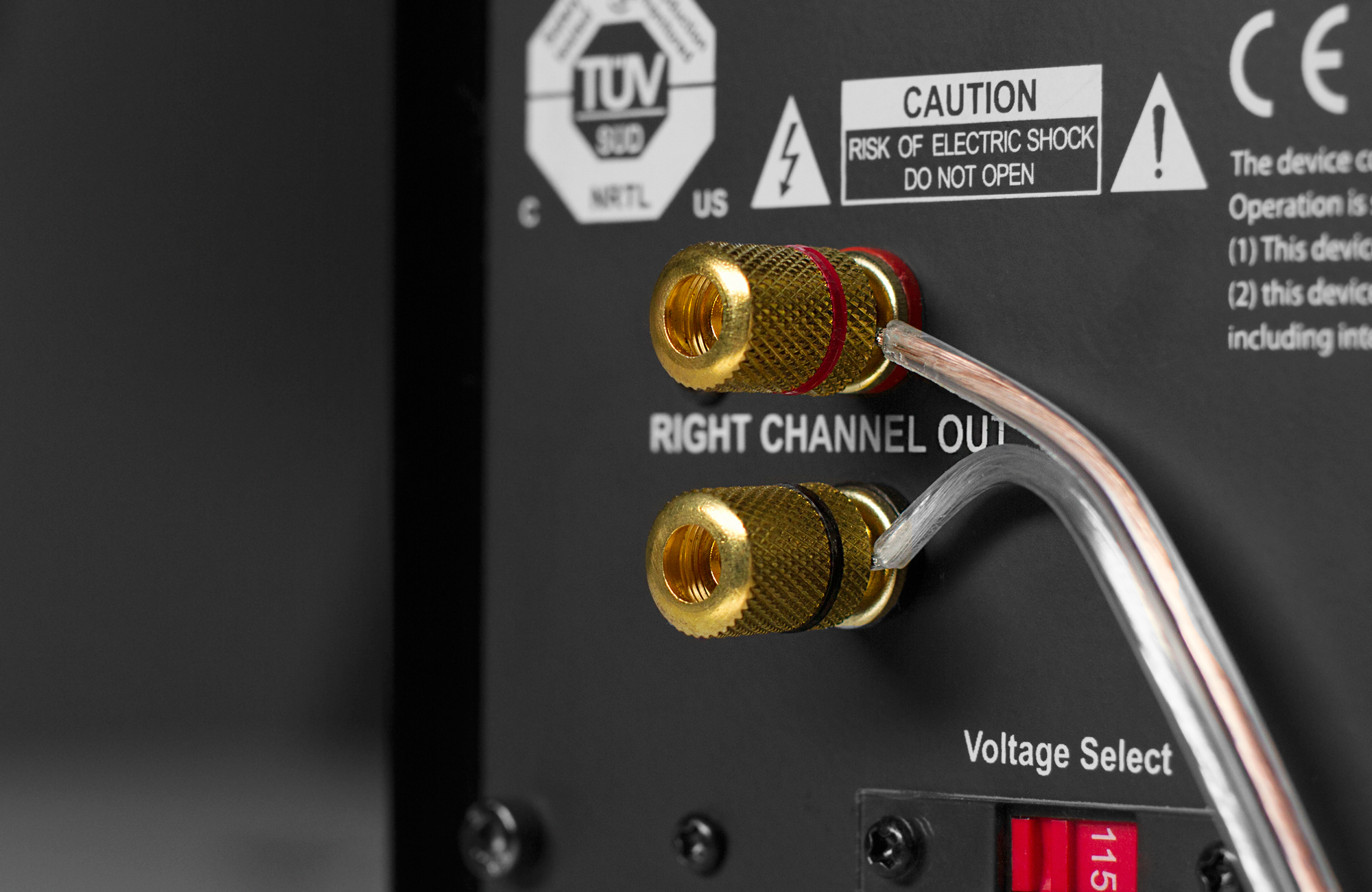
Speakers and amplifiers have positive and negative terminals. These are usually marked with a plus (+) for positive and a minus (–) for negative. Matching these terminals correctly is important. It prevents sound distortion and speaker damage.
Check the amplifier and speaker labels carefully. Use the same color wire for positive connections, often red. Use black or another color for negative connections. Keeping polarity consistent ensures proper sound flow.
Securing Wire Connections
Secure wire connections prevent loose contact and signal loss. Strip the wire ends to expose about half an inch of copper. Avoid cutting too much to prevent short circuits.
Insert the wire firmly into the terminal or binding post. Tighten screws or clamps to hold the wire in place. Give a gentle tug to check if the wire is secure.
Loose wires cause crackling sounds or no sound at all. Use quality speaker wire and keep connections clean. This practice improves audio performance and reliability.
Setting Up Speaker Placement
Setting up speaker placement is key to great sound quality. Proper positioning helps you hear clear and balanced audio. It also improves the overall listening experience in any room.
Small changes in speaker placement can make a big difference. Understanding where to place your speakers prevents sound problems. This section guides you on how to set up your speakers for the best results.
Optimal Speaker Positioning
Place speakers at ear level for the best sound. Keep them at an equal distance from your main listening spot. Angle the speakers slightly toward the center to create a focused soundstage.
Leave some space between speakers and walls. Avoid pushing them directly against the wall to reduce echo. Use a triangular setup: you and the two speakers form a triangle.
Avoiding Common Placement Mistakes
Don’t block speakers with furniture or curtains. Objects in front of speakers can muffle sound. Avoid placing speakers too close to corners; bass can become too strong and muddy.
Keep speakers away from reflective surfaces like glass or tile. These surfaces cause unwanted echoes and distort sound. Avoid uneven distances between speakers and the listening spot.
:max_bytes(150000):strip_icc()/connect-speakers-to-receiver-or-amp-3135120-0ebd3c8d2696473cb99bd8df9f4ce4be.png)
Credit: www.lifewire.com
Testing Your Sound Setup
Testing your sound setup is a key step after wiring speakers. It ensures that all connections work well. You hear clear and balanced sound from all speakers. This step helps find problems early. Fixing issues now saves time and effort later.
Running Initial Sound Checks
Start by turning on your audio system. Play a sound track with clear vocals and instruments. Listen carefully to each speaker. Check if the sound is loud and clear. Move to different spots in the room. Notice if the sound is even everywhere. Adjust speaker positions if needed.
Troubleshooting Common Issues
No sound from a speaker? Check the wires are tight and correct. Swap speaker cables to find broken ones. Distorted sound? Lower the volume and check connections again. Buzzing or humming noise? Keep speaker wires away from power cables. Try changing the audio source to see if it helps.
Maintaining Speaker Wiring
Maintaining your speaker wiring helps keep sound quality clear and consistent. Good wiring care prevents interruptions and costly repairs. A little attention makes your speakers last longer and work better.
Regular Inspection Tips
Check your speaker wires often for any signs of wear. Look for cracks, frays, or loose connections. Make sure wires are firmly attached to the speaker terminals. Test your speakers to hear any sound issues. Early fixes stop bigger problems later.
Preventing Wire Damage
Keep wires away from sharp edges and heat sources. Avoid bending wires sharply or pulling them hard. Use cable clips or ties to keep wires neat and secure. Protect wires from pets or kids who may chew or pull them. Clean wires gently to remove dust without damaging them.

Credit: elac.com
Frequently Asked Questions
How Do I Connect Speakers To An Amplifier?
To connect speakers to an amplifier, match the positive and negative terminals on both devices. Use quality speaker wire for clear sound. Ensure the amplifier is off during connection to avoid damage. Secure connections firmly to prevent signal loss and enjoy optimal audio performance.
What Gauge Wire Should I Use For Speakers?
Use 16-gauge wire for speakers up to 50 feet for best sound quality. For longer distances, 14-gauge wire reduces signal loss. Thicker wire ensures better conductivity, improving audio performance. Always choose wire based on speaker distance and power requirements.
Can I Wire Multiple Speakers To One Amplifier?
Yes, you can wire multiple speakers to one amplifier using series or parallel wiring. Series wiring increases total impedance, while parallel lowers it. Ensure total impedance matches amplifier specs to avoid damage. Proper wiring enhances sound without overloading your amplifier.
How Do I Identify Speaker Wire Polarity?
Speaker wire polarity is identified by color coding or markings. Usually, red or a stripe indicates the positive wire. Black or plain wire is negative. Correct polarity ensures speakers are in phase, delivering clear and balanced sound.
Conclusion
Wiring speakers does not have to be hard. Follow the steps carefully and take your time. Use the right tools and check connections twice. Good wiring helps sound come out clear and strong. Always match the wires to the correct speaker terminals.
Keep wires neat to avoid confusion later. Test your setup before finalizing. Enjoy better sound from your speakers today!
As an Amazon Associate, I earn from qualifying purchases.

