
Have you ever wondered what really happens while you sleep? Sleep trackers promise to reveal the secrets of your night’s rest, but how do they actually work?
Understanding your sleep patterns can help you feel more energized, improve your health, and boost your mood. You’ll discover the simple science behind sleep trackers and how they turn your nightly movements and heartbeats into valuable insights. Keep reading to unlock the truth about your sleep and learn how to make the most of these handy devices.

Credit: www.newscientist.com
Basics Of Sleep Trackers
Sleep trackers help people understand their sleep patterns. They use sensors to collect data while you rest. This data gives insights into sleep quality and duration. Many devices connect to apps for easy review. Knowing your sleep habits can improve your rest over time.
Types Of Sleep Trackers
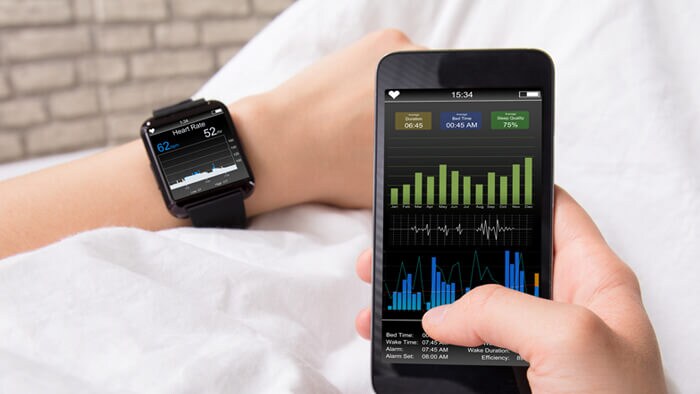
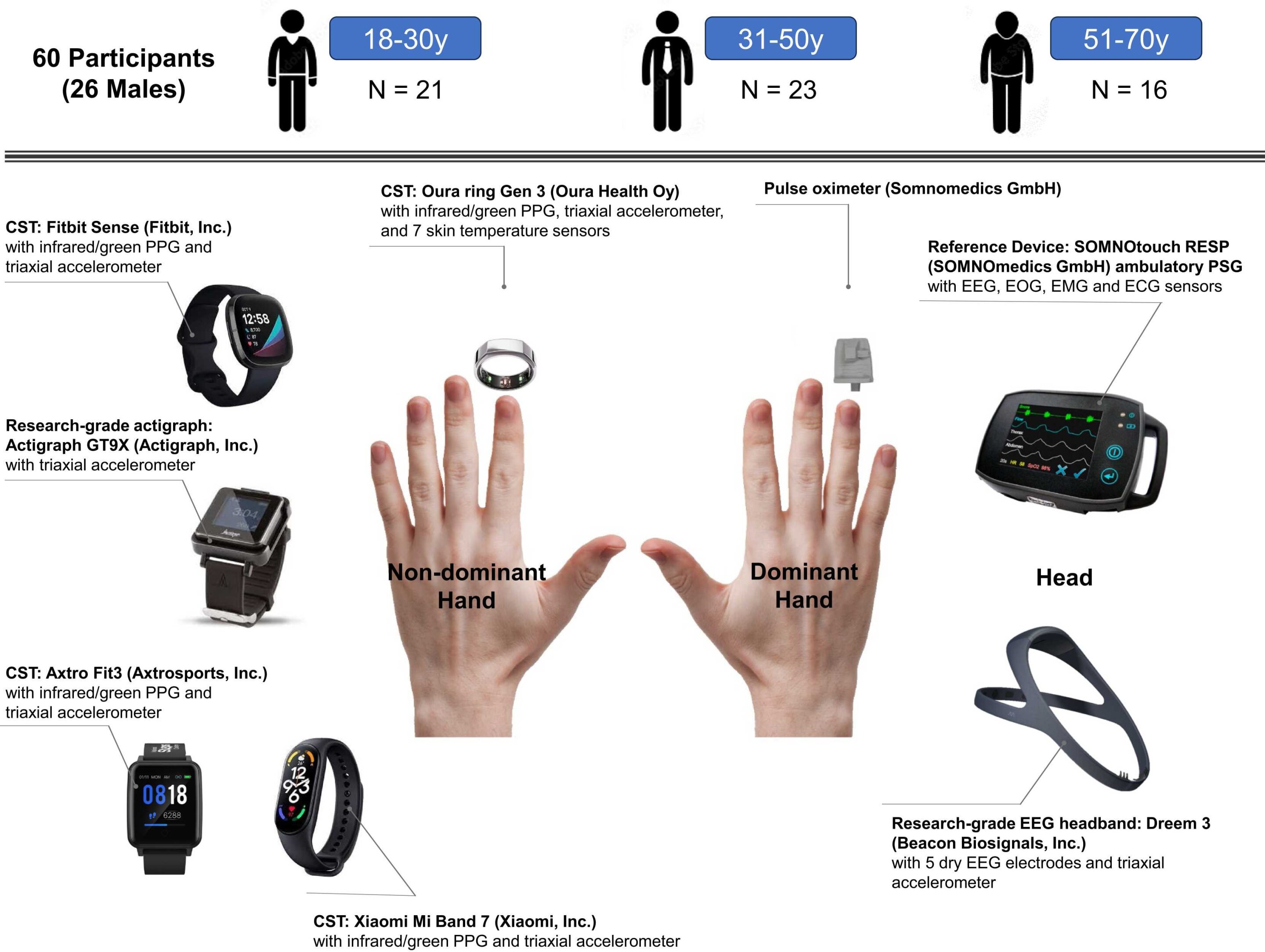
There are several types of sleep trackers. Wearable trackers are worn on the wrist or finger. They use motion sensors and heart rate monitors. Non-wearable trackers sit under your mattress or on your bedside table. These use sound or movement detection to track sleep. Smartphone apps can also monitor sleep using the phone’s sensors.
Key Metrics Tracked
Sleep trackers measure important sleep details. Total sleep time shows how long you sleep each night. Sleep stages include light, deep, and REM sleep phases. Heart rate and breathing rate offer clues about sleep quality. Some trackers also detect restless movements or wake times. This information helps you see how well you sleep.
Technology Behind Sleep Tracking
Sleep trackers use various technologies to monitor your sleep patterns. These devices collect data about your body and environment. They analyze this data to estimate your sleep stages and quality. Understanding the technology helps to know how accurate these devices can be.
Motion Sensors And Accelerometers
Most sleep trackers have motion sensors called accelerometers. They detect small movements while you sleep. The device records when you are still or restless. Less movement usually means deeper sleep. More movement can indicate light sleep or waking up.
Heart Rate Monitoring
Sleep trackers measure your heart rate using optical sensors. These sensors shine light on your skin to detect blood flow. Heart rate changes during different sleep stages. A slower heart rate often shows deep sleep. Tracking heart rate helps identify sleep cycles.
Sound And Breathing Analysis
Some trackers use microphones to capture sounds you make. They listen for snoring or breathing pauses. Breathing patterns change during sleep stages. Irregular breathing can signal sleep problems. This data helps create a fuller picture of your sleep health.
Interpreting Sleep Data
Sleep trackers collect lots of data during your sleep. Interpreting this data helps you understand your sleep patterns better. It shows how well you rest and points out any problems. This section explains key parts of sleep data and what they mean for your health.
Sleep Stages And Cycles
Sleep has different stages. These include light sleep, deep sleep, and REM sleep. Sleep trackers measure how long you spend in each stage. They also track your sleep cycles, which last about 90 minutes each. Good sleep includes several complete cycles. Tracking these helps see if your sleep is balanced and restful.
Identifying Sleep Quality
Sleep quality is more than just hours slept. Trackers look at how often you wake up during the night. They check how quickly you fall asleep. Restless sleep or too many interruptions lowers sleep quality. Data shows if you sleep deeply or stay in light sleep too long. This helps find habits that improve rest.
Common Sleep Disorders Detected
Sleep trackers can spot signs of common sleep disorders. They track irregular breathing, snoring, or frequent waking. These signs may indicate conditions like sleep apnea or insomnia. Early detection through data helps you seek medical advice. Trackers do not diagnose but provide useful clues about sleep health.
Benefits Of Using Sleep Trackers
Sleep trackers offer clear benefits for anyone wanting better rest. These tools collect data about your sleep. This helps you understand your sleep quality. With this knowledge, you can make smart changes. Sleep trackers support healthier sleep habits and better overall wellness.
Improving Sleep Habits
Sleep trackers show how long and well you sleep. This info helps spot bad habits. You might find you go to bed too late. Or wake up often during the night. Knowing this encourages you to change routines. Small adjustments lead to deeper, more restful sleep.
Personalized Sleep Insights
Trackers give details about your sleep stages. Light sleep, deep sleep, and REM sleep all matter. Each person’s sleep pattern is unique. Sleep trackers provide insights tailored just for you. These insights help you understand what affects your sleep. You learn what helps you rest better.
Tracking Long-term Sleep Patterns
Sleep trackers collect data over many nights. This shows trends in your sleep quality. You can see if your sleep is improving or worsening. Long-term tracking helps spot issues early. It also shows how lifestyle changes impact sleep. This helps keep your sleep on track.
Limitations And Accuracy Issues
Sleep trackers offer useful insights into your rest patterns. Still, these devices have limits that affect their accuracy. Understanding these limits helps you use data wisely. It also shows when professional advice is needed.
Potential Data Inaccuracies
Sleep trackers use sensors to record movement and heart rate. They guess sleep stages based on this data. Movements like turning or coughing can confuse the tracker. It may mark awake times as light sleep or miss brief wake periods. This can lead to wrong sleep duration or quality reports.
Device Limitations
Most sleep trackers rely on wrist or bedside sensors. These tools cannot measure brain waves directly. Brain waves give the most accurate sleep stage information. Devices also vary in sensor quality and software algorithms. Battery life and comfort can affect consistent use. All these factors reduce the device’s precision.
When To Consult A Sleep Specialist
Sleep trackers can flag potential problems. Persistent poor sleep or strange patterns need expert review. Specialists use clinical tools for detailed analysis. They diagnose disorders like sleep apnea or restless leg syndrome. Trust your device data but seek help if issues last long. Professional care ensures correct diagnosis and treatment.
Credit: www.philips.com.pk
Tips For Better Sleep With Trackers
Sleep trackers offer useful information about your sleep patterns. They help you see how well you rest and where you can improve. Using this data wisely can lead to better sleep and more energy during the day.
Here are some easy tips to help you get the most from your sleep tracker and improve your sleep quality.
Setting Realistic Goals
Start with small, clear goals based on your tracker’s data. Aim for consistent bedtimes and wake times. Adjust goals step by step to avoid feeling frustrated. Realistic targets make it easier to build good sleep habits.
Using Data To Adjust Routines
Check your sleep tracker each morning. Look for patterns like restless nights or short deep sleep. Use this data to change your evening routine. For example, try going to bed earlier or reducing screen time before sleep.
Combining Trackers With Healthy Sleep Practices
Trackers work best with good sleep habits. Keep your bedroom dark and quiet. Avoid caffeine and heavy meals before bed. Exercise regularly but not too close to bedtime. These habits support the data your tracker provides.
Credit: medicalxpress.com
Frequently Asked Questions
How Do Sleep Trackers Monitor Sleep Patterns?
Sleep trackers use sensors to detect movement, heart rate, and breathing. They analyze this data to identify sleep stages and quality. This helps users understand their sleep cycles and improve habits for better rest.
Are Sleep Trackers Accurate In Measuring Sleep Quality?
Sleep trackers provide a good estimate but are not 100% precise. They accurately detect sleep duration and disruptions but may struggle with deep sleep stages. They are useful for general trends, not medical diagnosis.
What Technology Do Sleep Trackers Use?
Sleep trackers typically use accelerometers, heart rate monitors, and sometimes oxygen sensors. These collect data on movement, pulse, and breathing to analyze sleep patterns. Advanced models combine multiple sensors for better accuracy.
Can Sleep Trackers Help Improve My Sleep Habits?
Yes, sleep trackers offer insights into sleep duration and disturbances. By reviewing this data, users can identify patterns and make changes to improve sleep quality. Consistent tracking encourages healthier sleep routines.
Conclusion
Sleep trackers help you understand your sleep patterns clearly. They measure movement, heart rate, and breathing to gather data. This data shows how long and how well you sleep each night. Knowing this can help you improve your sleep habits.
Better sleep means more energy and better health. Sleep trackers are easy to use and provide useful insights. Try one to see how your sleep changes over time. Good sleep is important for a happy, healthy life. Simple tools can make a big difference.
As an Amazon Associate, I earn from qualifying purchases.
