
Have you ever wondered how soundbars can turn your ordinary TV sound into a rich, immersive experience? If you want to boost your home entertainment without a complicated setup, understanding how soundbars work is key.
This simple device can change the way you hear movies, music, and games—making every moment more powerful and clear. Keep reading, and you’ll discover exactly what makes soundbars tick and why they might be the perfect upgrade for your space.
Soundbar Basics
Understanding the basics of soundbars helps you choose the right one. Soundbars are simple yet powerful devices that improve your TV’s sound. They offer clear audio without the need for many speakers. This section explains what soundbars are and their main parts.
What Is A Soundbar?
A soundbar is a slim speaker system. It sits below or above your TV. It combines many speakers in one long box. This design saves space and looks neat. Soundbars make TV sound louder and clearer. They work well in small to medium rooms.
Key Components
Inside a soundbar are several key parts. First, there are multiple small speakers called drivers. These create sound waves for different tones. Next is the amplifier, which powers the speakers. A digital signal processor (DSP) controls sound quality. Some soundbars include a subwoofer for deep bass. Together, these parts deliver rich and balanced audio.

Credit: www.samsung.com
Soundbar Technology
Soundbar technology makes TV audio clearer and richer. It fits under the TV and takes less space than traditional speakers. Inside, smart tech works together to create a wide, immersive sound experience. This section explains how soundbars use technology to improve sound quality.
Speaker Configuration
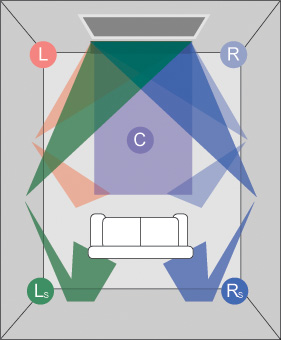
Soundbars have multiple small speakers inside one long case. These speakers point in different directions to spread sound across the room. Some soundbars include a separate subwoofer for deep bass. The arrangement of speakers helps simulate surround sound without extra wires or boxes.
Audio Processing
Soundbars use digital audio processing to enhance sound. This technology adjusts volume, tone, and balance automatically. It can create effects like virtual surround sound. Audio processing makes voices clear and music sound full. It helps match the sound to different types of content.
Wireless Connectivity
Many soundbars connect wirelessly to TVs and other devices. Bluetooth and Wi-Fi allow easy streaming from phones and tablets. This cuts down on messy cables and keeps the setup neat. Wireless connections also let you control the soundbar with a remote or app.
Soundbar Vs. Traditional Speakers
Soundbars and traditional speakers both improve your TV’s audio. They serve similar purposes but differ in design, sound, and setup. Understanding these differences helps choose the right option for your space and needs.
Space And Design
Soundbars are slim and compact. They fit easily under your TV or mount on a wall. This saves space and keeps a clean look in the room.
Traditional speakers often need more room. Floor-standing or bookshelf models take up space. They require careful placement for the best sound.
Sound Quality Comparison
Traditional speakers usually deliver richer sound. They have separate drivers for bass, midrange, and treble. This creates clear and powerful audio.
Soundbars use multiple small speakers inside one unit. Some include a subwoofer for better bass. They offer good sound but may lack depth compared to larger systems.
Setup And Installation
Soundbars are easy to set up. Connect the soundbar to your TV with one cable. Many have wireless options for subwoofers and rear speakers.
Traditional speakers need more work. You must connect several wires. Setting up surround sound requires placing speakers around the room.

Credit: www.crunchreviews.com
Enhancing Audio Experience
Soundbars improve your TV’s audio with smart technology. They make sound clearer and fuller. This helps you enjoy movies, shows, and music better. Small speakers inside work together to create a rich sound experience. Let’s explore how soundbars enhance your audio.
Surround Sound Simulation
Soundbars create a surround sound feel without many speakers. They use digital processing to spread sound around the room. This makes you feel like sounds come from different directions. You hear action and effects more clearly. It brings movies and games to life.
Bass Enhancement
Soundbars add deep bass that regular TV speakers lack. Special drivers and subwoofers boost low sounds. Bass makes music and explosions sound stronger. It adds power and depth to your audio. You hear every beat and rumble with more force.
Voice Clarity Features
Soundbars improve dialogue so voices are easy to hear. They reduce background noise and raise speech volume. This helps when characters speak softly or in noisy scenes. Clear voices make watching shows and news more enjoyable. You never miss important words again.
Choosing The Right Soundbar
Choosing the right soundbar can improve your audio experience a lot. A good soundbar fits well with your room and devices. It also matches your budget. This guide helps you pick the best soundbar for your needs.
Matching Room Size
Room size affects sound quality a lot. Small rooms work well with compact soundbars. Large rooms need bigger soundbars or extra speakers. Think about how much space you have. Pick a soundbar that fills your room with clear sound.
Compatibility With Devices
Check if the soundbar connects easily to your devices. Look for HDMI, Bluetooth, or optical inputs. Make sure it works with your TV, phone, or gaming console. Easy connections mean less hassle and better sound.
Budget Considerations
Soundbars come in many prices. Set a budget before you start. Basic models offer good sound for less money. Higher-end models have extra features and better audio. Choose what fits your budget and needs best.
Credit: www.abt.com
Frequently Asked Questions
How Do Soundbars Improve Tv Audio Quality?
Soundbars enhance TV audio by using multiple speakers in one unit. They provide clearer dialogue, better bass, and surround sound effects. This creates a more immersive and richer listening experience compared to built-in TV speakers.
What Components Make Up A Soundbar System?
A soundbar system typically includes the main speaker bar and a subwoofer. The bar contains tweeters and mid-range drivers for detailed sound. The subwoofer handles low-frequency bass, adding depth and fullness to audio playback.
Can Soundbars Simulate Surround Sound Effectively?
Yes, many soundbars use digital signal processing to simulate surround sound. They create directional audio effects that mimic speakers around the room. This enhances immersion without the need for multiple separate speakers.
Are Soundbars Compatible With All Tvs?
Most soundbars connect easily via HDMI ARC, optical, or Bluetooth. They are compatible with nearly all modern TVs. Always check the connection options to ensure your TV supports the soundbar’s input methods.
Conclusion
Soundbars improve your TV’s audio by using multiple speakers in one device. They create clear sound and add depth to movies and music. Most soundbars connect easily to your TV with simple cables or Bluetooth. They save space and look neat in any room.
Choosing the right soundbar depends on your needs and budget. Understanding how soundbars work helps you make a smart choice. Enjoy better sound without extra clutter or complex setups. Simple, effective, and easy to use—soundbars enhance your home entertainment experience.
As an Amazon Associate, I earn from qualifying purchases.
