
Are you curious about how doctors keep track of your contractions during labor? Understanding how contractions are monitored can ease your mind and help you feel more in control.
Whether this is your first time or you want to know what to expect, learning how healthcare professionals watch over your progress is important. You’ll discover the simple methods used to monitor contractions and why they matter for you and your baby’s safety.
Keep reading to get clear answers and feel confident about your labor experience.
Credit: miraclecord.com
Signs Of Contractions
Knowing the signs of contractions helps expectant mothers understand labor progress. Contractions cause changes in the body. These changes signal that the baby is ready to be born. Recognizing these signs early can reduce stress and prepare for delivery. Contractions vary in strength, length, and pattern. Monitoring them is important for safety and comfort.
Physical Sensations
Contractions feel like tightness or pressure in the belly. They may start as mild cramping. The pain can grow stronger and spread to the lower back. Some describe it as a squeezing or hardening of the uterus. The sensation comes and goes in waves. The body tenses during a contraction and relaxes afterward.
Timing And Frequency
Contractions usually begin irregularly. They happen far apart at first. Over time, the breaks between them get shorter. The length of each contraction also grows. Regular timing means contractions occur at steady intervals. For example, every five minutes and last about 30 to 60 seconds. This pattern shows labor is moving forward.
External Monitoring Techniques
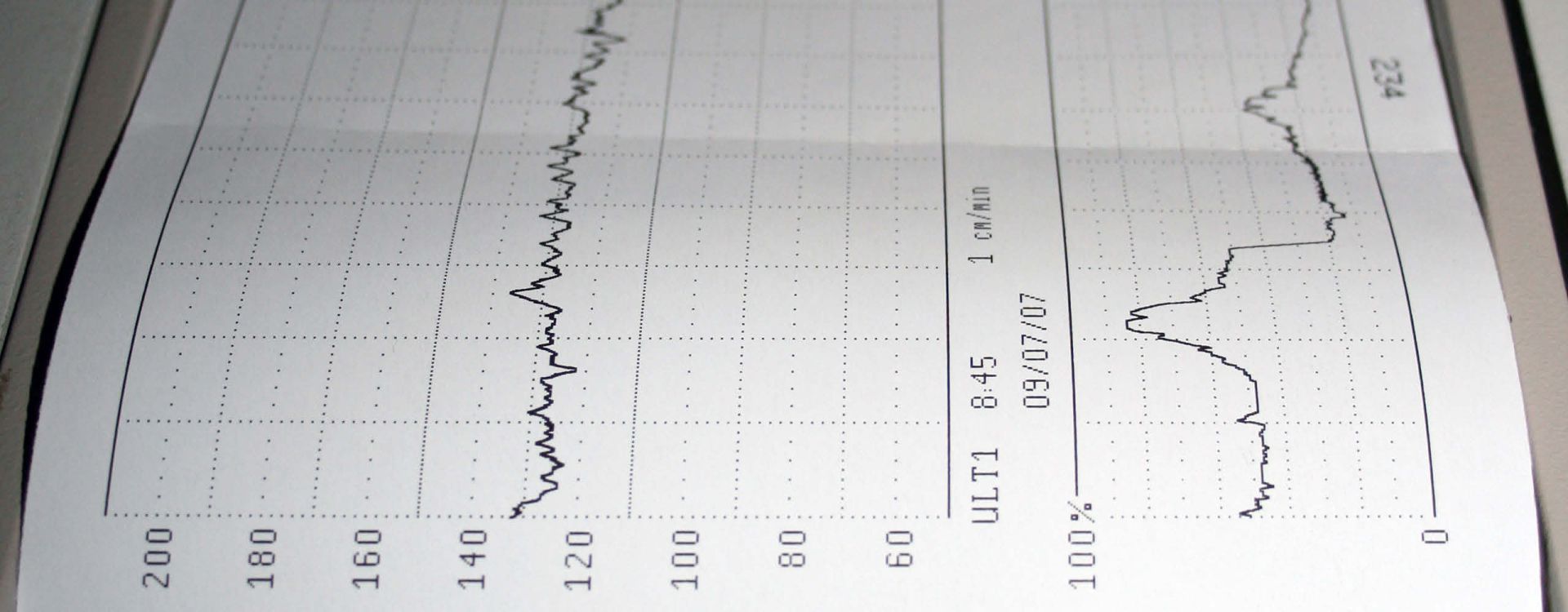
External monitoring techniques help doctors track contractions safely from outside the body. These methods are painless and provide important information about labor progress. Two main tools are used: the tocodynamometer and fetal heart rate monitors. Both work together to keep the mother and baby safe.
Tocodynamometer Use
The tocodynamometer measures the strength and frequency of contractions. It is a small device placed on the mother’s belly. The device senses the tightening of the uterus during contractions. It then sends data to a monitor that shows how strong and how often contractions happen. This helps doctors understand how labor is progressing without causing discomfort.
Fetal Heart Rate Monitoring
Fetal heart rate monitoring tracks the baby’s heartbeat during labor. A sensor is placed on the mother’s abdomen to listen to the baby’s heart. This helps doctors check if the baby is under stress during contractions. The heart rate changes can tell if the baby is getting enough oxygen. This monitoring guides doctors to act quickly if needed.
Internal Monitoring Methods
Internal monitoring methods provide a clear view of contractions during labor. These methods use devices placed inside the uterus. They give accurate information about contraction strength and baby’s heart rate.
Intrauterine Pressure Catheter
The Intrauterine Pressure Catheter (IUPC) measures contraction strength directly. A thin tube goes inside the uterus through the cervix. It records pressure changes caused by contractions. This tool helps doctors see how strong contractions are. It is more precise than external monitors.
Doctors use this method when external monitors give unclear results. The IUPC also helps check if contractions are enough to move labor forward. It gives real-time data on contraction intensity and frequency.
Electrode Placement
Electrode placement tracks the baby’s heart rate inside the womb. A small electrode attaches to the baby’s scalp. It sends signals to the monitor, showing the heart rate clearly. This method gives continuous, accurate heart rate data.
Electrodes work well during active labor. They allow doctors to watch how the baby handles contractions. This helps ensure the baby is not in distress. It also aids in making timely decisions for safe delivery.

Credit: www.wikihow.com
Technology In Contraction Monitoring
Technology has changed how doctors and mothers track contractions. It makes the process easier and more accurate. Modern tools help monitor contractions without causing discomfort. This technology supports better care during labor.
Wireless Devices
Wireless devices track contractions with sensors placed on the belly. These devices send data to a monitor or smartphone. They allow mothers to move freely during labor. Nurses and doctors can watch contraction patterns in real time. This helps them decide the right care steps quickly.
Mobile Apps And Wearables
Mobile apps help mothers record contraction times and strength. Wearables like smart bands measure contraction frequency and duration. These tools provide reminders and alerts for medical help. They also store data for later review by healthcare providers. Easy to use and available anytime, these apps support mothers at home and in hospitals.
Benefits Of Monitoring Contractions
Monitoring contractions helps doctors and nurses keep track of labor. It gives clear information about how labor is moving. This helps in making the right decisions for both mother and baby.
Knowing how strong and frequent contractions are shows how the body is preparing for birth. This knowledge can reduce stress and make the whole process safer.
Labor Progress Assessment
Monitoring contractions shows how labor is going. It tells if contractions are close together and strong enough. This helps check if the cervix is opening properly. Doctors can see if labor is slow or fast. This helps in planning what to do next. It ensures labor stays on the right track.
Safety For Mother And Baby
Keeping an eye on contractions protects mother and baby. It helps spot any problems early. For example, if contractions are too strong or too weak. This can affect the baby’s oxygen supply. Medical staff can act fast to keep both safe. Monitoring also helps avoid unnecessary stress and risks.
Challenges And Limitations
Monitoring contractions is vital during labor. It helps doctors and nurses understand how labor progresses. Yet, the process faces several challenges and limits. These can affect how well contractions are tracked and how comfortable the patient feels.
Accuracy Issues
Contraction monitors sometimes give incorrect readings. External monitors may miss weak contractions or confuse other movements for contractions. Internal monitors are usually more accurate but require breaking the water and inserting a device into the uterus. This method carries risks and cannot be used in all cases. Timing and strength of contractions may not always show clearly on the monitor.
Patient Comfort
Some monitoring methods can cause discomfort. External straps can feel tight and restrict movement. Internal monitors involve invasive procedures that may be painful or cause anxiety. Continuous monitoring can limit a patient’s ability to walk or change position. Comfort is important for a smoother labor experience but can be hard to maintain with constant monitoring.

Credit: midwestdoulas.com
Frequently Asked Questions
How Do Doctors Monitor Contractions During Labor?
Doctors use electronic fetal monitors and tocodynamometers to track contraction frequency, duration, and intensity. This helps assess labor progress and fetal well-being accurately.
What Devices Are Used To Monitor Contractions?
Common devices include external tocodynamometers and internal intrauterine pressure catheters. External monitors measure abdominal tension, while internal catheters directly measure contraction pressure.
Can Contractions Be Monitored At Home Safely?
Home contraction monitors exist but are less accurate than hospital devices. Always consult your healthcare provider before using any home monitoring tools.
Why Is Contraction Monitoring Important During Labor?
Monitoring contractions helps detect labor patterns and potential complications. It ensures timely medical interventions to promote a safe delivery for mother and baby.
Conclusion
Monitoring contractions helps doctors keep both mother and baby safe. They track timing, strength, and frequency to understand labor progress. This information guides decisions during childbirth. Different tools, like external monitors or internal sensors, provide clear data. Knowing how contractions are watched can ease worries.
It shows the care taken to ensure a smooth delivery. Staying informed helps expectant mothers feel more confident and prepared.
As an Amazon Associate, I earn from qualifying purchases.

