
As an Amazon Associate, I earn from qualifying purchases.
Have you ever wondered how trackers follow your movements or monitor your activities? Whether it’s your fitness tracker counting every step or a website tracking your visits, these tiny devices and software tools hold powerful secrets.
Understanding how trackers work can help you take control of your privacy and make smarter choices about the technology you use every day. Keep reading, and you’ll discover the simple truths behind these invisible watchers—and why they matter to you.
Basics Of Trackers
Trackers help us know the location or status of objects and people. They are small devices that send information to a receiver or an app. These devices work by collecting and sharing data in real time. Understanding how trackers work starts with knowing their basic parts and types.
Types Of Tracking Devices
There are many types of tracking devices. GPS trackers use satellites to find exact locations. Bluetooth trackers connect to nearby devices to share location data. RFID tags use radio waves to send information over short distances. Each type has different uses and works in unique ways.
Core Components Of Trackers
Most trackers have key parts that make them work. A GPS chip helps find location using satellite signals. Sensors detect movement, speed, or temperature. A battery powers the device for hours or days. A transmitter sends the data to a phone, computer, or cloud.
How Trackers Capture Data
Trackers collect data through sensors and signals. GPS trackers receive satellite signals to determine location. Motion sensors detect movement and send alerts. The device processes this data and sends it to the user. This process happens continuously or at set intervals.

Credit: www.youtube.com
Smart Tracking Technologies
Smart tracking technologies help locate objects, people, or pets quickly and accurately. They use different signals and methods to provide real-time information. These technologies have become common in daily life and many industries. Understanding how they work can help you choose the right tracker.
Gps And Beyond
GPS uses satellites to find exact locations on Earth. Devices with GPS can tell where they are by connecting to these satellites. This technology works well outdoors and in open spaces. Some trackers combine GPS with other sensors for better accuracy. This helps track movement and speed too.
Bluetooth And Rfid
Bluetooth connects devices over short distances. Trackers using Bluetooth work best within a few meters. They are common in personal items like keys or wallets. RFID uses radio waves to identify and track tags. It needs a reader nearby to detect the tag. Both technologies are low power and cost-effective.
Cellular And Wi-fi Tracking
Cellular tracking uses mobile networks to find devices. It works almost anywhere there is phone signal. Trackers send location data through these networks to apps or websites. Wi-Fi tracking uses nearby wireless networks to estimate location. It is useful indoors where GPS is weak. Both methods provide good coverage and help in urban areas.
Data Transmission Methods
Trackers send data through various methods to keep you updated on location and status. Understanding these methods helps you grasp how trackers work effectively. Data transmission ensures the right information reaches the right place at the right time. It involves sending signals, storing data, and accessing it when needed. Let’s explore the key methods used in data transmission.
Real-time Location Sharing
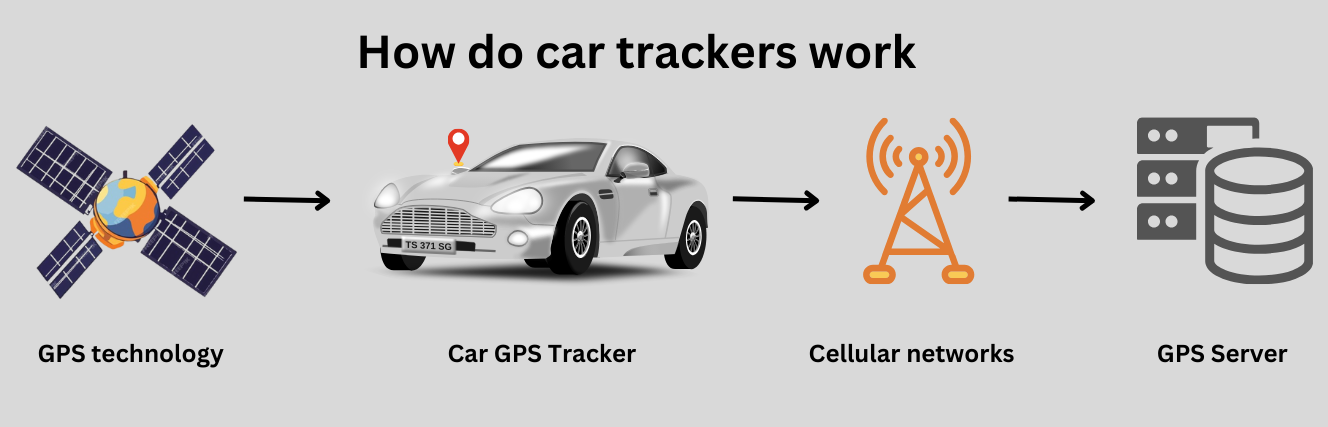
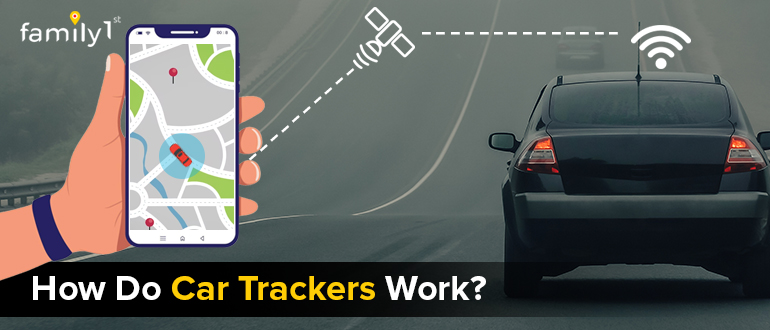
Real-time location sharing sends data instantly as the tracker moves. GPS devices collect location coordinates and send them using mobile networks. This method offers live updates on the tracked object’s position. It relies on cellular signals like 3G, 4G, or 5G. The data reaches an app or website immediately for easy tracking.
Data Storage And Retrieval
Some trackers save data locally before sending it. This happens when there is no network available. The tracker stores location and other info in its memory. Later, it uploads the stored data once it reconnects to the network. This method prevents data loss during signal interruptions. It helps keep a complete history of movements.
Cloud Integration
Cloud integration connects trackers to online servers. Data is sent from the tracker to the cloud for storage and processing. Users access this data through web portals or mobile apps. The cloud allows data to be available anytime and anywhere. It also supports advanced features like analytics and alerts.
Credit: family1st.io
Power And Battery Management
Power and battery management is a key part of how trackers work. These devices need to run for long hours without frequent charging. Efficient power use ensures trackers stay active and reliable throughout the day. Understanding battery types, energy-saving methods, and charging helps explain their performance.
Battery Types Used
Trackers often use lithium-ion or lithium-polymer batteries. These batteries are light and store a good amount of energy. Some small trackers use coin-cell batteries for compact size. Each battery type balances size, weight, and capacity differently.
Energy Efficiency Techniques
Trackers use smart software to save power. They switch to low power modes when not active. Sensors and GPS run only when needed. This reduces energy waste and extends battery life.
Charging And Battery Life
Most trackers charge via USB cables or wireless pads. Charging time varies but often takes 1 to 2 hours. Battery life depends on usage and features. With good management, trackers can last several days on a single charge.
Privacy And Security Concerns
Trackers collect and share a lot of personal information. This raises serious privacy and security concerns. Users worry about who sees their data and how it is protected. Understanding these issues helps users stay safer online.
Data Encryption
Data encryption scrambles information so others cannot read it. It protects data during transfer between devices and servers. Encryption helps keep personal details safe from hackers. Strong encryption methods reduce the risk of data theft.
User Consent And Control
Users should know what data trackers collect. Consent means users agree to share their information. Many websites ask for permission before tracking. Users can control settings to limit data sharing. This control helps protect privacy and build trust.
Potential Risks And Mitigations
Trackers can expose users to risks like identity theft. They may also lead to unwanted ads and data misuse. Using privacy tools and browser settings can reduce risks. Regular updates and cautious sharing improve security. Staying informed keeps users safer online.
Applications Of Smart Trackers
Smart trackers have many uses in daily life and business. These small devices help keep track of people, pets, items, and even health data. Their ability to provide real-time location and information makes them useful in many fields. Below are some common applications of smart trackers.
Personal And Pet Tracking
Smart trackers help find lost items or loved ones quickly. People use them to track children, elderly family members, or pets. These trackers send alerts if someone moves out of a safe zone. Pet owners attach trackers to collars to monitor their animals’ location. This reduces worry and improves safety for families and pets.
Fleet And Asset Management
Businesses use smart trackers to manage vehicles and equipment. Fleet managers track trucks to improve routes and save fuel. Companies monitor valuable assets to prevent theft or loss. Real-time data helps with scheduling and maintenance. This increases efficiency and lowers operating costs for many companies.
Health And Fitness Monitoring
Smart trackers measure heart rate, steps, and sleep patterns. Fitness enthusiasts use them to set and achieve health goals. Doctors can monitor patients remotely for better care. These devices encourage a healthier lifestyle by providing useful feedback. They are simple tools for tracking physical activity and well-being.
Future Of Tracking Technology
The future of tracking technology holds many new possibilities. It will change how we follow objects, people, and data. Advances will make tracking faster, smarter, and more accurate.
These changes will impact many fields, including logistics, health, and security. Tracking systems will become more connected and intelligent. This will create new chances and some challenges.
Emerging Innovations
New sensors and devices are being developed. They will track smaller items with better precision. Ultra-wideband and 5G technology will improve location accuracy. Wearable trackers will become lighter and last longer. These innovations will expand tracking uses in daily life.
Integration With Ai And Iot
Artificial intelligence will analyze tracking data quickly. It will predict patterns and alert users to changes. The Internet of Things will link trackers to many devices. This will allow real-time monitoring and automated responses. Combining AI and IoT will make tracking smarter and more useful.
Challenges Ahead
Privacy concerns will grow as tracking becomes common. Protecting user data will be critical. Devices need to be secure from hacking and misuse. Energy consumption of trackers must be reduced for sustainability. Balancing technology benefits with ethical use will be key.
Credit: family1st.io
Frequently Asked Questions
What Technologies Do Trackers Use To Collect Data?
Trackers use cookies, GPS, IP addresses, and device fingerprints. These technologies gather user behavior and location data for analysis and personalization.
How Do Trackers Affect User Privacy Online?
Trackers collect personal data, which can lead to privacy concerns. Users may face targeted ads and data sharing without explicit consent.
Can Trackers Be Blocked Or Disabled Effectively?
Yes, users can block trackers using browser settings, extensions, or VPNs. However, some tracking may still occur despite these measures.
Why Do Websites Use Trackers On Their Platforms?
Websites use trackers to improve user experience, analyze traffic, and deliver personalized content or ads. This helps optimize site performance and marketing strategies.
Conclusion
Trackers collect and share data to follow your actions online. They help companies learn what you like and show ads you might want. Some trackers improve website functions for a better experience. Still, they raise concerns about privacy and data safety.
Knowing how trackers work helps you make smart choices. You can control what information you share online. Staying aware keeps your data safer and your browsing clearer. Understanding trackers is key in today’s digital world.
As an Amazon Associate, I earn from qualifying purchases.
