
Have you ever wondered how vehicle trackers keep an eye on your car or fleet in real time? Imagine having the power to know exactly where your vehicle is at any moment, ensuring its safety and saving you from unexpected headaches.
Understanding how vehicle trackers work can give you peace of mind and control like never before. You’ll discover the simple technology behind these devices and how they can protect what matters most to you. Keep reading to unlock the secrets that could change the way you manage your vehicles forever.
Credit: www.teletracnavman.com
Basics Of Vehicle Tracking
Vehicle tracking helps you know where a vehicle is at any time. It uses technology to send location information. This information is clear and easy to read on a screen. It helps owners, drivers, and companies keep vehicles safe and secure.
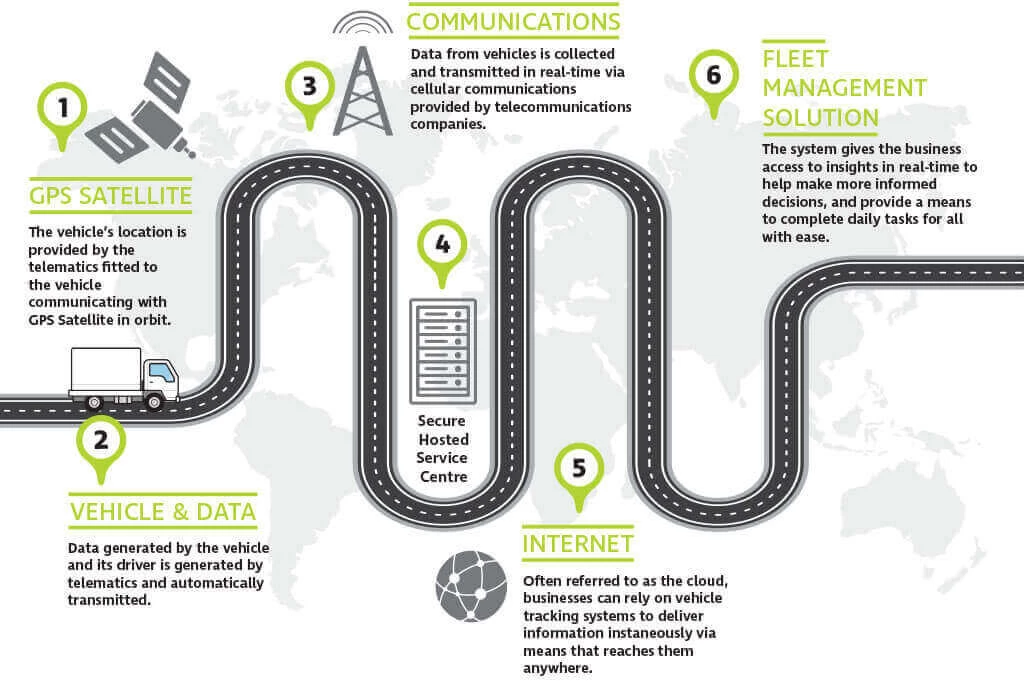
Understanding the basics of vehicle tracking shows how it works. It involves a few key parts working together. These parts collect, send, and display the location data.
What Is Gps Tracking
GPS stands for Global Positioning System. It uses satellites to find the exact location of a device. The device sends signals to at least four satellites. These satellites send back data to calculate the position. This process works anywhere on Earth.
GPS tracking in vehicles uses this system. A small GPS receiver inside the vehicle gets signals. It finds the vehicle’s location using satellite data. This location is then sent to a central system.
Key Components Of Vehicle Trackers
Vehicle trackers have several important parts. First, the GPS receiver finds the vehicle’s location. Then, the communication module sends this data to the server. It uses mobile networks like GSM or 4G.
Next, the server stores and processes the data. It shows the location on maps for easy viewing. Finally, the user accesses this information through a web or mobile app. This setup gives real-time updates on vehicle movement.
How Gps Signals Are Used
Vehicle trackers rely heavily on GPS signals to find the exact location of a vehicle. These signals come from a network of satellites orbiting the Earth. The system works by sending and receiving information between the vehicle and these satellites. This technology allows real-time tracking and helps improve vehicle safety and management.
Satellite Communication
GPS satellites continuously send signals to the Earth. Each satellite broadcasts its position and the exact time. The vehicle’s GPS device receives these signals. It needs data from at least four satellites to work correctly. The device measures how long the signals take to reach it. This timing helps calculate the distance between the vehicle and each satellite. The process happens very fast, allowing constant updates.
Triangulation Process
The GPS device uses triangulation to find the vehicle’s location. It calculates distances from multiple satellites. These distances form spheres around each satellite. The point where all spheres intersect is the vehicle’s position. This method provides accurate latitude, longitude, and altitude. The GPS device then sends this location data to a tracking server. This allows users to see the vehicle’s position on a map in real-time.
Data Transmission Methods
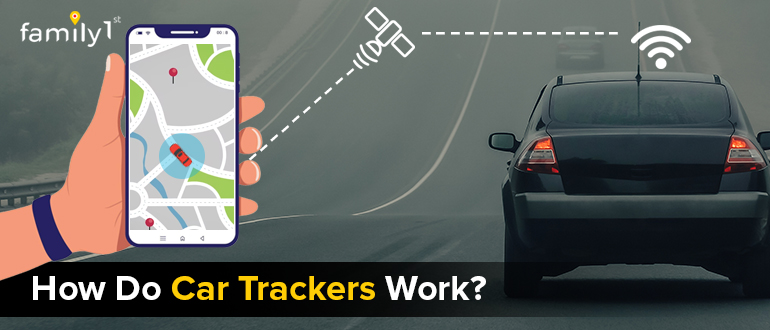
Vehicle trackers send location and other data to users through different methods. These data transmission methods ensure the tracker stays connected and provides real-time updates. The choice of method affects accuracy, coverage, and cost. Two main transmission methods are cellular networks and satellite networks.
Cellular Networks
Cellular networks are the most common way vehicle trackers send data. They use mobile phone towers to transmit signals. Trackers connect to these towers like a smartphone does. This method works well in cities and towns with strong coverage. It allows fast and frequent updates on the vehicle’s location. Data costs are usually low because cellular networks are widespread. But in remote areas, signals can be weak or lost.
Satellite Networks
Satellite networks send data directly to orbiting satellites above the Earth. This method works anywhere, even in remote or rural places. It is very reliable for tracking vehicles in areas without cellular coverage. Satellite trackers use special antennas to send signals to satellites. The satellites then relay the data to ground stations and users. This method can be more expensive and update speed is slower. Still, it ensures constant connection regardless of location.
Credit: family1st.io
Real-time Tracking Features
Real-time tracking features make vehicle trackers highly effective. They provide instant information about a vehicle’s position and movement. This data helps users monitor vehicles closely and respond quickly. These features improve safety, efficiency, and management of vehicles. Understanding key real-time tracking features reveals how trackers deliver precise and timely updates.
Live Location Updates
Live location updates show the exact position of a vehicle on a map. The tracker uses GPS signals to find the vehicle’s coordinates. It sends this data to a central system almost immediately. Users can see where the vehicle is at any moment. This feature helps in route planning and avoiding delays. It also increases security by reducing the risk of theft or loss.
Speed And Route Monitoring
Speed monitoring tracks how fast a vehicle is moving. The system alerts users if the vehicle exceeds speed limits. This helps maintain safe driving habits and avoid fines. Route monitoring records the path the vehicle follows. Users can check if the vehicle stays on the planned route. This feature ensures better control over vehicle usage and fuel efficiency.
Advanced Functionalities
Vehicle trackers do more than just show location. They include smart tools that improve safety and control. These advanced functions help businesses and drivers stay informed and secure. The system can send alerts and analyze driving habits. These features make vehicle tracking useful and practical.
Geofencing Alerts
Geofencing creates a virtual boundary on a map. When a vehicle enters or leaves this area, the system sends an alert. This helps monitor routes and prevent theft. Managers get notified instantly if a vehicle moves outside set zones. It also helps in managing delivery times and routes better. Geofencing alerts improve vehicle security and control.
Driver Behavior Analysis
Vehicle trackers collect data on how a driver behaves. They track speed, braking, and acceleration patterns. This data helps identify risky driving habits. Fleet managers can use this information to coach drivers. Safe driving reduces accidents and lowers fuel costs. Driver behavior analysis supports safer roads and better vehicle care.

Credit: www.carlock.co
Benefits Of Vehicle Tracking
Vehicle tracking offers many benefits for businesses and individuals. It helps keep vehicles safe and improves how fleets are managed. Using real-time data, vehicle tracking makes operations smoother and more secure. The technology supports better decision-making and reduces costs. Here are key benefits of vehicle tracking.
Fleet Management Efficiency
Vehicle tracking improves fleet management by providing instant updates on vehicle locations. Managers can plan routes more effectively and reduce fuel use. It helps monitor driver behavior, encouraging safer driving habits. Tracking data allows quick response to delays or issues. This leads to timely deliveries and better customer service. Overall, it cuts operational costs and boosts productivity.
Theft Prevention And Recovery
Vehicle trackers help prevent theft by alerting owners if a vehicle moves unexpectedly. Tracking systems make it easier to find stolen vehicles quickly. Police can use the location data to recover vehicles faster. This reduces losses and insurance claims. Vehicle tracking also acts as a deterrent to thieves. It gives vehicle owners peace of mind knowing their assets are protected.
Challenges And Limitations
Vehicle trackers offer many benefits but face some challenges. These can affect their accuracy and user trust. Understanding these limits helps users set the right expectations.
Signal Interference
Trackers rely on GPS signals to find a vehicle’s location. Tall buildings, tunnels, and dense forests can block these signals. This makes the tracker lose connection or give wrong positions. Weather conditions like heavy rain also weaken signals. Signal interference lowers tracking accuracy and reliability.
Privacy Concerns
Vehicle tracking collects location data continuously. This raises privacy issues for drivers and owners. Data misuse or leaks can expose personal information. Some users worry about constant monitoring by employers or authorities. Clear rules and secure data storage are needed to protect privacy.
Future Trends In Vehicle Tracking
Vehicle tracking technology is evolving fast. New trends promise smarter and more useful systems. These trends will change how businesses and individuals use trackers. They will offer better data and improved control over vehicles.
Integration With Iot
Vehicle trackers are joining the Internet of Things (IoT). This means they connect with other smart devices. Trackers can share data with traffic lights and road sensors. This helps improve route planning and reduce delays. IoT integration makes tracking systems more responsive and efficient. It also allows real-time updates for drivers and fleet managers.
Ai And Predictive Analytics
Artificial intelligence (AI) is becoming part of vehicle tracking. AI analyzes data to predict vehicle behavior and problems. It can warn about maintenance needs before breakdowns happen. Predictive analytics help avoid accidents by spotting risky driving patterns. These tools improve safety and reduce costs. AI makes tracking smarter, not just a location tool.
Frequently Asked Questions
What Technology Do Vehicle Trackers Use?
Vehicle trackers use GPS and GSM technology to locate and transmit a vehicle’s position in real time. GPS provides accurate location data, while GSM networks send this data to monitoring platforms for tracking and analysis.
How Accurate Are Vehicle Tracking Systems?
Most vehicle trackers offer location accuracy within 5 to 10 meters. Accuracy depends on GPS signal strength and device quality, ensuring reliable real-time tracking for vehicle management and security.
Can Vehicle Trackers Work Without Gps Signals?
Vehicle trackers primarily rely on GPS, but some use cellular triangulation as a backup. However, GPS is essential for precise location data, and tracking may be less accurate or unavailable without it.
How Do Vehicle Trackers Improve Fleet Management?
Vehicle trackers provide real-time location, speed, and route data, helping managers optimize routes, reduce fuel costs, and enhance driver safety. This data improves operational efficiency and accountability.
Conclusion
Vehicle trackers use GPS and mobile networks to find your car’s location. They send real-time updates to your phone or computer. This helps you keep your vehicle safe and know where it is anytime. Many trackers also offer alerts if your vehicle moves unexpectedly.
They are easy to install and use. Understanding how they work helps you choose the right one. Tracking technology keeps your vehicle secure and gives peace of mind. Simple, smart, and effective—vehicle trackers make a difference.
As an Amazon Associate, I earn from qualifying purchases.
