
Are you looking to understand how much profit each product you sell really brings in? Knowing your contribution margin per unit can unlock that insight.
It’s a simple calculation that reveals how much money from each sale is available to cover your fixed costs and boost your profits. Imagine having a clear number that helps you make smarter pricing, production, and sales decisions. You’ll learn exactly how to calculate your contribution margin per unit and why it matters for your business success.
Keep reading, and you’ll gain a powerful tool to improve your bottom line.
What Is Contribution Margin
Contribution margin is a key business term. It shows how much money from sales is left after covering variable costs. This leftover money helps pay fixed costs and profit.
Understanding contribution margin helps businesses know if their products make money. It also guides pricing and cost control decisions. The concept is simple but powerful for business planning.
Definition Of Contribution Margin
Contribution margin is sales revenue minus variable costs. Variable costs change with the number of units sold. Examples include raw materials and direct labor.
It shows how much money is available to cover fixed costs. Fixed costs stay the same no matter how many products sell. Once fixed costs are covered, remaining money is profit.
Contribution Margin In Simple Terms
Think of it as the money left after paying costs that change with sales. This money helps pay other expenses and builds profit. It is crucial for understanding business health.

Credit: www.careerprinciples.com
Why Contribution Margin Matters
Understanding why contribution margin matters helps businesses make smart choices. It shows how much money is left after covering variable costs. This leftover amount contributes to fixed costs and profit. Knowing this helps managers decide which products to focus on.
Contribution margin also helps set prices. It shows the minimum price needed to cover variable costs. Pricing above this point means making some profit. Pricing below causes a loss on each unit sold.
Helps Identify Profitable Products
Contribution margin reveals which products earn more money. Products with higher margins bring more profit per sale. Businesses can prioritize these products for better results. It guides resource allocation towards the most profitable items.
Supports Break-even Analysis
Break-even analysis shows how many units to sell to cover costs. Contribution margin per unit is key in this calculation. It helps find the exact sales volume needed to avoid losses. This knowledge aids in setting realistic sales targets.
Improves Cost Control
Tracking contribution margin highlights variable cost issues. Rising costs lower the contribution margin. Monitoring it helps spot problems quickly. Businesses can act to reduce costs and maintain profits.
Aids In Decision Making
Managers use contribution margin to compare product lines. It helps decide whether to add or drop products. Also guides choices about discounts and promotions. Decisions based on contribution margin lead to better financial health.
Key Components Needed
To calculate contribution margin per unit, you need to know two key components. These parts help you understand how much profit each product makes after covering its variable costs. Knowing these numbers guides better business decisions.
Selling Price Per Unit
The selling price per unit is the amount you charge customers for one product. This price should be clear and consistent. It represents the total money you receive from selling a single unit.
Variable Costs Per Unit
Variable costs per unit include all expenses that change with each product made or sold. Examples are materials, labor, and packaging. These costs directly reduce the money you keep from each sale.
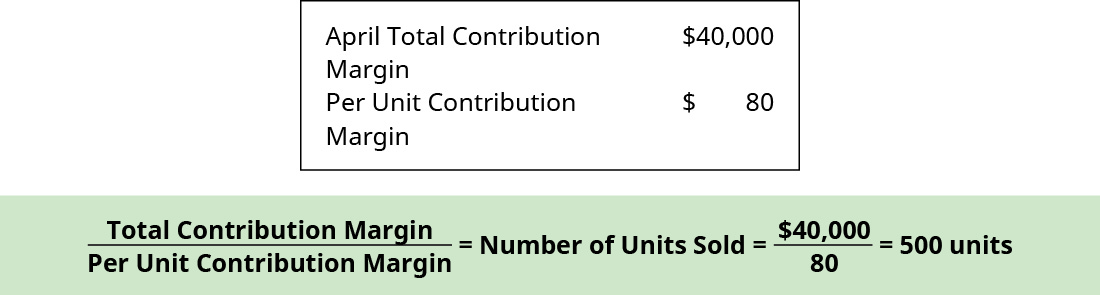
Credit: biz.libretexts.org
Simple Formula For Contribution Margin Per Unit
Contribution margin per unit shows how much money from each product sale covers fixed costs. Calculate it by subtracting variable cost per unit from the selling price. This simple formula helps understand profit from each item sold.
The contribution margin per unit shows how much money is left after covering variable costs. This amount helps pay for fixed costs and profit. Calculating it is easy with a simple formula.
Knowing the contribution margin per unit helps in pricing and cost control. It also aids in deciding which products to focus on. The formula uses just two numbers from your financial data.
Formula Breakdown
The formula is straightforward:
Contribution Margin Per Unit = Selling Price Per Unit – Variable Cost Per Unit
This means subtracting the cost directly tied to making one product from its selling price. The result shows how much money each product adds to cover other expenses.
Understanding Selling Price Per Unit
Selling price per unit is the amount a customer pays for one product. It must be clear and consistent for accurate calculation. This price should include any discounts or special offers.
Understanding Variable Cost Per Unit
Variable cost per unit includes all costs that change with production volume. Examples are materials, labor, and packaging. Fixed costs like rent or salaries are not included here.
Step-by-step Calculation Process
Calculating contribution margin per unit helps you understand how much profit each product makes after covering variable costs. This calculation is useful for pricing, budgeting, and decision-making. Follow these simple steps to find the contribution margin per unit clearly and easily.
Identify Selling Price
The selling price is the amount customers pay for one unit of your product. Check your sales records or price list to find this number. It should reflect the price before any discounts or taxes.
Determine Variable Costs
Variable costs change with each unit produced or sold. Examples include materials, labor, and packaging. Add all these costs for one unit to get the total variable cost per unit.
Subtract Variable Costs From Selling Price
Take the selling price and subtract the variable cost per unit. The result is the contribution margin per unit. This number shows how much money is left to cover fixed costs and profit.
Common Mistakes To Avoid
Calculating contribution margin per unit is simple, but mistakes can cause big problems. Avoiding common errors helps ensure your numbers are right. This section highlights frequent mistakes and ways to avoid them.
Incorrectly Including Fixed Costs
Contribution margin only includes variable costs, not fixed costs. Adding fixed costs lowers the margin and gives a false result. Focus on costs that change with production. Fixed costs do not belong in this calculation.
Mixing Total And Per Unit Values
Mixing total contribution margin with per unit values confuses results. Always use per unit sales and variable cost numbers. This keeps the calculation clear and accurate. Consistency in units matters.
Ignoring Variable Cost Changes
Variable costs can change with volume or time. Using outdated or average costs leads to errors. Update variable cost data regularly. This keeps the contribution margin reliable for decisions.
Forgetting To Subtract Discounts Or Returns
Sales discounts and returns reduce the actual selling price. Not subtracting them inflates revenue numbers. Use net sales price after discounts and returns. This shows the true margin per unit.
Using Wrong Sales Price
Using list price instead of actual selling price misleads the margin. Always use the price customers actually pay. This reflects real contribution margin per unit. Accuracy in sales price is crucial.
Using Contribution Margin To Make Decisions
Contribution margin per unit is a key number for business decisions. It shows how much money each product makes after paying variable costs. This margin helps businesses understand profits better. Using this margin, companies can choose better prices, control costs, and plan profits effectively.
Pricing Strategies
Contribution margin guides setting product prices. Higher contribution margin means more profit per item. Businesses can lower prices to attract customers if the margin stays positive. It also helps decide which products deserve price increases. Pricing based on contribution margin keeps the business profitable.
Cost Control
Knowing contribution margin helps control costs. If margins shrink, costs may be too high. Variable costs affect the margin directly. Companies can find ways to reduce these costs. Lowering costs raises the contribution margin. This leads to better overall profit.
Profit Planning
Contribution margin helps plan profits clearly. It shows how many units must sell to cover fixed costs. After covering fixed costs, sales bring profit. Businesses use contribution margin to set sales goals. This planning helps avoid losses and reach profit targets.
Examples To Illustrate Calculation
Understanding how to calculate contribution margin per unit is easier with clear examples. These examples show step-by-step methods. They help explain the concept simply. You can see how different costs affect the margin. Let’s explore two examples: one basic and one more complex.
Basic Example
Imagine a company sells a product for $50. The variable cost per unit is $30. To find the contribution margin per unit, subtract the variable cost from the selling price.
Contribution Margin = Selling Price – Variable Cost
Contribution Margin = $50 – $30 = $20
This means each unit sold contributes $20 to cover fixed costs and profit.
Complex Scenario
Now, consider a business with multiple variable costs. For example, selling price is $80. Variable costs include materials $25, labor $15, and shipping $5.
First, add the variable costs: $25 + $15 + $5 = $45.
Then, subtract total variable costs from the selling price:
Contribution Margin = $80 – $45 = $35
Each unit adds $35 toward fixed costs and profit. This example shows how to handle several variable costs together.

Credit: www.wallstreetmojo.com
Frequently Asked Questions
What Is Contribution Margin Per Unit?
Contribution margin per unit is the selling price minus variable cost per unit. It shows profit from each product before fixed costs.
How Do You Calculate Contribution Margin Per Unit?
Subtract variable cost per unit from selling price per unit. The formula is: Contribution Margin = Selling Price – Variable Cost.
Why Is Contribution Margin Important For Businesses?
It helps determine product profitability and guides pricing and production decisions. It also aids in break-even analysis.
Can Contribution Margin Per Unit Vary By Product?
Yes, different products have different costs and prices. Contribution margin per unit varies accordingly, impacting profit strategies.
Conclusion
Calculating contribution margin per unit helps measure product profitability. It shows how much money each unit earns after variable costs. This figure guides decisions on pricing and production. Knowing it helps businesses focus on products that bring more profit. Use the formula: sales price minus variable cost per unit.
Keep the calculation simple and consistent. This way, you can easily track changes over time. Understanding contribution margin supports smarter financial planning and better business growth. Keep practicing the steps until they feel natural.
As an Amazon Associate, I earn from qualifying purchases.
