
Are you trying to figure out how to calculate GPM and feeling a bit lost? Knowing how to find Gallons Per Minute (GPM) is easier than you think, and it can make a big difference in your projects—whether you’re working with plumbing, irrigation, or any system involving water flow.
You’ll get clear, step-by-step instructions that anyone can follow. By the end, you’ll have the confidence to measure GPM accurately and make smarter decisions for your work or home. Keep reading, and you’ll never struggle with GPM calculations again.
Credit: geoforminternational.com
Basics Of Gpm
Understanding the basics of GPM is essential for many tasks involving fluid flow. GPM stands for gallons per minute. It measures how much liquid moves through a system in one minute. Knowing this helps in plumbing, irrigation, and many other fields.
This section breaks down what GPM means and why it matters. It will help you grasp the concept quickly and clearly.
What Is Gpm
GPM means gallons per minute. It shows the flow rate of liquid. For example, if 10 gallons flow in one minute, the GPM is 10. This measure helps compare different water flows easily. It is a simple way to understand how fast water moves.
Why Gpm Matters
GPM matters because it affects system performance. Too low GPM means slow water flow. Too high GPM might cause damage or waste. Knowing GPM helps choose the right pumps and pipes. It also ensures systems work efficiently and safely.
Tools For Measuring Flow
Measuring flow accurately is key to calculating gallons per minute (GPM). Various tools help capture flow data easily and reliably. These tools suit different needs and budgets. Some tools offer digital precision, while others use simple manual methods.
Choosing the right tool depends on the situation. Understanding common tools helps decide what fits best for your flow measurement task.
Common Flow Meters
Flow meters are devices designed to measure the flow rate of liquids or gases. They come in many types like turbine, magnetic, and ultrasonic meters. Turbine meters use a spinning rotor to count flow volume. Magnetic meters detect flow by measuring voltage changes in conductive fluids. Ultrasonic meters send sound waves and measure the travel time to find flow speed.
These meters provide quick and accurate readings. They often display flow rates digitally for easy reading. Professionals use flow meters in plumbing, irrigation, and industrial processes. They need minimal setup and work well for continuous monitoring.
Using A Stopwatch And Container
This method is simple and requires only basic tools: a container and a stopwatch. First, measure the container’s volume in gallons. Then, fill the container with the flowing liquid while timing how long it takes to fill.
Calculate flow rate by dividing the container volume by the fill time. For example, if a 5-gallon container fills in 2 minutes, the flow is 2.5 GPM. This method is useful for quick checks and when no flow meters are available.
It works best with steady flow and accessible outlets. Accuracy depends on precise timing and container measurement. This approach keeps flow measurement easy and affordable for many users.
Step-by-step Gpm Calculation
Calculating gallons per minute (GPM) is easy when you follow clear steps. GPM tells how much liquid flows through a pipe each minute. You only need simple tools and a timer. Let’s break down the process into three simple parts.
Measuring Volume
First, find a container with volume marks. Use one that shows gallons or liters. If it uses liters, convert to gallons later. Pour the liquid into the container. Note how much liquid you collect.
Timing The Flow
Next, use a stopwatch or timer. Start timing when the liquid begins to flow. Stop timing when the container is full. Record the number of seconds it took.
Performing The Calculation
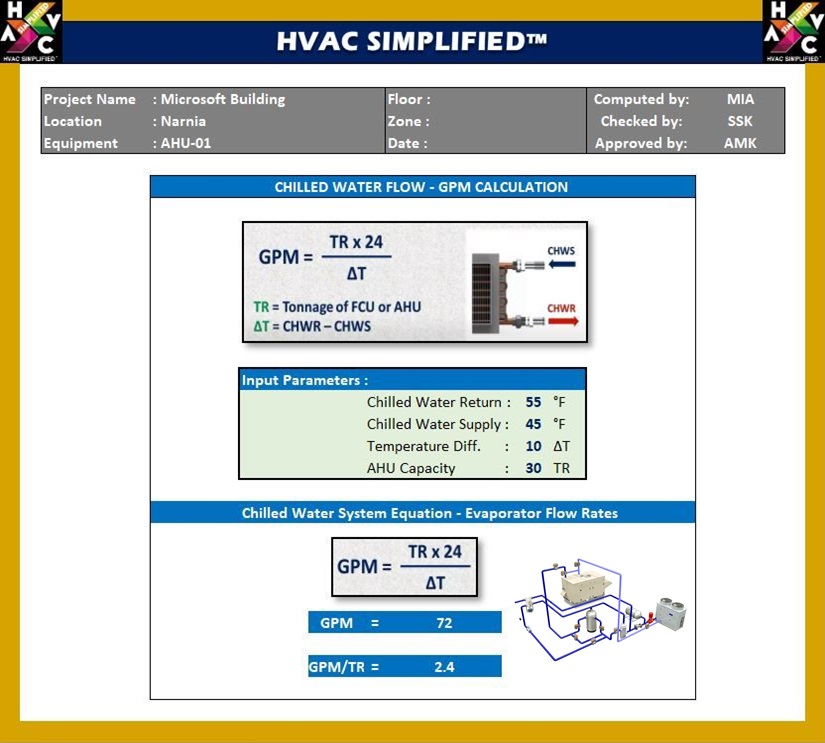
Now, divide the volume by the time in minutes. For example, if you collected 2 gallons in 30 seconds, convert seconds to minutes.
30 seconds = 0.5 minutes.
Then, GPM = 2 gallons ÷ 0.5 minutes = 4 GPM.
This result shows the flow rate clearly. Repeat the process to check accuracy.
Credit: hvacsimplified.in
Factors Affecting Accuracy
Calculating gallons per minute (GPM) involves more than just measuring flow. Several factors can affect how accurate your results are. Understanding these factors helps you get better readings and avoid mistakes. Accuracy is key for tasks like irrigation, plumbing, and industrial processes.
Flow Variability
Flow does not always stay steady. Changes in pressure or pipe size cause the flow rate to go up or down. These changes affect the GPM calculation. Measuring during unstable flow gives incorrect values. Consistent flow is important for reliable results.
Measurement Errors
Errors in tools or methods reduce accuracy. Using an incorrect flow meter or reading it wrong creates mistakes. Calibration issues can also cause false readings. Double-checking instruments and following instructions improves precision.
Environmental Influences
Temperature and humidity impact flow measurements. Hot water flows differently than cold water. Dust, dirt, or debris in pipes block flow and change readings. Environmental conditions should be stable for best accuracy.
Improving Measurement Precision
Improving measurement precision is key to accurate GPM calculation. Small errors can cause big differences in results. Careful steps help get reliable flow rate data. This section explores ways to enhance precision in your measurements.
Calibration Techniques
Calibration ensures your measuring tools show correct values. Use a known volume of water to check flow meters. Compare the meter reading with actual volume. Adjust the device until both match closely. Regular calibration keeps devices accurate over time. It reduces errors caused by wear or drift.
Consistent Measurement Practices
Measure under the same conditions each time. Keep water pressure steady and avoid sudden changes. Use the same container or flow meter for all readings. Record measurements at the same time intervals. Consistency reduces random errors and variations. It helps you trust the GPM values you get.
Applications Of Gpm Calculation
Calculating gallons per minute (GPM) is important in many areas. It helps measure how much water flows in different systems. Knowing GPM lets you control water use better. This saves water and cuts costs. It also protects pipes and machines from damage. GPM plays a key role in homes, factories, and farms.
Residential Water Use
GPM measures water flow in homes. It checks how fast water comes from taps and showers. This helps find leaks or blockages. GPM guides choices for water-saving devices. It ensures enough water for daily tasks like cooking and cleaning.
Industrial Processes
Factories use GPM to control water in machines. It keeps equipment working well and prevents overheating. GPM helps plan water supply for large operations. It also monitors wastewater to meet safety rules. Accurate GPM saves money and resources in industry.
Irrigation Systems
Farmers use GPM to water crops correctly. It controls how much water flows through pipes and sprinklers. Proper GPM ensures plants get enough water without waste. It helps design irrigation systems that work efficiently. GPM measurement supports healthy crops and soil.

Credit: datapel.com
Frequently Asked Questions
What Is Gpm In Fluid Measurement?
GPM stands for gallons per minute. It measures the flow rate of liquids, showing how many gallons pass a point each minute. GPM helps assess pump and pipe performance in plumbing and irrigation systems.
How Do You Calculate Gpm From Flow Rate?
To calculate GPM, divide the volume of liquid in gallons by the time in minutes. Use the formula: GPM = gallons ÷ minutes. This gives a simple and accurate flow rate measurement.
Why Is Calculating Gpm Important?
Calculating GPM ensures efficient system design and operation. It helps select the right pump size and avoid overloading pipes. Accurate GPM improves water usage and energy efficiency.
Can Gpm Be Measured Without Special Tools?
Yes, GPM can be estimated by timing how long it takes to fill a container. Measure the container volume in gallons and divide by filling time in minutes. This method provides a quick flow rate estimate.
Conclusion
Calculating GPM helps you measure water flow easily. Use the right formula and tools for accuracy. Keep units consistent to avoid mistakes. Knowing GPM supports better water management and planning. Practice the steps often to gain confidence. This simple skill can save time and effort.
Understanding flow rates matters in many daily tasks. Keep learning and applying these tips regularly.
As an Amazon Associate, I earn from qualifying purchases.
