
Are you curious about how scientists measure the energy plants produce in an ecosystem? Understanding how to calculate Net Primary Productivity (NPP) can unlock important insights into the health of our environment and how energy flows through nature.
You’ll discover simple steps to calculate NPP, why it matters to you, and how this knowledge can deepen your connection with the natural world. Keep reading, and you’ll soon see how easy it is to grasp this key concept that shapes life on Earth.

Credit: www.geeksforgeeks.org
Net Primary Productivity Basics
Net Primary Productivity, or NPP, is a key concept in ecology. It measures the amount of organic material plants produce in an area. This value shows how much energy is available for animals and other organisms. Understanding NPP helps us study how ecosystems function and grow.
Calculating NPP involves simple but important steps. It starts with measuring the total energy plants capture through photosynthesis. Then, the energy plants use for their own growth and maintenance is subtracted. The remaining energy forms the net productivity, which supports all other life.
What Is Net Primary Productivity
Net Primary Productivity is the rate plants make new organic matter. It is the energy left after plants use some for respiration. This leftover energy is stored in plant tissues. It feeds herbivores and decomposers in the ecosystem. NPP is usually expressed in units like grams per square meter per year.
NPP varies by location, climate, and plant type. Tropical forests have high NPP due to warm temperatures and rain. Deserts have low NPP because of limited water. Measuring NPP helps track ecosystem health and productivity.
Importance In Ecosystems
NPP is the base of the food chain. It determines how much energy is available for animals. High NPP means more food and better survival for herbivores. This supports larger populations of predators and decomposers.
It also affects carbon cycling in the environment. Plants absorb carbon dioxide during photosynthesis. The carbon stored in plant biomass reduces greenhouse gases. Understanding NPP helps manage forests and farmland sustainably.
Credit: www.youtube.com
Key Components Needed
Calculating Net Primary Productivity (NPP) requires understanding its key components. These components help measure how much energy plants produce and use. Knowing them is essential to grasp how ecosystems grow and sustain life.
Gross Primary Productivity
Gross Primary Productivity (GPP) is the total energy captured by plants through photosynthesis. It shows how much carbon dioxide plants convert into organic matter. GPP represents the full energy input before any energy loss.
Respiration Rate
Respiration Rate is the energy plants use to live and grow. Plants consume some of the energy from GPP for maintenance and repair. This energy use lowers the total energy available for growth.
Simple Calculation Steps
Calculating Net Primary Productivity (NPP) can be simple with the right steps. It shows how much energy plants produce and keep for growth. NPP is important for understanding ecosystems and how they support life.
Follow clear steps to measure and calculate NPP accurately. Each step builds on the last. This makes the process easy and reliable.
Measuring Gross Primary Productivity
Gross Primary Productivity (GPP) is the total energy plants create through photosynthesis. Scientists measure GPP by tracking oxygen production or carbon dioxide use. This shows how much energy plants capture from sunlight.
Field instruments and lab tests help gather this data. It gives a clear picture of plant energy production.
Estimating Respiration
Plants use some energy for their own life processes. This is called respiration. It reduces the energy available for growth. Scientists estimate respiration by measuring carbon dioxide released by plants.
Respiration data helps find out how much energy plants consume. This step is key to calculating the net energy plants store.
Applying The Formula
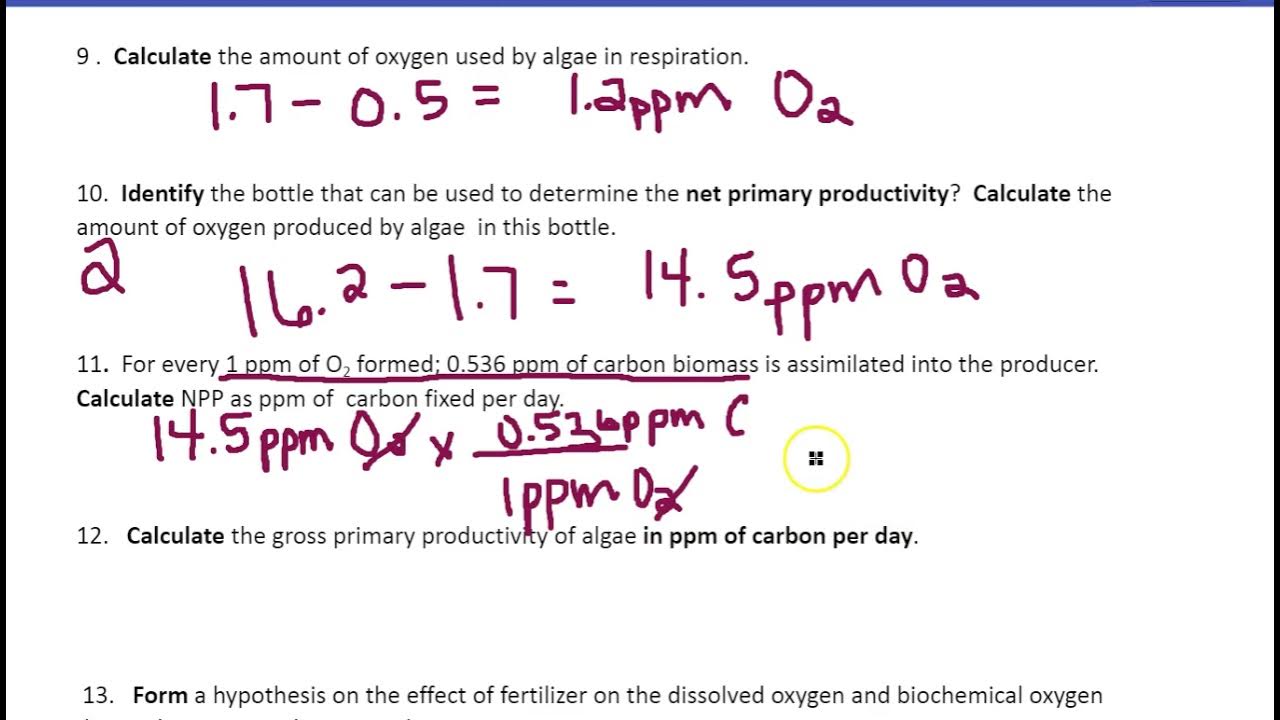
Net Primary Productivity equals Gross Primary Productivity minus Respiration. Write it as: NPP = GPP – R. This formula shows the energy plants save for growth.
Use the measured GPP and estimated respiration values. Subtract respiration from GPP to get NPP. This simple math gives a clear result.
Common Measurement Methods
Measuring net primary productivity (NPP) helps understand how much energy plants produce. Scientists use different methods to measure NPP in various ecosystems. These methods range from direct collection to advanced technology. Each has strengths and fits specific environments or research goals.
Biomass Sampling
Biomass sampling involves collecting plant material to measure growth. Scientists harvest plants in a defined area and weigh them. They compare weights over time to estimate new growth. This method works well in forests and grasslands. It gives a clear picture of plant production. It can be time-consuming and requires fieldwork.
Gas Exchange Techniques
This method measures the exchange of gases like carbon dioxide. Plants absorb CO2 during photosynthesis and release oxygen. Scientists use special devices to track gas flow in leaves or whole plants. This data helps calculate how much carbon plants fix. It is precise and useful for small-scale studies. It requires technical equipment and controlled conditions.
Remote Sensing
Remote sensing uses satellites or drones to gather data from afar. Sensors detect light reflected by plants to estimate productivity. This method covers large areas quickly and often. It is useful for monitoring forests, farms, and oceans. Remote sensing can track changes over time easily. It needs calibration with ground data for accuracy.
Factors Affecting Accuracy
Calculating net primary productivity (NPP) can be tricky. Several factors affect how accurate the results are. Knowing these factors helps scientists get better data and understand ecosystems more clearly.
Environmental Variability
Weather changes impact plant growth and photosynthesis rates. Sunlight, temperature, and rainfall all vary daily and seasonally. These shifts cause fluctuations in productivity. Soil quality and nutrient availability also influence plant health. Ignoring these can lead to wrong productivity estimates.
Measurement Timing
Timing matters a lot when measuring NPP. Plants grow at different rates throughout the year. Measuring during a dry or cold season shows lower productivity. Sampling at the right time captures true growth levels. Repeated measurements over time improve accuracy.
Species Differences
Not all plants produce energy at the same rate. Some grow quickly, others slowly. Different species use sunlight and nutrients differently. Mixing species data without separation may cause errors. Identifying species helps refine productivity calculations.

Credit: www.tes.com
Practical Applications
Net Primary Productivity (NPP) measures the energy plants produce through photosynthesis. This energy supports all life forms in an ecosystem. Understanding NPP helps in many real-world areas. It shows how well ecosystems function and how much life they can support. Here are some practical uses of calculating NPP.
Ecosystem Health Monitoring
Scientists use NPP to check ecosystem health. High NPP means plants grow well and the ecosystem is strong. Low NPP can signal problems like pollution or drought. Tracking NPP over time helps detect changes in ecosystems early. This allows for faster actions to protect nature.
Agriculture And Forestry
Farmers and foresters use NPP data to improve yields. Knowing NPP helps decide the best crops and trees to grow. It guides water and fertilizer use to boost plant growth. This makes farming and forestry more efficient and sustainable.
Climate Change Studies
NPP is key to understanding climate change effects. Plants absorb carbon dioxide, helping reduce greenhouse gases. Changes in NPP show how ecosystems react to warming or drought. Scientists use this information to predict future climate impacts. It also supports planning to reduce environmental damage.
Frequently Asked Questions
What Is Net Primary Productivity (npp)?
Net Primary Productivity (NPP) is the rate at which plants produce useful energy. It measures the energy stored in plant biomass after respiration losses. NPP reflects the energy available to herbivores and decomposers in an ecosystem. It is a key indicator of ecosystem health and carbon cycling.
How Do You Calculate Net Primary Productivity?
NPP is calculated by subtracting plant respiration from Gross Primary Productivity (GPP). The formula is NPP = GPP – Respiration. GPP is the total energy captured by photosynthesis. Respiration is the energy plants use for metabolic processes. This calculation shows the energy stored in plant growth.
Why Is Net Primary Productivity Important In Ecology?
NPP indicates the energy available for growth and consumption in ecosystems. It helps understand ecosystem productivity, carbon sequestration, and climate change impacts. High NPP areas support diverse wildlife and complex food webs. Measuring NPP assists in managing natural resources and conserving biodiversity.
What Units Are Used To Express Net Primary Productivity?
NPP is usually expressed in grams of carbon per square meter per year (g C/m²/yr). This unit quantifies carbon stored in plant biomass over time and area. It provides a standard measure to compare productivity across ecosystems. Accurate units help in ecological modeling and research.
Conclusion
Calculating net primary productivity helps us understand how plants grow and store energy. It shows how much energy remains after plants use some for life processes. This measure is important for studying ecosystems and climate effects. You only need to know gross productivity and respiration rates to find it.
Keeping the method simple makes it easy to learn and use. Knowing net primary productivity can guide environmental decisions and research. It connects plants, animals, and the environment clearly. A useful tool for anyone curious about nature’s energy flow.
As an Amazon Associate, I earn from qualifying purchases.
