
Are you curious about how to calculate RVU and why it matters to you? Understanding RVU, or Relative Value Unit, can seem tricky at first, but it’s a key tool that impacts how healthcare providers get paid.
Whether you’re a medical professional, a billing specialist, or simply want to grasp the basics, this guide will break it down step-by-step. By the end, you’ll know exactly how RVUs work and how to calculate them with confidence. Ready to unlock this important piece of the healthcare puzzle?
Let’s dive in.
Basics Of Rvu
Understanding the basics of RVU is key to grasping how healthcare services get valued. RVU stands for Relative Value Unit. It helps measure the value of medical services.
RVUs play a big role in determining payments for doctors and healthcare providers. Knowing what RVU measures and its components makes it easier to calculate.
What Rvu Measures
RVU measures the work done by healthcare providers for specific services. It shows the effort, skill, and time needed for each service. It also considers the cost of running a practice and malpractice expenses. Each service gets a score based on these factors. This score helps decide how much a doctor should be paid.
Components Of Rvu
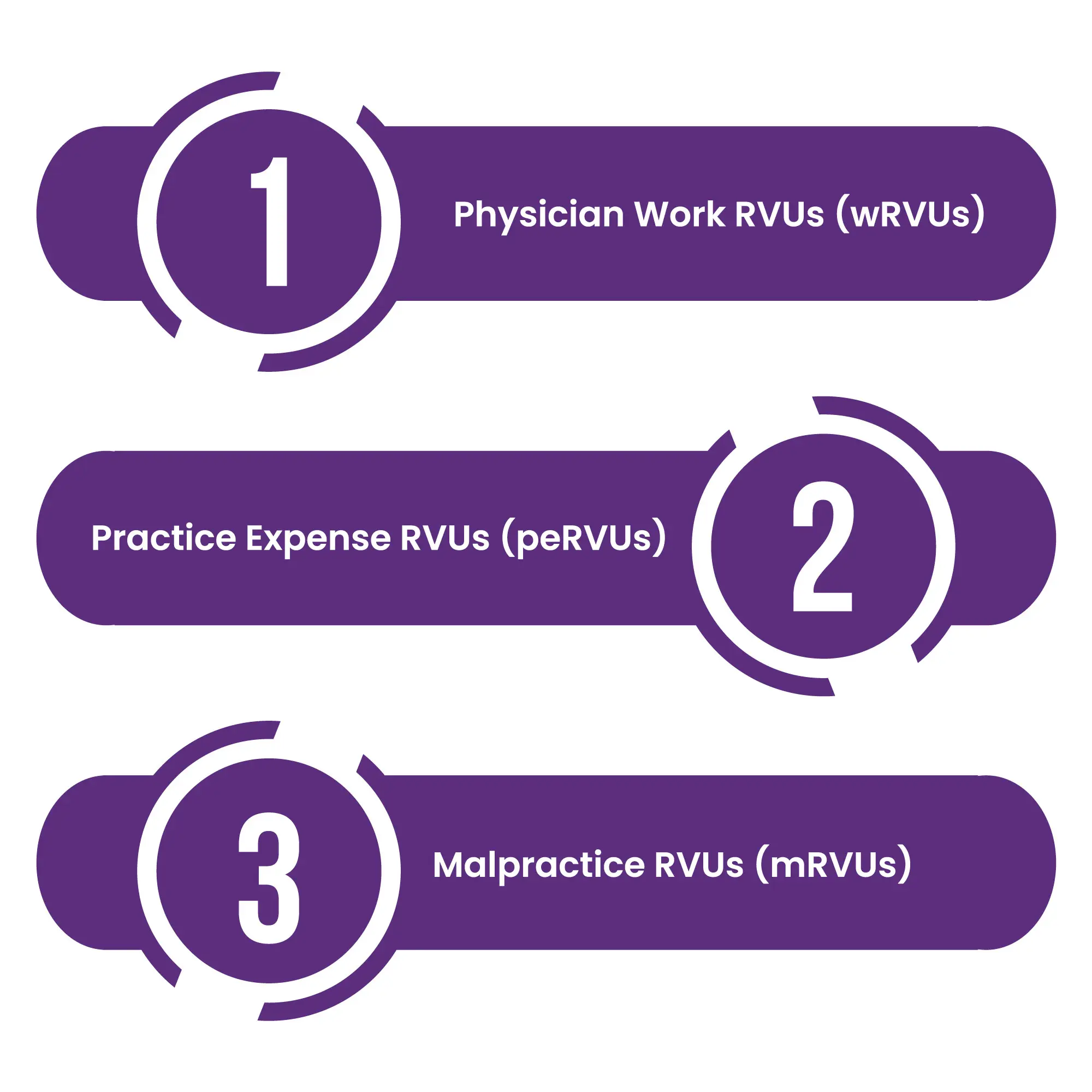
RVU has three main parts. First is the Work RVU, which counts the time and effort of the doctor. Second is the Practice Expense RVU, which covers costs like rent and equipment. Third is the Malpractice RVU, which reflects insurance costs for legal risks. Adding these parts gives the total RVU for a service.
Gather Required Data
Gathering the right data is the first step in calculating RVUs. It sets a clear path for accurate measurement. Without correct data, calculations can be wrong and misleading.
Data collection involves knowing what codes to use and understanding the time spent on each task. This process helps organize your work efficiently.
Identify Procedure Codes
Procedure codes are numbers that describe medical services. Each code represents a specific task or service. Use the correct code to match the service provided.
These codes come from standard lists, like CPT or HCPCS. Make sure to select codes that accurately describe the procedures you perform. Accurate codes lead to better RVU calculations.
Collect Time And Effort Details
Record the time spent on each procedure. This includes preparation, the actual task, and follow-up work. Time shows how much effort each service requires.
Effort is not just time. Consider the skill and complexity involved too. Documenting these details helps assign the right value to each procedure code.
Calculate Work Rvu
Work RVU measures the effort a healthcare provider puts into a service. It helps in understanding the value of medical tasks. Calculating Work RVU involves specific steps to assign proper values. These steps ensure fair payment and accurate workload tracking.
The process starts with assigning work values. Then, adjustments are made for complexity. Both steps are important to get the correct Work RVU.
Assign Work Values
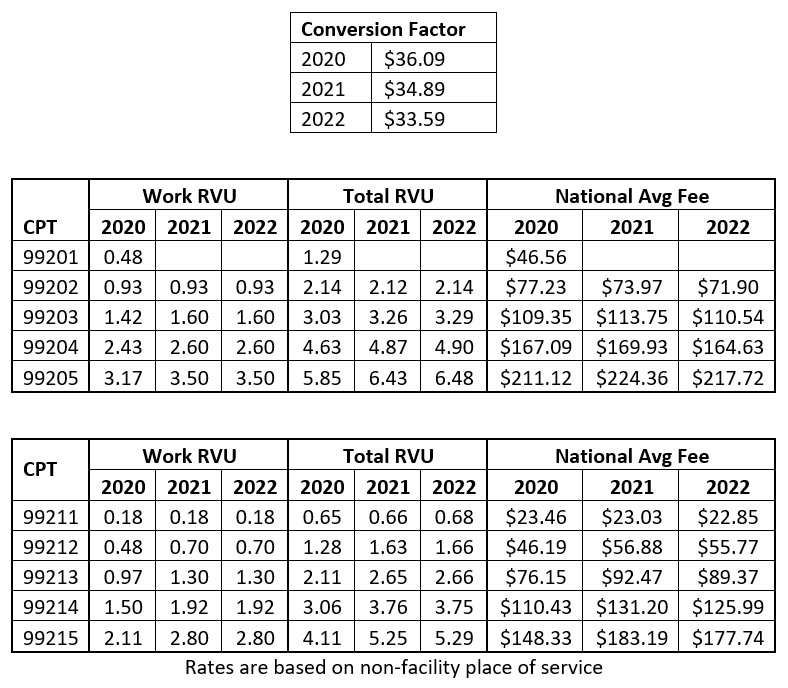
Each medical service has a base work value. This value reflects the time, skill, and effort required. Experts review procedures and assign these values carefully. The values are standardized in the Medicare Physician Fee Schedule.
Assigning work values is a detailed process. It considers the provider’s mental and physical effort. It also looks at technical skill and judgment needed. These factors combine to create a fair work value.
Adjust For Complexity
Not all cases are the same. Some require more effort due to difficulty or patient condition. Adjustments increase the Work RVU for these complex cases. This helps providers get paid fairly for tougher work.
Complexity adjustments take into account factors like patient age and health. They also consider the risk involved in the procedure. These factors raise the base work value to a higher, fair number.
Credit: www.lugpa.org
Calculate Practice Expense Rvu
Calculating the Practice Expense RVU is a key step in understanding healthcare costs. It measures the expenses related to running a medical practice. These include rent, staff salaries, and equipment costs. Knowing how to calculate it helps with accurate billing and resource planning.
Include Overhead Costs
Overhead costs cover general expenses needed to keep the practice open. This includes rent, utilities, and office supplies. Staff salaries for receptionists and billing personnel also count. Adding these costs gives a base for the Practice Expense RVU.
Factor In Equipment And Supplies
Medical equipment and supplies add to the expense total. Items like examination tables, computers, and medical instruments matter. Supplies such as gloves and syringes must be included too. Adding these ensures the Practice Expense RVU reflects true costs.
Calculate Malpractice Rvu
Calculating Malpractice RVU is a key step in determining healthcare provider compensation. It helps measure the risk related to medical services. This value affects how much providers earn for different procedures. Understanding how to calculate this RVU ensures fairness and accuracy.
Understand Risk Categories
Malpractice RVUs depend on risk categories. Each medical specialty has a different risk level. Higher risk means higher malpractice RVUs. Low risk specialties have smaller values. Identifying the correct risk category is essential. It guides the next steps in the calculation.
Apply Appropriate Values
Each risk category has set RVU values. These values come from standardized tables or guidelines. Multiply the base RVU by the risk factor. This gives the malpractice RVU for the service. Use accurate data to avoid errors. Correct application ensures proper payment.
Credit: hcmsus.com
Combine Rvu Components
Combining RVU components is an important step in calculating the total Relative Value Units. This process brings together different RVU parts to create a full value. Each part reflects a specific cost or effort related to medical services. Understanding how to combine these helps in accurate billing and payment.
Sum Work, Practice, And Malpractice Rvus
Start by adding the three main RVU components. The work RVU measures the effort and time a provider spends. Practice RVU covers the costs of running a medical practice. Malpractice RVU accounts for the cost of insurance against lawsuits. Add these values to get the total unadjusted RVU.
Apply Geographic Adjustment Factor
The geographic adjustment factor changes the total RVU based on location. It reflects cost differences across areas, like rent and wages. Multiply the total unadjusted RVU by this factor. This adjustment gives a fair value matching local expenses. The final RVU now represents both effort and location costs.
Use Rvu For Payment Estimation
Using RVUs for payment estimation helps predict healthcare service costs. RVU stands for Relative Value Unit. It measures the value of medical services based on work, practice expenses, and malpractice costs.
Understanding how to calculate payment using RVUs makes billing clearer. Providers and payers can estimate payments fairly. This process ensures that services are compensated according to their complexity and resource use.
Multiply By Conversion Factor
Start by multiplying the total RVU by a conversion factor. The conversion factor is a dollar amount set by payers or Medicare. It converts RVUs into actual payment numbers. For example, if the total RVU is 3.5 and the conversion factor is $36, multiply 3.5 by 36.
This step translates the value units into money. The conversion factor changes yearly or by region. Always use the current conversion factor for accurate estimates.
Interpret Final Payment
The result from the multiplication is the estimated payment. This is the amount a provider may receive for the service. It covers physician work, office costs, and liability insurance.
Keep in mind, final payments can vary by contract or insurer. Some payers adjust payments with additional factors. Still, the RVU-based estimate gives a good starting point for understanding payments.
Tips To Enhance Calculation Accuracy
Calculating RVUs accurately is important for fair medical billing and payment. Small mistakes can cause big errors in claims and reimbursements. Use these tips to improve the accuracy of your RVU calculations. Simple steps can save time and avoid costly problems.
Verify Data Sources
Always check where your RVU data comes from. Use trusted and official sources only. Avoid outdated or unofficial websites. Double-check numbers before using them in calculations. Accurate data is the base of correct RVU results.
Regularly Update Rvu Values
RVU values change often. Insurance rules and medical codes get updated yearly. Review and update your RVU tables on time. Using old values leads to wrong billing and lost revenue. Stay current to ensure precise calculations.
Consult Official Guidelines
Follow official guidelines from CMS or other authorities. These rules explain how to calculate RVUs correctly. Use their instructions for coding, modifiers, and payment adjustments. Official guidelines reduce mistakes and keep your billing compliant.

Credit: www.medicalbillersandcoders.com
Frequently Asked Questions
What Is Rvu In Medical Billing?
RVU stands for Relative Value Unit. It measures the value of medical services based on time, skill, and intensity. RVUs help determine physician reimbursement rates and compare service complexities.
How Do You Calculate Total Rvu?
Total RVU is the sum of three components: work RVU, practice expense RVU, and malpractice RVU. Each reflects different cost factors involved in providing medical services.
Why Is Rvu Important In Healthcare?
RVUs standardize payment for medical procedures. They ensure fair compensation based on effort and resources needed. RVUs also aid in budgeting and performance analysis.
What Factors Affect Rvu Values?
RVU values depend on procedure complexity, time required, practice expenses, and malpractice risk. These elements are regularly updated to reflect current healthcare costs.
Conclusion
Calculating RVU helps measure the value of medical services clearly. It breaks down complex billing into simple parts. Knowing how to calculate RVU guides better financial decisions. This skill supports fair payment for healthcare providers. Understanding RVU also improves communication between doctors and staff.
Keep practicing the steps to become confident in using RVU. Small efforts lead to big improvements in managing healthcare payments. Stay curious and keep learning for stronger financial skills in medicine.
As an Amazon Associate, I earn from qualifying purchases.
