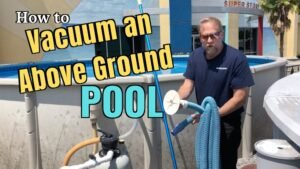
Keeping your pool clean can feel like a big job, but knowing how to vacuum a pool properly makes all the difference. You want your water clear, fresh, and inviting without spending hours struggling with equipment.
Imagine easily removing dirt, leaves, and debris, so your pool looks perfect every time you step in. In this guide, you’ll discover simple steps and expert tips that take the hassle out of pool vacuuming. Ready to make your pool sparkle with less effort?
Let’s dive in and get started!
Credit: www.swimuniversity.com
Choosing The Right Vacuum
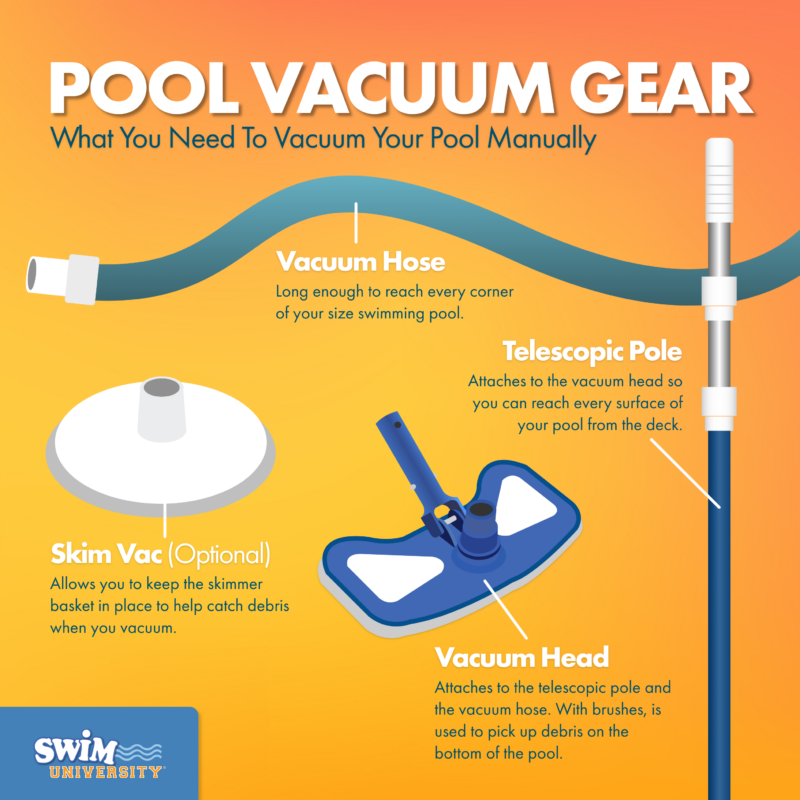
Choosing the right vacuum is key to keeping your pool clean. It helps save time and effort. Picking the right tool makes pool cleaning easier and more effective. Consider your needs, pool type, and budget before deciding.
Manual Vs. Automatic Options
Manual vacuums need you to push and pull the vacuum head. They give you full control over cleaning. Great for small pools or spot cleaning. Automatic vacuums work on their own. They move around and clean the pool floor. Best for larger pools and regular cleaning. Both types have pros and cons. Choose based on how much time you want to spend cleaning.
Vacuum Head Types
Vacuum heads come in different shapes and sizes. Some have brushes to scrub dirt off surfaces. Others have flat heads for smooth floors. Wide heads cover more area quickly. Narrow heads reach tight corners easily. Pick a head that fits your pool’s surface. Some heads work better on tile, others on vinyl or concrete.
Consider Pool Size And Shape
Pool size affects the vacuum you need. Large pools need powerful vacuums with wide heads. Small pools do well with simple manual vacuums. Pool shape matters too. Irregular shapes need flexible vacuum hoses and smaller heads. Round or rectangular pools work well with standard vacuums. Match your vacuum to your pool’s shape and size for best results.
Credit: www.swimmingpool.com
Preparing Your Pool
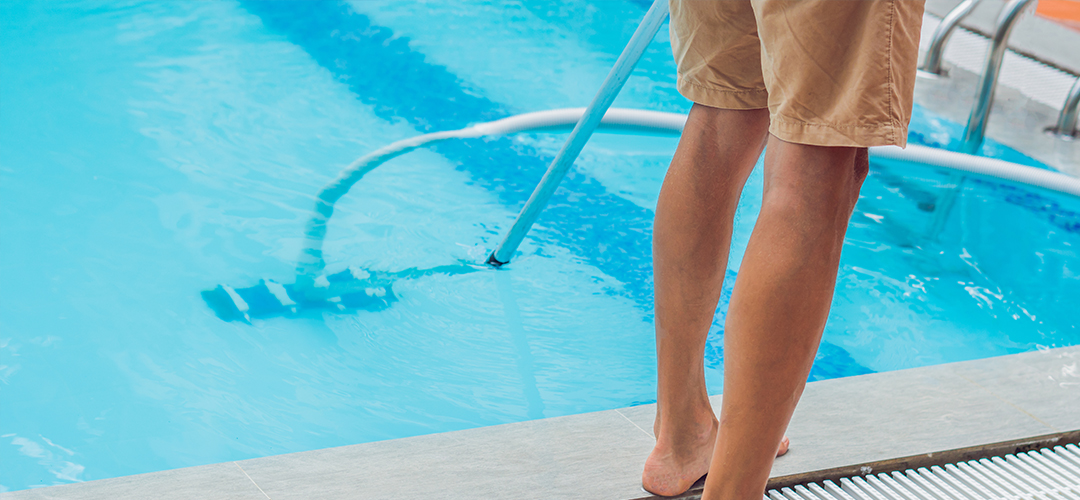
Start by removing large debris from the pool surface. Attach the vacuum head to the pole and hose. Slowly move the vacuum across the pool floor to clean dirt and dust.
Remove Large Debris
Start by clearing your pool of big leaves and sticks. Use a skimmer net to scoop out these items. This makes vacuuming easier and stops blockages. Large debris can clog your vacuum head and reduce cleaning power.
Check Water Chemistry
Test the pool water before vacuuming. Balanced water protects your pool and equipment. Check pH, chlorine, and alkalinity levels. Adjust them if needed using pool chemicals. Clean water helps the vacuum work better and keeps your pool safe.
Set Up Equipment
Gather all vacuum parts like the pole, hose, and vacuum head. Attach the hose to the vacuum head securely. Connect the other end to the pool’s suction or skimmer port. Make sure everything fits tight to avoid air leaks. Turn on the pump to start suction before moving the vacuum in the pool.
Vacuuming Techniques
Start by attaching the vacuum head to the pole and hose. Slowly move the vacuum across the pool floor, avoiding quick movements to pick up dirt effectively. Clean the filter often to keep suction strong.
Connecting The Vacuum Hose
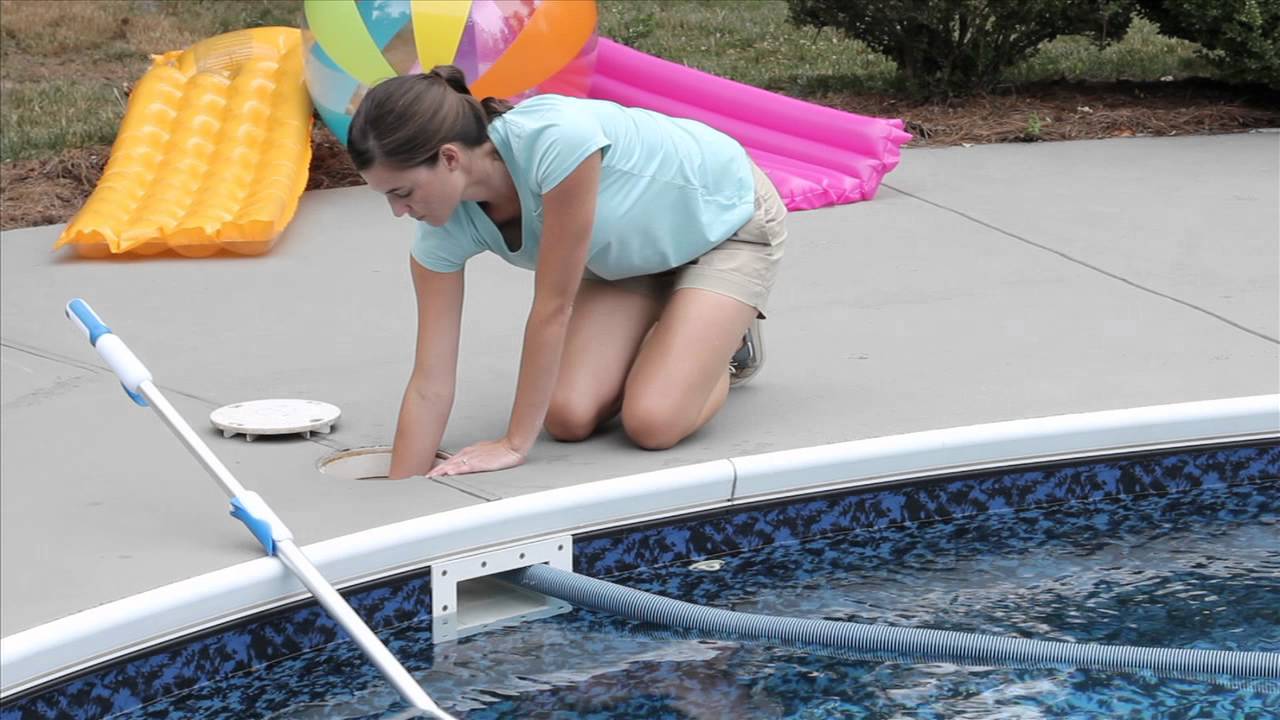
Start by attaching the vacuum hose to the vacuum head. Make sure the connection is tight. Next, connect the other end of the hose to the pool’s skimmer or vacuum port. Push the hose into the water slowly to remove air pockets. Air in the hose can stop suction. Let water fill the hose completely before turning on the pump.
Starting The Vacuum
Turn on the pool pump after the hose fills with water. Check the vacuum head for strong suction. If suction is weak, check for air leaks or hose kinks. Slowly move the vacuum head across the pool floor. Avoid lifting the vacuum head out of the water. Keep it submerged to maintain suction and clean effectively.
Systematic Cleaning Patterns
Clean the pool in sections to cover all areas. Use slow, steady movements for better dirt pickup. Overlap each pass slightly to avoid missing spots. Start at the deep end and work toward the shallow end. This method prevents dirt from resettling in cleaned areas. Regular patterns make cleaning faster and thorough.
Maintaining Your Vacuum System
Maintaining your pool vacuum system is key to keeping your pool clean and safe. Regular care helps the vacuum work better and last longer. Simple steps can prevent problems and save money on repairs.
Cleaning Filters And Bags
Filters and bags trap dirt and debris from your pool. Clean them after every use to keep water flowing well. Rinse filters with a garden hose until clear. Empty vacuum bags and wash them gently. Dirty filters and bags reduce suction and make cleaning harder.
Inspecting Hoses And Attachments
Check hoses for cracks, holes, or leaks before each use. Small leaks lower vacuum power. Make sure all attachments fit tightly. Loose connections cause air to enter and stop suction. Replace damaged hoses or worn parts quickly to keep your vacuum working smoothly.
Storage Tips
Store your vacuum system in a dry, shaded place. Avoid direct sunlight, which can damage hoses and plastic parts. Coil hoses loosely to prevent kinks. Keep small parts together to avoid losing them. Proper storage extends the life of your equipment and keeps it ready for the next cleaning.
Troubleshooting Common Issues
Troubleshooting common issues during pool vacuuming saves time and effort. Pool vacuums sometimes do not work as expected. Simple fixes can restore their performance quickly. Understanding common problems helps keep your pool clean and clear.
Low Suction Power
Low suction power reduces cleaning efficiency. Check if the pump is running properly. Ensure the vacuum hose is fully connected. Look for leaks in the hose or fittings. Clean the pump basket and skimmer basket. Dirty baskets can block water flow. Also, verify the filter is clean and not clogged.
Clogged Hose Or Filter
A clogged hose or filter stops debris from moving. Remove the hose and check for blockages. Clear out leaves, dirt, or algae inside the hose. Backwash the filter to clean trapped debris. Replace filter cartridges if they are old or damaged. Regular cleaning prevents clogging and improves vacuuming.
Vacuum Head Not Moving
The vacuum head should glide smoothly across the pool floor. Check if the wheels or brushes are stuck. Remove any debris wrapped around moving parts. Make sure the hose is not tangled or heavy on the vacuum head. Adjust the hose length to allow free movement. Proper movement ensures thorough cleaning.
Additional Tips For Sparkling Water
Keeping your pool water clear and sparkling takes more than just vacuuming. A few extra steps help maintain water quality and cleanliness. These tips make your vacuuming efforts more effective and your pool more inviting.
Regular Vacuuming Schedule
Vacuum your pool at least once a week. This removes dirt and debris before they settle. More frequent vacuuming may be necessary after storms or heavy use. Consistency keeps the pool floor clean and water clear.
Balancing Pool Chemicals
Check pool chemicals regularly to keep water balanced. Proper pH and chlorine levels stop algae and bacteria growth. Balanced water helps prevent cloudy water and scaling. Test your water at least twice a week for best results.
Using Supplemental Cleaning Tools
Use brushes to scrub pool walls and steps. Nets catch leaves and floating debris quickly. Skimming daily helps reduce the amount vacuuming needed. These tools keep your pool cleaner between vacuuming sessions.
Credit: www.youtube.com
Frequently Asked Questions
How Often Should I Vacuum My Pool?
Vacuum your pool at least once a week. Regular vacuuming prevents dirt buildup. It keeps water clear and healthy for swimming.
What Equipment Do I Need To Vacuum A Pool?
You need a pool vacuum head, telescopic pole, vacuum hose, and a pump. These tools work together to remove debris from the pool floor.
Can I Vacuum My Pool While The Pump Is Off?
No, the pool pump must be on. The pump creates suction to pull debris into the filtration system during vacuuming.
How Do I Connect The Vacuum Hose To The Pool?
Attach one end of the vacuum hose to the vacuum head. Connect the other end to the pool’s skimmer or vacuum port for suction.
Conclusion
Vacuuming your pool keeps it clean and safe to swim. Regular cleaning helps remove dirt and debris easily. Use the right tools and follow simple steps each time. This saves you effort and keeps water clear. Clean pools look inviting and last longer too.
Make vacuuming a part of your pool care routine. Simple care leads to great results and more fun.
As an Amazon Associate, I earn from qualifying purchases.