
Have you ever wondered how a cellular trail camera captures clear photos of wildlife miles away, then sends them straight to your phone? Understanding how this smart device works can change the way you monitor animals, secure your property, or explore nature.
You’ll discover the simple technology behind cellular trail cameras and how they bring the outdoors right to your fingertips. Keep reading to unlock the secrets of this powerful tool and learn how it can work for you.
Cellular Trail Camera Basics
Cellular trail cameras are smart devices used to monitor wildlife or secure property. They send photos directly to your phone or email. This feature makes checking the camera’s view easy and quick. Understanding how these cameras work helps you use them better.
Key Components
Every cellular trail camera has a few important parts. First is the camera lens. It captures images and videos. Next is the motion sensor. It detects movement near the camera. Then comes the cellular module. This sends images through the mobile network. The battery powers the whole device. Some models also include an infrared flash. This helps take pictures at night without scaring animals.
How It Captures Images
The camera stays in sleep mode to save power. The motion sensor wakes the camera when it detects movement. The camera lens quickly takes a photo or video. The image is stored inside the camera’s memory. Then the cellular module sends the photo to your phone or email. This process happens fast to capture wildlife or any activity. Night photos use infrared light, which is invisible to animals.

Credit: www.moultrie.com
Cellular Connectivity Explained
Cellular connectivity is the key feature of a cellular trail camera. It allows the camera to send images and alerts directly to your phone or email. This connection works through mobile networks, like the ones used by smartphones. Understanding how this works helps you use the camera better and know its limits.
The camera has a built-in SIM card or supports one. It uses this to connect to nearby cell towers. Once connected, the camera can upload photos and videos quickly. This means you get real-time updates from the field without visiting the camera site.
Types Of Cellular Networks
Cellular trail cameras use several types of mobile networks. The most common are 3G, 4G LTE, and 5G networks. 3G networks are slower and may delay photo uploads. 4G LTE offers faster speeds and better reliability. 5G is the newest and fastest but not available everywhere yet.
Many cameras work with multiple network types. This helps them maintain connection in different areas. Some cameras automatically switch between networks based on the signal strength. This flexibility ensures better performance in remote locations.
Signal Strength And Range
Signal strength affects how well the camera connects to the network. Stronger signals mean faster uploads and fewer lost images. Weak signals can cause delays or failed transmissions. The camera’s location matters a lot for signal quality.
Dense trees, hills, or buildings can block signals. Open areas usually have better reception. Some cameras include external antennas to boost signal range. Always check signal strength before placing the camera in the field.
Image Transmission Process
The image transmission process in a cellular trail camera moves photos from the device to your phone or computer. This process happens quickly and securely. It ensures you see clear pictures of wildlife or activity without delay.
Understanding how images travel helps you appreciate the technology inside these cameras. It also shows why cellular trail cameras are useful for remote monitoring.
From Capture To Cloud
First, the camera captures an image using its sensor. The photo is saved in the camera’s memory. Then, the camera connects to a nearby cell tower using a SIM card. It sends the image data through the cellular network.
The image reaches a cloud server. The cloud stores the photo safely. It also processes the data for easy access. You can open the image anytime through an app or website. This system avoids the need to visit the camera physically.
Data Compression Techniques
Cellular cameras use data compression to send images faster. Compression reduces the file size without losing much detail. Smaller files mean quicker uploads and less data use.
Common compression formats include JPEG and HEIF. These formats keep images clear while shrinking their size. Efficient compression helps the camera save battery life. It also keeps the connection stable even in weak signal areas.
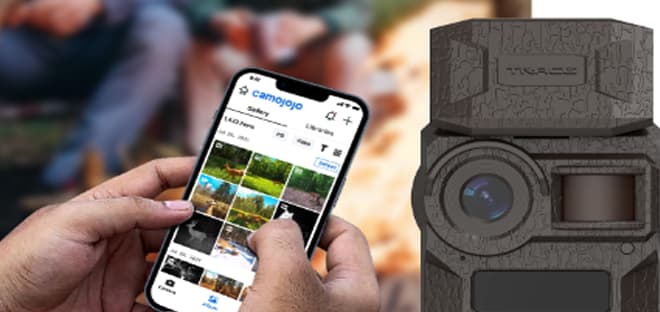
Credit: camojojo.com
Power And Battery Life
Power and battery life play a big role in how well a cellular trail camera works. These cameras need energy to take photos, send data, and stay active in remote places. Choosing the right power source and managing battery use helps keep the camera running longer. This section explains common power options and tips to save battery life.
Power Sources
Most cellular trail cameras use batteries as their main power source. Common types include AA batteries and rechargeable lithium-ion packs. Some cameras support solar panels to recharge batteries using sunlight. Solar power can extend battery life in outdoor settings.
Battery capacity varies by model. Higher capacity means longer run time. Using high-quality batteries also improves camera performance. Some cameras offer dual power options, allowing users to switch between battery and external power.
Battery Management Tips
Turn off unnecessary features like flash or notifications to save power. Set the camera to take fewer photos per trigger. This reduces battery drain from frequent activity. Check battery levels regularly to avoid surprises.
Use fresh or fully charged batteries for best results. Remove batteries if the camera will not be used for a long time. Keep spare batteries handy to replace when needed. Proper battery care increases the camera’s life and reliability.
Setting Up A Cellular Trail Camera
Setting up a cellular trail camera is an important step to capture clear and timely images. Proper setup helps the camera work efficiently and send photos directly to your phone or email. It involves picking the best spot and adjusting the camera’s network options.
Choosing The Right Location
Place the camera where animals often pass. Look for trails, water sources, or feeding spots. Avoid direct sunlight to reduce glare and false triggers. Mount the camera at about 3 to 4 feet high. Use a tree or post that is stable and won’t shake in the wind. Ensure the camera lens faces the direction animals usually travel. Check the area for a strong cellular signal. A weak signal will delay or stop image transfer.
Configuring Network Settings
Turn on the camera and access its menu. Insert the SIM card that supports your network. Enter the correct APN settings from your cellular provider. Set up the camera to send photos via text or email. Test the connection before leaving the site. Adjust settings for photo quality and trigger speed. Save all changes and restart the camera. Proper network setup ensures fast and reliable image delivery.
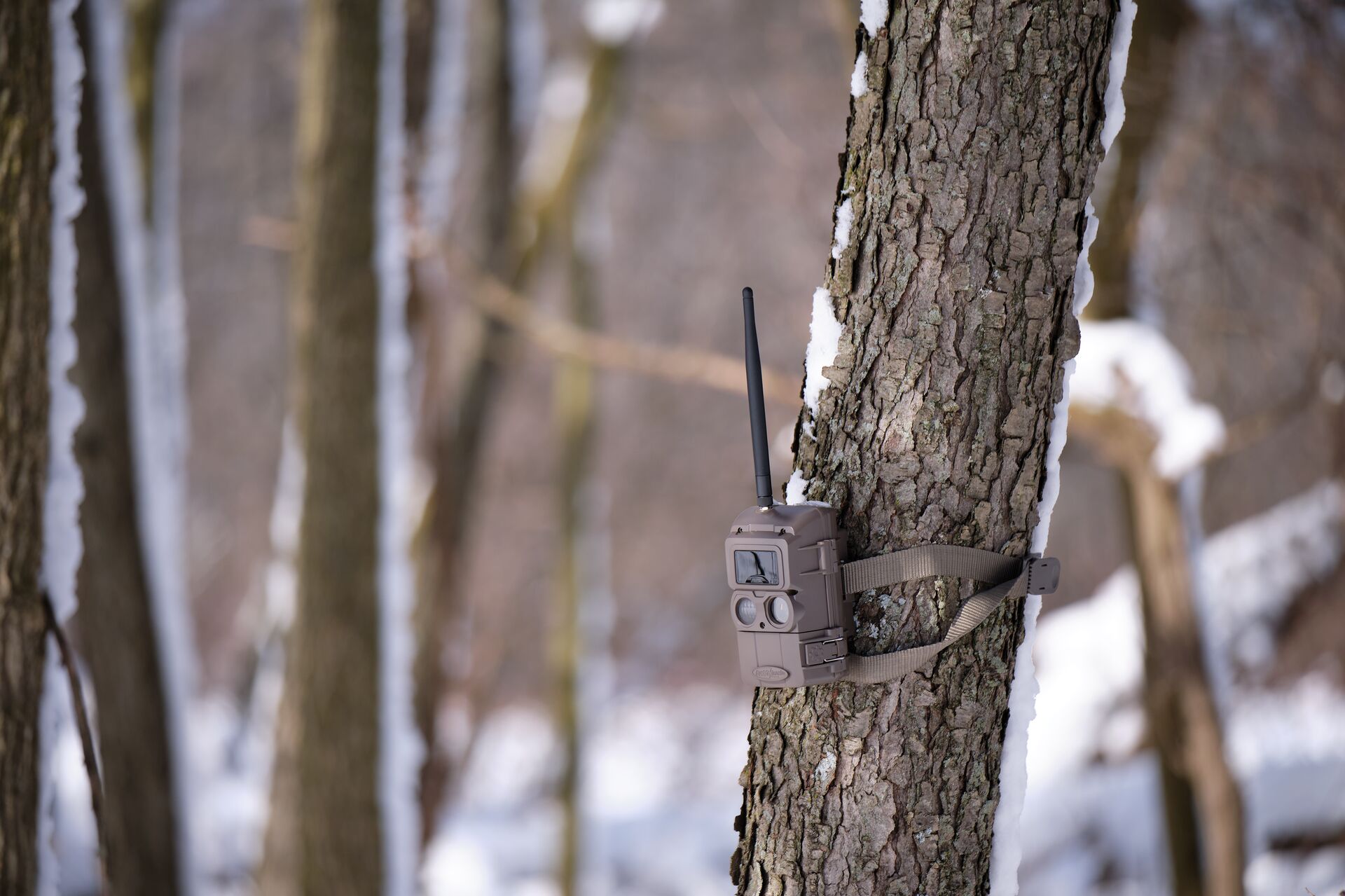
Credit: www.hunter-ed.com
Benefits Of Cellular Trail Cameras
Cellular trail cameras offer many benefits for outdoor watchers and hunters. These cameras connect to cellular networks to send images and videos instantly. This feature brings convenience and efficiency to tracking wildlife or monitoring property.
With cellular trail cameras, users save time and effort. There is no need to visit camera sites to check memory cards. The ability to receive real-time updates helps users act quickly on new information.
Real-time Monitoring
Real-time monitoring allows users to see wildlife activity as it happens. Cameras send images or videos directly to your phone or email. This instant access helps users stay informed without delay.
It also increases safety by reducing trips to remote locations. Users can spot unusual movements or intruders early. This feature is useful for hunters, researchers, and landowners alike.
Remote Access Advantages
Remote access lets users control cameras from anywhere. You can change settings, check battery life, or adjust triggers remotely. This saves time and avoids unnecessary travel to camera sites.
It also ensures cameras work properly and capture needed data. Remote access makes managing multiple cameras easier. Users can cover larger areas without physically being there.
Common Challenges And Solutions
Cellular trail cameras help capture wildlife images remotely. They send photos using mobile networks. Despite their benefits, users face common challenges. These problems can affect camera performance. Understanding these issues helps keep the camera working well.
Connectivity Issues
Cellular trail cameras need good signal strength. Weak signals cause delayed or lost photos. Thick trees and hills block signals. Cameras placed far from towers struggle to connect. Check signal strength before installation. Choose spots with clear sky view. Use external antennas to boost signals. Restart the camera to fix temporary glitches. Update camera firmware for better network support.
Battery Drain Problems
Batteries run out quickly in cold weather. Frequent photo sending uses more power. Using high-resolution images drains batteries fast. Turn off unnecessary features like video recording. Use rechargeable batteries or solar panels. Set longer intervals between photos. Lower image resolution to save energy. Regularly check battery status and replace when needed.
Future Trends In Trail Camera Technology
Trail cameras are evolving quickly. New technology makes them smarter and easier to use. Future trail cameras will give better images and faster data. They will also connect more easily to other devices. These changes help hunters, researchers, and nature lovers track wildlife more effectively.
Advancements In Cellular Tech
Cellular technology in trail cameras is improving fast. Cameras will work on 5G networks soon. This means faster photo uploads and live video streams. They will use less battery power while sending data. Cameras will cover more remote areas with better signals. This helps users get updates from far places quickly.
Integration With Smart Devices
Trail cameras will connect better with smartphones and tablets. Users can control settings and view pictures remotely. Notifications will arrive instantly on smart devices. Voice commands might also become a way to control cameras. This makes monitoring wildlife simple and hands-free. It fits perfectly with today’s smart home and outdoor gear.
Frequently Asked Questions
What Is A Cellular Trail Camera?
A cellular trail camera is a wildlife camera that transmits photos via cellular networks. It allows remote monitoring without physical retrieval. It captures images or videos triggered by motion or heat sensors. This makes it ideal for hunting, research, or security purposes.
How Does A Cellular Trail Camera Transmit Images?
The camera uses a SIM card and cellular network to send images. When triggered, it captures photos and uploads them instantly. Users receive images on their phones or emails. This eliminates the need to visit the camera site frequently.
What Are The Main Components Of A Cellular Trail Camera?
Main components include a camera lens, motion sensor, infrared flash, SIM card slot, and battery. The motion sensor detects movement and triggers the camera. The SIM card enables cellular data transmission. Infrared flash allows night vision without disturbing wildlife.
How Long Does The Battery Last In These Cameras?
Battery life varies but typically lasts from a few weeks up to several months. It depends on usage frequency, image transmission, and battery type. Solar panels or rechargeable batteries can extend operating time. Efficient power management is crucial for long-term use.
Conclusion
Cellular trail cameras capture wildlife with ease and speed. They send photos directly to your phone or email. This helps you watch animals without disturbing them. The camera uses motion sensors to detect movement. It works day and night with infrared lights.
You can check your camera from anywhere, anytime. These cameras save time and effort in wildlife tracking. Understanding how they work makes using them simple. Trail cameras bring nature closer to you. A smart tool for any outdoor enthusiast.
As an Amazon Associate, I earn from qualifying purchases.
