
As an Amazon Associate, I earn from qualifying purchases.
Have you ever wondered how a trail camera captures those perfect wildlife moments without anyone around? If you’re curious about how this clever device works and how it can help you explore nature or keep an eye on your property, you’re in the right place.
By understanding the simple yet smart technology behind trail cameras, you’ll see just how easy it is to get amazing photos and videos without lifting a finger. Keep reading, and you’ll discover everything you need to know to make the most of your trail camera.
Credit: www.gearcheckers.com
Trail Camera Basics
Trail cameras are popular tools for wildlife observation and security. They capture images or videos automatically. These devices help monitor animals without disturbing them. Understanding how trail cameras work starts with knowing their basic parts and types.
Key Components
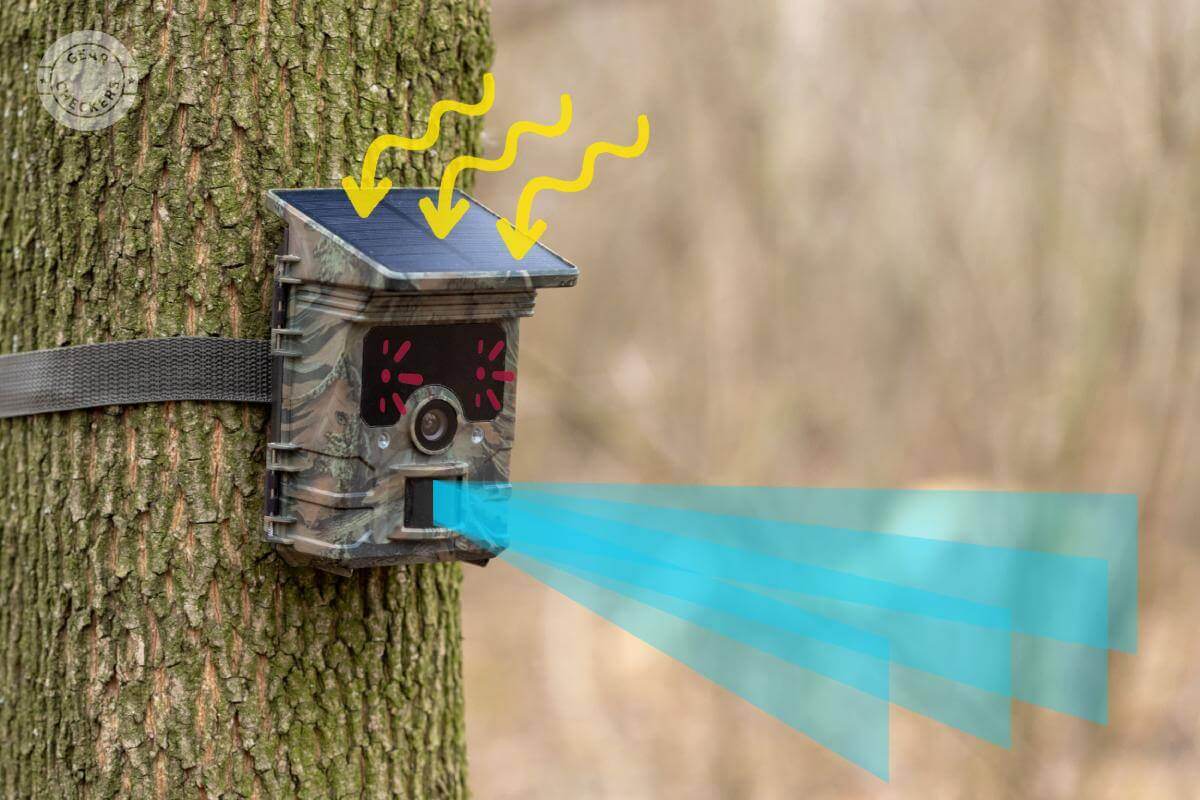
Every trail camera has several important parts. A lens captures the image or video. A motion sensor detects movement nearby. The sensor triggers the camera to start recording. An infrared flash allows night-time photos without bright light. A memory card stores all the pictures and videos. Batteries power the device for long periods. A weatherproof case protects the camera outdoors.
Types Of Trail Cameras
Trail cameras come in different styles for various needs. Passive infrared (PIR) cameras sense heat and movement. These are common for wildlife monitoring. Cellular trail cameras send images to your phone or email. They need a SIM card and signal. Some cameras focus on video recording. Others specialize in high-resolution photos. Choose a type based on your purpose and location.
How Trail Cameras Detect Wildlife
Trail cameras catch images of wildlife by sensing their presence. They wait quietly, ready to snap photos or videos when animals come close. These cameras use smart technology to detect movement and heat from animals. This helps them work well in forests, fields, and other natural places.
Motion Sensors
Motion sensors detect any movement near the camera. These sensors use infrared light to spot changes in the area. When an animal moves, the sensor notices and triggers the camera. This way, the camera only takes pictures when something moves. It saves battery and memory space.
Heat Detection Technology
Heat detection technology senses the warmth of animals. All animals give off body heat, which is invisible to the human eye. Trail cameras use special sensors to pick up this heat. When the heat changes near the camera, it starts recording. This helps cameras find animals even in the dark or behind objects.
Capturing Images And Videos
Trail cameras capture images and videos by sensing motion and heat. They stay ready, waiting quietly for animals or people to pass by. When movement triggers the sensor, the camera snaps photos or records videos automatically. This process helps capture moments without disturbing wildlife or missing action.
Several features affect how well a trail camera captures images and videos. These include how fast the camera reacts, how clear the images are, and how well it works in low light. Understanding these features helps choose the right camera for your needs.
Trigger Speed
Trigger speed is how fast the camera takes a photo after detecting motion. A fast trigger speed means fewer missed moments. Slow cameras may capture empty frames or miss quick animals. Most trail cameras have trigger speeds under one second.
Image Resolution
Image resolution shows how clear and detailed photos appear. Higher resolution means sharper images and better zoom quality. Common resolutions range from 8 to 20 megapixels. Choose a resolution that fits your purpose and storage limits.
Night Vision Capabilities
Night vision lets the camera capture images in darkness. Infrared LEDs light up the area without scaring animals. Some cameras offer black and white night photos, others provide color. Good night vision ensures clear images even in total darkness.
Setting Up A Trail Camera
Setting up a trail camera properly ensures it captures the best photos or videos. Placement and settings affect the camera’s performance. Small adjustments make a big difference in your results.
Best Locations
Choose spots where animals often pass by. Near water sources, trails, or feeding areas work well. Look for signs like tracks, droppings, or worn paths. Avoid open spaces with too much sun or wind. Dense bushes or tree lines provide good cover.
Mounting Tips
Mount the camera at about waist height. Use a sturdy tree or post for support. Keep the camera steady and secure to avoid blurry images. Point it slightly downward to catch animals clearly. Check the camera angle before leaving it.
Adjusting Sensitivity
Set the motion sensor sensitivity based on the environment. High sensitivity detects small movements but may trigger false shots. Low sensitivity reduces false triggers but might miss smaller animals. Test different levels to find the right balance. Adjust settings after reviewing initial photos.
Power And Storage Options
Trail cameras need power and storage to work properly in the wild. Power keeps the camera running for days or weeks. Storage saves all the photos and videos it captures. Choosing the right power source and memory card is key for good results.
Battery Types
Most trail cameras use AA batteries. They are easy to find and replace. Some cameras use rechargeable batteries for longer life. Lithium batteries last longer than alkaline ones. Solar-powered options recharge batteries using sunlight. This helps keep the camera running without battery changes.
Memory Cards And Capacity
Trail cameras store images on memory cards. Most use SD or microSD cards. The card size affects how many photos you can save. Common sizes range from 8GB to 64GB or more. Larger cards hold more pictures and videos. Always check your camera’s maximum card size before buying.

Credit: www.trailcampro.com
Data Retrieval And Management
Data retrieval and management are key parts of using a trail camera. After capturing photos or videos, you need to access and organize this data easily. Efficient data handling saves time and helps you study wildlife better. Different trail cameras offer various methods to get and manage your files. Let’s explore some common ways.
Wireless Connectivity
Many modern trail cameras have wireless features. They can connect via Wi-Fi or cellular networks. This lets you receive images directly on your phone or computer. No need to remove memory cards or visit the camera site. Wireless connection speeds up your work. It also helps you monitor animals in real-time. Some cameras send alerts when they detect movement. This feature keeps you updated without extra effort.
Using Apps And Software
Trail camera makers often provide apps or software. These tools help you download and organize photos easily. You can sort images by date, time, or location. Some apps let you edit or share pictures quickly. They also show battery life and memory status. User-friendly interfaces make managing data simple. This technology makes wildlife tracking more efficient and enjoyable.
Common Challenges And Solutions
Trail cameras are helpful for wildlife observation and security. Yet, users often face common problems. These issues can affect camera performance and image quality. Understanding these challenges helps users get better results.
Simple fixes often solve these problems. Regular checks and good setup improve the camera’s function. Below are two common challenges and practical solutions.
False Triggers
False triggers happen when the camera activates without animals present. Moving leaves, sunlight, or nearby heat sources cause this. False images fill memory cards and waste battery life.
To reduce false triggers, place the camera away from moving branches. Adjust the sensor sensitivity to a lower setting. Avoid aiming the camera directly at the sun. Regularly clean the lens to prevent false signals from dirt or water.
Weatherproofing Issues
Trail cameras face rain, snow, and dust outdoors. Poor weatherproofing can cause damage or malfunction. Moisture inside the camera leads to blurry images or failure.
Choose a camera with a good IP rating for water and dust resistance. Use silicone sealant on seams for extra protection. Check the battery compartment and memory card slot for tight seals. Store the camera in a dry place during extreme weather.

Credit: www.trailcampro.com
Applications Beyond Wildlife Monitoring
Trail cameras are not just for watching animals. They have many uses beyond wildlife monitoring. These cameras capture photos and videos automatically when they detect movement. This feature makes them useful in many other fields. Below are some important applications of trail cameras outside of wildlife study.
Security Uses
Trail cameras help protect homes and properties. They work well in places without electricity or Wi-Fi. The cameras record any movement near doors, windows, or driveways. This helps catch thieves or unwanted visitors. The images provide proof for police or insurance. Many people use trail cameras to watch remote cabins or farms. The cameras stay hidden and work day and night.
Research And Conservation
Scientists use trail cameras to study many animals safely. Cameras monitor endangered species without disturbing them. They collect data on animal behavior, numbers, and movement. This information helps protect wildlife and their habitats. Researchers also track illegal activities like poaching. Trail cameras offer a non-intrusive way to gather facts. They save time and reduce the need for human presence in the wild.
Frequently Asked Questions
How Does A Trail Camera Detect Motion?
Trail cameras use passive infrared sensors to detect heat and movement. When an animal passes by, the sensor triggers the camera to capture images or videos instantly.
What Powers A Trail Camera?
Most trail cameras run on AA batteries, rechargeable batteries, or solar power. Battery life depends on usage frequency and model efficiency.
Can Trail Cameras Work At Night?
Yes, trail cameras use infrared LEDs for night vision. This allows them to capture clear images without disturbing wildlife in darkness.
How Do Trail Cameras Store Captured Images?
Trail cameras store images and videos on SD cards. Some advanced models offer wireless transfer to smartphones or cloud storage.
Conclusion
Trail cameras capture wildlife quietly and clearly. They use motion sensors to detect movement fast. When triggered, the camera takes photos or videos. Infrared lights help capture images in the dark. These cameras work without disturbing animals nearby. Easy to set up and use in any area.
They help hunters, researchers, and nature lovers alike. Understanding how they work improves your outdoor experience. Try one and see nature from a new view. Simple technology with big benefits.
As an Amazon Associate, I earn from qualifying purchases.
