
Have you ever wondered how your vacuum cleaner actually cleans the floor? It might seem like magic, but it’s all about science working behind the scenes.
Understanding how a vacuum works can help you use it better and even choose the right one for your home. You’ll discover the simple yet powerful process that makes your vacuum suck up dust and dirt. Keep reading, and you’ll never look at your vacuum the same way again.
Vacuum Basics
Understanding how a vacuum works starts with the basics. A vacuum cleaner removes dirt and dust by creating suction. This suction pulls in debris from floors and surfaces. Inside, several parts work together to make this happen. Knowing these parts helps you understand how the machine cleans.
Core Components
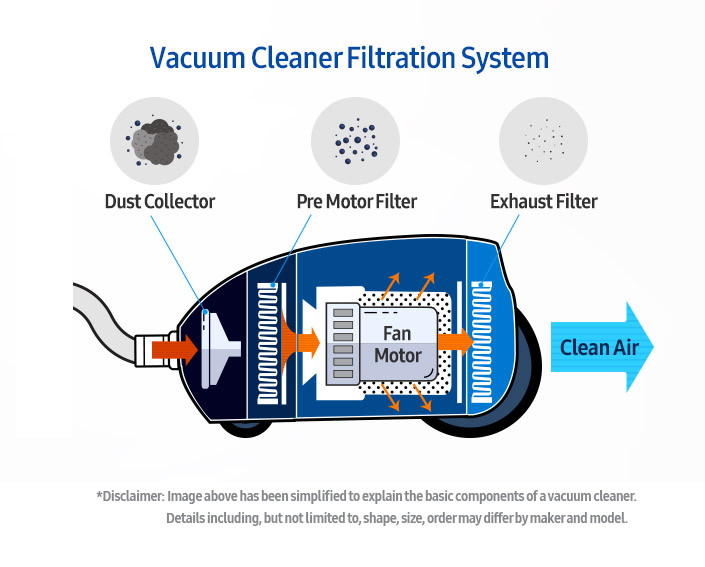
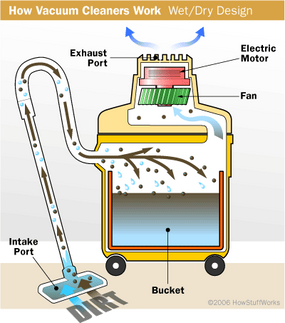
The motor is the heart of a vacuum. It powers the fan that creates suction. The suction pulls air and dirt into the vacuum. Next is the dustbin or bag. It collects the dirt and dust sucked up. Filters trap fine dust particles, keeping the air clean. The hose and nozzle guide the suction to the dirt. Each part must work well for effective cleaning.
Types Of Vacuums
Several vacuum types exist for different cleaning needs. Upright vacuums are common for carpet cleaning. They have a brush roll that shakes dirt loose. Canister vacuums offer more flexibility and reach. Stick vacuums are lightweight and easy to carry. Robot vacuums work automatically to clean floors. Handheld vacuums are best for small spots and cars. Each type uses the same basic suction idea.
How Suction Happens
Suction is the key action that makes a vacuum cleaner work. It pulls dirt and dust into the machine. This happens because of air pressure differences and the vacuum’s motor. Understanding these parts helps explain how suction happens.
Role Of Air Pressure
Air pressure is the force of air pushing in all directions. Outside the vacuum, air pressure is normal. Inside the vacuum, air pressure is lower because air is pulled out. Air moves from high pressure outside to low pressure inside. This movement creates suction. Dirt and dust follow the air into the vacuum.
Motor And Fan Function
The motor powers a fan inside the vacuum. The fan spins fast to push air out. Removing air lowers the pressure inside the vacuum. The motor’s power controls how strong the suction is. The faster the fan spins, the stronger the suction force. This draws dirt into the vacuum cleaner’s dust container.
Dirt Collection Methods
Vacuum cleaners use different methods to collect dirt and dust. These methods affect how the vacuum works and how easy it is to clean. Understanding these methods helps you choose the right vacuum for your needs.
Two main dirt collection methods are bagged and bagless. Filters and cyclones also play a big role in how well a vacuum traps dust and allergens.
Bagged Vs. Bagless
Bagged vacuums collect dirt in a replaceable bag. The bag holds dust and debris inside. When full, you throw the bag away and add a new one.
Bagged vacuums keep dust sealed well. This lowers the chance of dust escaping back into the air.
Bagless vacuums use a clear container instead of a bag. You empty the container when it fills up. This saves money on bags but can release dust during emptying.
Bagless models show how much dirt they collect. This helps you know when to clean the container.
Filters And Cyclones
Filters catch tiny dust particles that bags or containers miss. They help keep the air clean.
HEPA filters are very good at trapping allergens like pollen and pet dander. They improve air quality in the home.
Cyclone technology uses spinning air to separate dust from the air. It sends dirt to the container and cleaner air out.
Combining cyclones and filters makes vacuums more efficient. They hold more dirt and keep the air fresh.

Credit: www.youtube.com
Surface Cleaning Techniques
Surface cleaning techniques are key to effective vacuuming. Different floors need different methods. Using the right technique helps remove dirt and dust better. It also protects the floor from damage. Clean floors look fresh and last longer.
Carpets And Rugs
Vacuuming carpets and rugs requires slow, steady strokes. This helps the vacuum reach deep into fibers. Use a vacuum with a rotating brush for best results. The brush lifts dirt from the carpet pile. Move the vacuum in multiple directions. This cleans hidden dirt and pet hair. Avoid pressing too hard to protect carpet fibers.
Hard Floors
Hard floors need gentle vacuuming to avoid scratches. Use a vacuum with a soft brush or bare floor setting. This prevents damage to wood, tile, or laminate floors. Vacuum in a straight line to pick up dust and crumbs. Pay special attention to corners and edges. Regular cleaning keeps hard floors shiny and clean.
Advanced Technologies
Modern vacuums use advanced technologies to clean more efficiently. These new features make vacuuming easier and more effective. They help save time and energy while improving cleaning results.
Robotic Vacuums
Robotic vacuums move on their own to clean floors. They use small motors and wheels to navigate around furniture. These vacuums can work while you relax or do other tasks. Most models return to their charging dock automatically when the battery is low. They clean hard-to-reach areas and small spaces well. Some can even map your entire home for better coverage.
Smart Sensors
Smart sensors help vacuums detect dirt and obstacles. They guide the machine to focus on dirty spots. Sensors also prevent vacuums from bumping into walls or falling down stairs. This technology helps protect both the vacuum and your home. Some sensors adjust suction power based on floor type. This saves battery and keeps carpets and hard floors clean.
Credit: news.samsung.com
Maintenance Tips
Keeping your vacuum clean and well-maintained helps it work better and last longer. Small efforts in care prevent big problems later. Regular checks and simple cleaning keep the suction strong and parts running smoothly. Follow these tips to keep your vacuum in top shape.
Filter Cleaning
Filters catch dust and dirt from the air. Dirty filters block airflow and reduce suction power. Remove the filter from your vacuum as the manual says. Tap it gently to remove loose dust. Wash the filter with water if it is washable. Let it dry completely before putting it back. Clean filters every month or more often if you vacuum daily.
Troubleshooting Common Issues
Sometimes the vacuum stops working well. Check for blockages in the hose and brush roll. Remove any hair or debris wrapped around the brush. Make sure the dustbin or bag is not full. Empty it when it reaches the fill line. Listen for strange noises or smells. These can show motor or belt problems. Replace worn belts and parts quickly to avoid damage.
Credit: home.howstuffworks.com
Frequently Asked Questions
How Does A Vacuum Cleaner Create Suction?
A vacuum cleaner creates suction using a motor-driven fan. The fan lowers air pressure inside the vacuum. This pressure difference pulls dirt and debris into the vacuum bag or container for collection.
What Components Make A Vacuum Cleaner Work?
Key components include a motor, fan, filter, and collection bag or bin. The motor powers the fan to create suction. Filters trap dust, while the bag stores debris. All parts work together to clean surfaces efficiently.
Why Is Suction Power Important In Vacuums?
Suction power determines how well a vacuum picks up dirt. Higher suction means better dirt and dust removal from floors and carpets. It ensures thorough cleaning and improves the vacuum’s overall performance.
Can A Vacuum Work Without Filters?
No, filters are essential to trap fine dust and allergens. Without filters, dust escapes back into the air. Filters protect the motor and improve indoor air quality.
Conclusion
A vacuum cleans by creating suction that pulls dirt inside. Its motor powers this suction to trap dust and debris. Filters catch tiny particles, keeping the air cleaner. Understanding how a vacuum works helps you use it better. Regular cleaning keeps your home healthy and fresh.
Simple parts work together to make cleaning easier. A vacuum’s power lies in air pressure and movement. Now, you know the basics behind this common machine.
As an Amazon Associate, I earn from qualifying purchases.