
Have you ever wondered how an alcohol ankle monitor actually works? If you or someone you know needs to track alcohol levels, understanding this device can make a big difference.
It’s not just a simple bracelet — it’s a smart tool designed to help monitor and control alcohol consumption in real time. You’ll discover how this technology keeps you or your loved ones accountable, how it detects alcohol, and why it might be the solution you’ve been looking for.
Keep reading, and you’ll be surprised at how this small device can have a huge impact.
Alcohol Ankle Monitor Basics
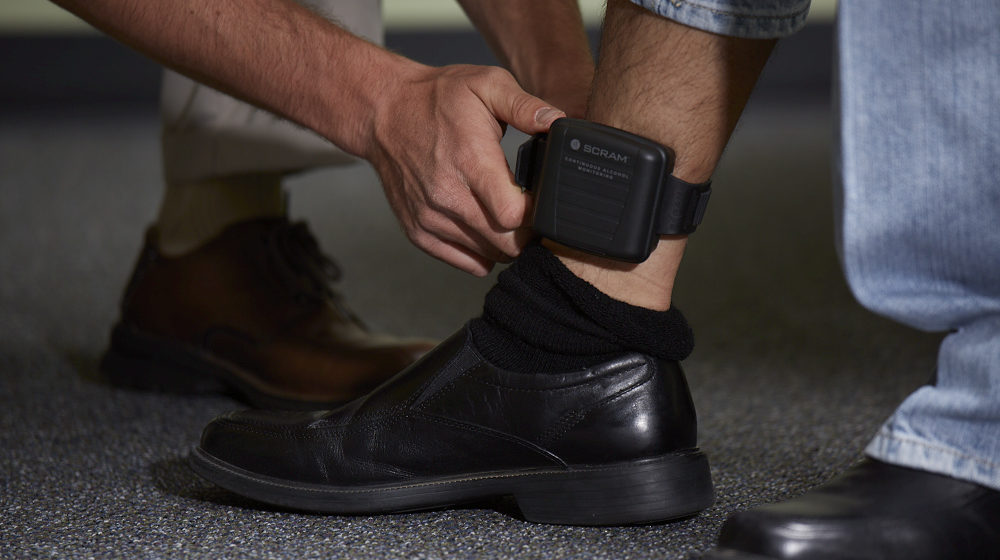
An alcohol ankle monitor is a device worn around the ankle. It helps track alcohol consumption by measuring alcohol levels through the skin. These monitors support courts, employers, and treatment programs in monitoring sobriety. They provide real-time data to ensure compliance with alcohol restrictions. Understanding how these devices work is key to seeing their role in recovery and legal settings.
Purpose And Use Cases
Alcohol ankle monitors detect alcohol in the body continuously. Courts use them to supervise offenders with alcohol-related issues. Employers may require them for staff in safety-sensitive jobs. Treatment centers use monitors to support patients in recovery. They help reduce relapses by providing clear evidence of alcohol use.
Types Of Alcohol Monitors
There are two main types of alcohol monitors. The first type measures alcohol through the skin using sensors. The second type requires breath samples at set times. Some models combine both methods for accuracy. Monitors vary in size, battery life, and data transmission features. Selection depends on the needs of the program or court order.
Technology Behind The Device
The technology behind an alcohol ankle monitor is designed to track alcohol use continuously and accurately. It uses advanced sensors to detect alcohol levels through the skin. This method is less invasive than breath or blood tests. The device works quietly and automatically, providing real-time data to authorities.
Transdermal Alcohol Detection
The device measures alcohol that leaves the body through the skin. This process is called transdermal alcohol detection. When a person drinks, alcohol moves from the bloodstream to sweat glands. The monitor senses tiny amounts of alcohol in sweat. This method detects drinking even hours after consumption.
Sensor Components
The monitor includes several key sensors. A fuel cell sensor detects alcohol molecules on the skin. A temperature sensor ensures accurate readings by adjusting for body heat. A motion sensor tracks if the device is tampered with or removed. These components work together to keep the data reliable.
Data Collection Process
The device collects data at regular intervals throughout the day. It sends this data wirelessly to a monitoring center. Alerts are sent if alcohol is detected or if the device is removed. This constant monitoring helps ensure compliance with court orders or treatment programs. The data is stored securely for review by authorized personnel.
How Monitoring Works In Practice
An alcohol ankle monitor tracks a person’s alcohol use by measuring alcohol levels through the skin. It is worn around the ankle like a bracelet. The device collects alcohol data and sends it to a monitoring center. This process helps ensure compliance with court orders or treatment programs.
The way the device checks alcohol varies. It can take samples continuously or at random times. The data collected is sent using different methods. Alerts notify supervisors if alcohol is detected. Understanding these steps shows how the monitor works in real life.
Continuous Vs. Random Sampling
Continuous sampling means the device measures alcohol levels all the time. It checks the skin every 30 minutes or so. This method gives detailed information about drinking habits.
Random sampling tests alcohol at unpredictable times. It reduces the chance of cheating the system. The device may only take a few samples each day. Both methods help catch alcohol use effectively.
Data Transmission Methods
The ankle monitor sends data to a central system for review. It uses wireless signals like cellular or Bluetooth. Some devices store data and send it later. The transmission is secure to protect privacy. Quick data transfer helps supervisors act fast.
Alerts And Notifications
The monitor sends alerts if alcohol is detected. Notifications go to the user and the monitoring team. Alerts can be sent by text, email, or app. Immediate warnings help stop further drinking. This system supports accountability and safety.
Credit: lextox.co.uk
Accuracy And Limitations
An alcohol ankle monitor measures alcohol levels through the skin. It uses a sensor that detects alcohol vapor from sweat. The device sends data to a monitoring center. Accuracy is important for fair results and proper monitoring.
This technology works well but has limits. Various factors can change readings. Understanding these helps users trust the device and know its boundaries.
Factors Affecting Readings
Skin condition can affect sensor performance. Dry or dirty skin may cause errors. Sweating levels also change results. More sweat can give higher readings. The device placement matters too. A loose or tight fit can alter data. Environmental factors like heat and humidity play a role. They may interfere with sensor accuracy.
Common Challenges
Monitors may have trouble with quick alcohol changes. Sudden drinking might not show immediately. Physical activity can affect results too. Intense exercise changes sweat and skin temperature. Device maintenance is necessary to keep accuracy. Dirt or damage can cause false readings. Battery life also impacts performance. Low battery may reduce data quality.
False Positives And Negatives
False positives happen when the device shows alcohol but none is consumed. Cleaning products or mouthwash with alcohol can cause this. False negatives occur when alcohol is present but not detected. This can happen if the monitor loses contact with skin. Both cases affect trust in the device. Proper use and care reduce these errors.
Privacy And Legal Implications
Alcohol ankle monitors collect sensitive personal data. This raises important questions about privacy and legal matters. People wearing these devices must understand how their information is protected and what laws apply.
Data Security Measures
Data from alcohol monitors is stored securely. Encryption keeps the information safe from hackers. Only authorized personnel can access the data. Regular updates help protect against new threats. The goal is to prevent unauthorized access and leaks.
Legal Requirements For Use
Laws regulate how and when alcohol monitors are used. Courts often require their use for monitoring offenders. Consent and proper notice are usually mandatory. Users have rights to privacy under these laws. Violating these rules can lead to legal consequences.

Credit: www.scramsystems.com
Future Innovations
The future of alcohol ankle monitors looks promising. New technology aims to make these devices more accurate and user-friendly. Innovations will help monitor alcohol use better and provide clearer data. This will support courts, doctors, and users in managing alcohol consumption effectively.
Improved Sensor Technology
New sensors will detect alcohol levels more precisely. They will respond faster to changes in the wearer’s sweat. This means fewer false alarms and better tracking. Smaller, lighter sensors will increase comfort for users. Battery life will also improve, reducing the need for frequent charging.
Integration With Other Monitoring Systems
Future devices may connect with GPS and health trackers. This will give a fuller picture of a person’s behavior and health. Data from different sources will combine for better reports. Authorities can track compliance and risks more efficiently. Users might also get helpful feedback to support their recovery.

Credit: www.iprwyoming.org
Frequently Asked Questions
What Is An Alcohol Ankle Monitor?
An alcohol ankle monitor is a wearable device that detects alcohol consumption. It measures alcohol levels through sweat, providing real-time monitoring for courts or treatment programs.
How Does An Alcohol Ankle Monitor Detect Alcohol?
The monitor uses sensors to analyze sweat for alcohol content. It continuously tracks and records data, alerting authorities if alcohol is detected.
Who Uses Alcohol Ankle Monitors?
Courts, probation officers, and rehabilitation programs use these devices. They ensure compliance with alcohol restrictions and support sobriety monitoring.
Can Alcohol Ankle Monitors Be Tampered With?
The devices have anti-tampering features and alerts. Any attempt to remove or interfere with the monitor triggers notifications to authorities.
Conclusion
An alcohol ankle monitor helps track alcohol use clearly and quickly. It sends real-time data to authorities for easy monitoring. The device fits comfortably and works all day and night. Users can stay safe while proving sobriety to courts or employers.
This technology supports healthier choices and accountability. It acts as a useful tool for many people. Understanding how it works can reduce fear or doubt. Overall, the monitor offers a practical way to control alcohol use. Simple, effective, and reliable.
As an Amazon Associate, I earn from qualifying purchases.

