
As an Amazon Associate, I earn from qualifying purchases.
Have you ever wished you could see every angle around your car without turning your head? Imagine having eyes all around your vehicle, helping you park perfectly, avoid obstacles, and drive with confidence.
That’s exactly what a 360 camera on a car does. But how does this clever technology work to give you a full view of your surroundings? You’ll discover the secrets behind the 360 camera system and how it makes your driving safer and easier.
Keep reading—you’ll be amazed at what’s happening right under your nose every time you get behind the wheel.
Credit: kritikalsolutions.com
360 Camera Basics
A 360 camera on a car helps drivers see all around their vehicle. It shows a complete view from above. This view makes parking and driving safer. The camera system uses several parts to create a clear image. Understanding the basics explains how this technology works.
Key Components
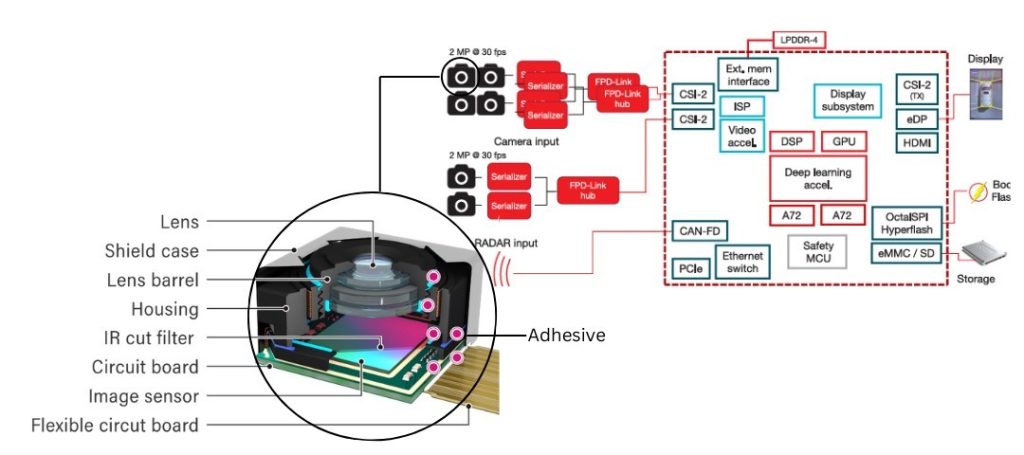
The 360 camera system has several key parts. It includes multiple wide-angle cameras placed around the car. There is a control unit that processes the images. The system also has software to combine these images. A display screen inside the car shows the final view to the driver.
Camera Placement
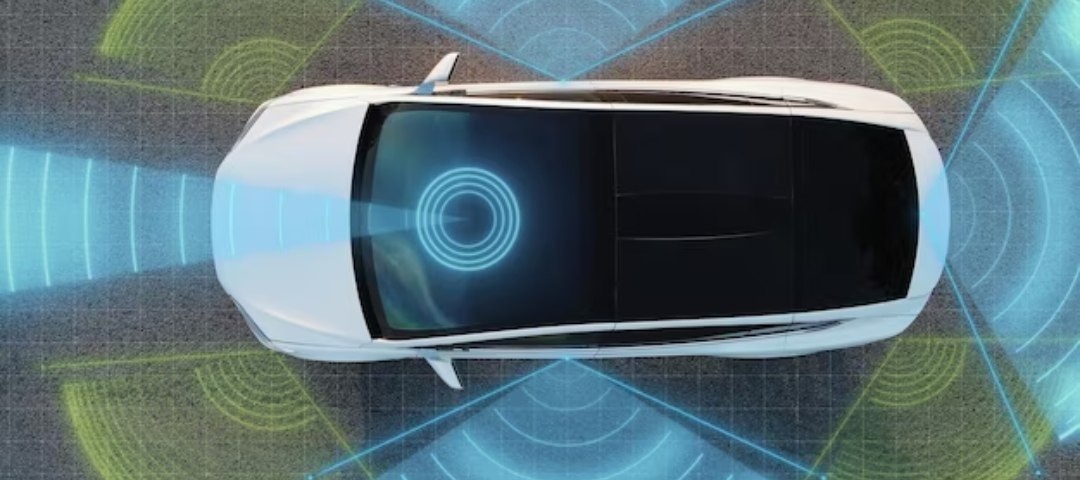
Cameras are placed at key points on the car. Usually, one is on the front grille. Others go on the side mirrors. One more camera is at the back near the license plate. This setup captures views from all directions. The cameras cover blind spots and hard-to-see areas.
Image Stitching Process
The system takes images from all cameras at once. Then it uses software to join these images together. This process is called image stitching. The software blends edges to make a smooth view. The final image looks like a bird’s-eye view around the car. This helps the driver see everything clearly.
Types Of 360 Cameras
360 cameras on cars come in various types. Each type offers different features and installation methods. Understanding these types helps you choose the right camera for your needs.
Wired Vs Wireless Systems
Wired 360 camera systems connect directly to the car’s power and display. They often provide stable video quality with less delay. Installation can be more complex due to cables running inside the vehicle.
Wireless systems use Wi-Fi or Bluetooth to send video signals. They are easier to install and do not require extensive wiring. Wireless cameras might face signal interference or delay in some cases.
Integrated Vs Aftermarket Cameras
Integrated 360 cameras come built into the car by the manufacturer. These systems fit perfectly and work seamlessly with the vehicle’s controls. They often include advanced features like automatic activation and parking assistance.
Aftermarket cameras are added after buying the car. They offer more flexibility in brand and price. Installation can vary in difficulty, and sometimes they need additional devices to work properly.
How 360 Cameras Enhance Driving
360 cameras provide a complete view around the car. They combine images from multiple cameras. This creates a clear, bird’s-eye view on the screen. Drivers see obstacles, other cars, and pedestrians easily. This technology helps drivers make safer, smarter decisions.
The cameras work in real-time. This means the view changes as the car moves. It reduces blind spots and improves awareness. Drivers feel more confident in tight spaces and busy streets.
Parking Assistance
360 cameras make parking easier. The system shows a full view of the car’s surroundings. Drivers can see curbs, walls, and other vehicles. This helps avoid bumps and scratches. Parallel parking and tight spots become less stressful. It saves time and reduces damage risks.
Blind Spot Detection
Blind spots cause many accidents. 360 cameras cover these hidden areas. They alert drivers to cars or objects nearby. This reduces lane change risks. The system gives extra eyes where mirrors cannot reach. It helps prevent dangerous surprises on the road.
Improved Safety Features
360 cameras support many safety systems. They work with sensors and alarms. The system warns about obstacles and pedestrians. It aids in avoiding collisions. Emergency braking and lane-keeping assist improve with camera input. Overall, the car becomes more aware and safer to drive.
Technical Features
The technical features of a 360 camera in a car shape its performance and usefulness. These features work together to give drivers a clear view around their vehicle. Understanding these elements helps explain how the camera provides a seamless driving experience.
Resolution And Image Quality
The resolution of a 360 camera is key to its image clarity. Higher resolution means sharper pictures and better detail. This allows drivers to see small objects and obstacles clearly. Good image quality also helps in low light conditions, such as at night or in bad weather.
Real-time Video Processing
Real-time video processing combines images from multiple cameras instantly. It creates a single, smooth panoramic view around the car. This process reduces delay, so drivers see live footage without lag. Fast processing improves safety by showing immediate surroundings accurately.
Sensor Technology
The sensors in a 360 camera detect light and motion. They adjust to different lighting conditions automatically. Advanced sensors capture wide angles without distortion. These sensors work together to provide a complete and accurate view around the vehicle.
Installation And Calibration
Installing and calibrating a 360 camera on a car is a careful process. It ensures the system works well and shows a clear view around the vehicle. Proper setup helps avoid blind spots and improves safety. The steps include placing cameras in the right spots, setting up software, and fine-tuning the system.
Mounting The Cameras
Cameras must be placed at strategic points around the car. Common spots are the front grille, side mirrors, and rear bumper. Each camera needs a solid mount to avoid shaking. Correct angles are important to cover all sides. Proper mounting prevents image overlap or blind areas.
Software Setup
After mounting, connect the cameras to the car’s system. The software controls the camera views and stitches images together. Install the software and follow instructions to link all cameras. The system often includes options to adjust brightness and contrast. This step ensures clear and balanced images.
Calibration Techniques
Calibration aligns camera images into a single 360-degree view. The car is usually parked on a flat surface during calibration. Some systems use markers or patterns to help align cameras. Calibration software adjusts each camera’s position and angle digitally. Accurate calibration removes distortions and creates a smooth view.

Credit: dashcameras.net
Troubleshooting Common Issues
360 cameras on cars improve safety and parking ease. Sometimes, these cameras face issues. Knowing how to fix common problems helps keep the system working well. Troubleshooting is simpler with clear steps.
Image Distortion
Image distortion makes the view look warped or unclear. Dirt or water on the lens often causes this. Clean the lens gently with a soft cloth. Avoid harsh chemicals that can damage it. Check for cracks or scratches that affect the image. Adjust the camera angle if the picture looks stretched.
Connectivity Problems
Connectivity problems stop the camera from showing images on the screen. Loose cables or poor connections are common causes. Check all wires and plugs for secure fit. Reset the car’s infotainment system to refresh connections. Bluetooth or Wi-Fi issues can also disrupt the feed. Re-pair the device or restart the system to fix this.
Software Glitches
Software glitches cause the camera to freeze or not respond. Update the camera’s software regularly to avoid bugs. Follow the car manufacturer’s instructions for updates. Restart the car’s system to clear temporary errors. If problems continue, a factory reset might be needed. Contact support if the issue persists after these steps.
Future Trends In 360 Camera Technology
360 cameras on cars are evolving fast. The future holds exciting changes that will make these systems smarter and more useful. New technology will improve safety and driving comfort. These trends will shape how we use 360 cameras in cars soon.
Ai Integration
Artificial intelligence will help cameras understand surroundings better. AI can detect objects like pedestrians and other vehicles quickly. It can also predict possible dangers on the road. This makes driving safer and easier. AI will help cameras react to different situations in real-time.
Enhanced Image Processing
Future cameras will produce clearer and sharper images. They will work well in low light and bad weather. Advanced image processing will reduce glare and distortions. This means drivers see a true view around the car. Faster processing will provide smoother video and real-time updates.
Augmented Reality Applications
Augmented reality will add useful information to the camera view. Drivers can see navigation arrows and warnings directly on the screen. AR will highlight obstacles and safe paths visually. This will make parking and tight maneuvers simpler. Augmented reality will blend camera images with helpful data for better driving decisions.
Credit: kritikalsolutions.com
Frequently Asked Questions
How Does A 360 Camera Capture Car Surroundings?
A 360 camera uses multiple wide-angle lenses to capture all angles around a car. It stitches these images together to create a seamless bird’s-eye view. This helps drivers see obstacles and enhances parking safety.
What Technology Enables 360 Cameras On Cars?
360 cameras rely on fisheye lenses and image stitching software. These technologies combine multiple camera feeds into one panoramic image. The system often integrates with parking sensors for accurate surroundings display.
How Do 360 Cameras Improve Driving Safety?
360 cameras eliminate blind spots by providing a complete view around the vehicle. This helps prevent collisions with pedestrians, other cars, and objects. It is especially useful during parking and tight maneuvers.
Are 360 Cameras Compatible With All Car Models?
Most modern cars can be fitted with 360 camera systems, either factory-installed or aftermarket. Compatibility depends on the vehicle’s wiring and display system. Professional installation ensures proper integration and functionality.
Conclusion
A 360 camera gives drivers a full view around their car. It uses several small cameras placed on the vehicle’s sides. These cameras work together to create one clear picture. This helps drivers park and avoid obstacles easily. The system updates in real-time, making it very useful on the road.
Understanding how it works can make driving safer and simpler. This technology adds confidence behind the wheel every day.
As an Amazon Associate, I earn from qualifying purchases.
