
Have you ever wondered how an ankle monitor actually works? If you or someone you know is facing legal restrictions, understanding this device can make a big difference.
Ankle monitors might seem complicated, but they use simple technology to track movement and ensure safety. You’ll discover exactly how these devices keep you connected and monitored, helping you stay on the right path without feeling overwhelmed. Keep reading to learn how an ankle monitor works and why it might be easier to handle than you think.
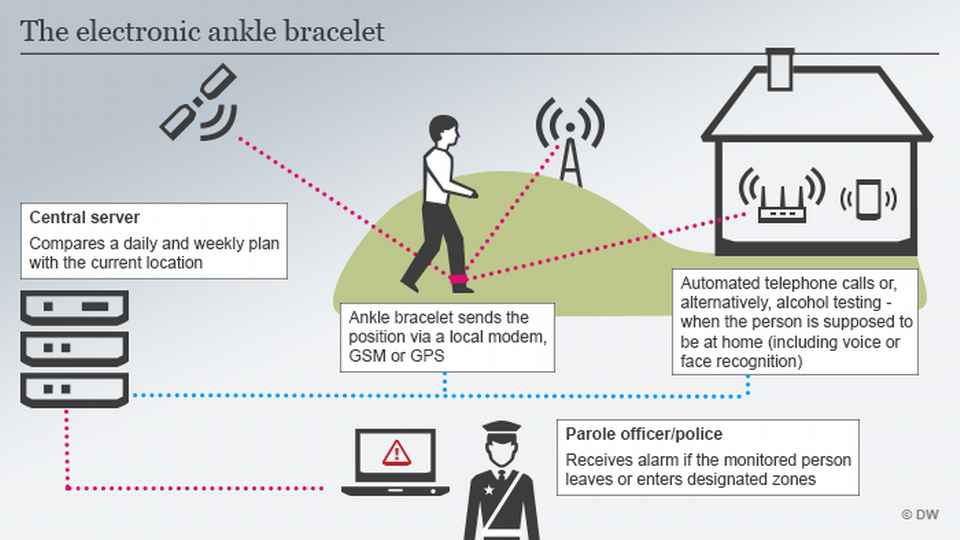
Credit: www.dw.com
Ankle Monitor Basics
Ankle monitors are devices used to track a person’s movements. They help ensure people follow court orders or legal restrictions. These devices send data to authorities about the wearer’s location. They are a common tool in criminal justice and probation systems.
Understanding the basics of ankle monitors is important. It helps people know how they work and why they are used. The following sections explain their purpose, usage, and the types available.
Purpose And Usage
Ankle monitors are mainly used to track offenders outside jail. They allow people to stay at home while under legal watch. Courts use them to enforce house arrest or probation rules. These devices provide real-time location data to authorities. They reduce the need for physical jail time. This helps lower prison populations and saves costs. Ankle monitors also ensure public safety by preventing rule violations.
Types Of Ankle Monitors
Several types of ankle monitors exist, each with different features. GPS monitors track exact locations using satellite signals. They can alert authorities if someone leaves allowed areas. Radio frequency (RF) monitors check if the wearer stays near a base unit. These are often used for home confinement. Alcohol detection monitors measure alcohol use through the skin. Some models combine features to meet specific needs. The choice depends on court orders and monitoring goals.

Credit: ampprobation.com
Core Components
The ankle monitor relies on several key parts to work properly. These parts work together to track location and send information. Understanding these core components helps explain how the device keeps people monitored.
Tracking Technology
The device uses GPS to find the wearer’s location. It can also use radio signals for short distances. This helps track movement inside buildings or areas without GPS. The technology updates location data at set times. This keeps the monitoring accurate and timely.
Communication Systems
The monitor sends data through cellular networks. It uses signals similar to a mobile phone. The data goes to a central system for review. This system alerts authorities if rules are broken. The communication keeps the monitoring team informed in real time.
Power Source
The ankle monitor runs on a rechargeable battery. The battery life can last several days. Users must charge it regularly to avoid shutdown. The device also has low-battery alerts. This ensures continuous operation and reliable tracking.
Monitoring Features
Ankle monitors come with various features to track and report movements. These features help authorities keep an eye on individuals under supervision. The technology inside these devices works quietly and efficiently. It ensures safety and compliance without constant manual checks.
Location Tracking
The ankle monitor uses GPS to find exact locations. It sends this data to monitoring centers regularly. This helps track where the person wearing it moves throughout the day. The system can show real-time locations on a map. This feature ensures the person stays within allowed areas.
Geofencing Capabilities
Geofencing sets virtual boundaries on the map. The ankle monitor alerts if these boundaries are crossed. This means the wearer must stay inside certain zones. Authorities receive instant notifications if the rules are broken. This tool helps enforce restrictions like house arrest or curfews.
Tamper Alerts
The monitor detects if someone tries to remove or damage it. Sensors inside the device trigger alarms for tampering attempts. These alerts warn officials quickly to prevent escape or rule-breaking. The wearer knows the device is always being checked for safety.
Data Transmission
The ankle monitor relies on efficient data transmission to track the wearer accurately. This process ensures that the monitoring system works smoothly and sends the right information at the right time. The device gathers data and sends it to a control center where it is checked and stored.
Signal Relay
The ankle monitor uses wireless signals to send data. It connects to a small device called a transmitter, often worn on the body. This transmitter sends signals to a nearby receiver, usually located in the home or vehicle. The receiver then forwards the data to a central monitoring system. This chain helps keep the location and status of the wearer updated continuously.
Data Storage
All information from the ankle monitor is stored securely. The central system saves data for later review by officials. This storage includes details like movement patterns and any attempts to tamper with the device. Keeping data safe and organized helps ensure reliable monitoring and quick responses when needed.
Real-time Updates
The system provides updates in real time. This means monitoring staff can see where the wearer is at any moment. Any rule violations trigger immediate alerts. Quick updates help officials act fast and maintain the safety of the community. Real-time data transmission is key to effective ankle monitor use.
User Interaction
User interaction with an ankle monitor plays a key role in its effectiveness. The device must be worn properly and cared for daily. Users need to follow specific rules to avoid problems. Understanding these steps helps users stay compliant and avoid penalties.
Wearing And Maintenance
The ankle monitor fits securely around the ankle. It should not be removed or tampered with. Users should check the device every day. Keep the monitor clean and dry. Avoid hitting or bending the device. Report any damage or issues to the monitoring officer immediately. Proper care ensures the device works correctly without interruption.
Compliance Requirements
Users must follow strict rules while wearing the monitor. The device tracks location and sends alerts if rules are broken. Users cannot leave approved areas without permission. They must charge the device as instructed. Ignoring these rules can lead to fines or jail time. Staying compliant helps users complete their monitoring period smoothly.
Benefits And Limitations
Ankle monitors provide clear benefits but also have limits. They help control offenders outside jail. This technology supports law enforcement and keeps communities safer. Yet, ankle monitors are not perfect. Some issues affect how well they work.
Advantages For Law Enforcement
Law enforcement uses ankle monitors to track location 24/7. This reduces the need for jail space. Officers get real-time alerts if someone leaves allowed areas. It helps officers focus on high-risk cases. The devices also lower costs compared to keeping people in prison. Monitoring offenders remotely promotes better community safety.
Challenges And Constraints
Some offenders find ways to tamper with the device. Battery life limits how long monitoring lasts without recharge. Signal loss can cause gaps in tracking data. Privacy concerns arise over constant surveillance. Not all crimes suit ankle monitoring as a solution. Technical glitches may lead to false alarms. These challenges require ongoing improvements and careful use.

Credit: www.vox.com
Frequently Asked Questions
How Does An Ankle Monitor Track Location?
An ankle monitor uses GPS or radio signals to track a person’s location. It sends real-time data to a monitoring center. This helps authorities ensure compliance with restrictions like house arrest or parole.
What Technology Powers Ankle Monitor Devices?
Ankle monitors use GPS, radio frequency, and cellular technology. These technologies enable continuous tracking and communication with monitoring centers. The device is battery-powered and designed for long-term wear.
Can Ankle Monitors Detect Tampering Or Removal?
Yes, ankle monitors have sensors that detect tampering or removal attempts. Alerts are sent immediately to monitoring authorities. This ensures the individual complies with court or parole conditions.
Who Typically Uses Ankle Monitors?
Ankle monitors are used by courts, parole officers, and law enforcement. They monitor individuals on house arrest, probation, or pretrial release. The device helps reduce jail overcrowding and increase public safety.
Conclusion
Ankle monitors track movement and location continuously. They help courts and officers ensure rules are followed. The device sends real-time data for monitoring. It is small, lightweight, and hard to remove. People wear them as an alternative to jail. This technology supports safer and fairer justice.
Understanding how they work clears many doubts. It shows how justice uses technology today.
As an Amazon Associate, I earn from qualifying purchases.

