Are you tired of throwing away food that spoils too quickly? You’re not alone.
Knowing exactly how long vacuum sealed food lasts in the fridge can save you time, money, and stress. Imagine opening your fridge and seeing perfectly fresh meals ready to enjoy, days or even weeks after you stored them. You’ll discover the secrets to maximizing your food’s shelf life with vacuum sealing.
Keep reading to learn how to keep your food fresh longer and make your fridge work smarter for you.
Vacuum Sealing Basics
Vacuum sealing is a popular way to store food safely and keep it fresh longer. It involves removing air from the packaging and sealing it tightly. This process slows down the growth of bacteria and mold that cause food to spoil. Understanding the basics of vacuum sealing helps you use it effectively in your kitchen.
Many people use vacuum sealing to extend the life of meats, vegetables, and leftovers. It works by creating a tight seal that blocks air and moisture from reaching the food. This simple step can save money and reduce food waste.
How Vacuum Sealing Works
Vacuum sealing machines suck air out of the bag containing the food. The bag is then sealed with heat to close it tightly. Without air, bacteria and mold cannot grow quickly. This keeps the food fresh for a longer time. The seal also stops moisture from entering and drying out the food.
Benefits Of Vacuum Sealing
Vacuum sealing helps preserve flavor and texture. Foods stay fresher and taste better. It also prevents freezer burn on frozen items. Vacuum-sealed food takes up less space in the fridge or freezer. This method reduces waste by keeping food edible longer. It saves money by allowing you to buy in bulk and store safely.
Credit: www.foodsaver.ca
Shelf Life Of Common Foods
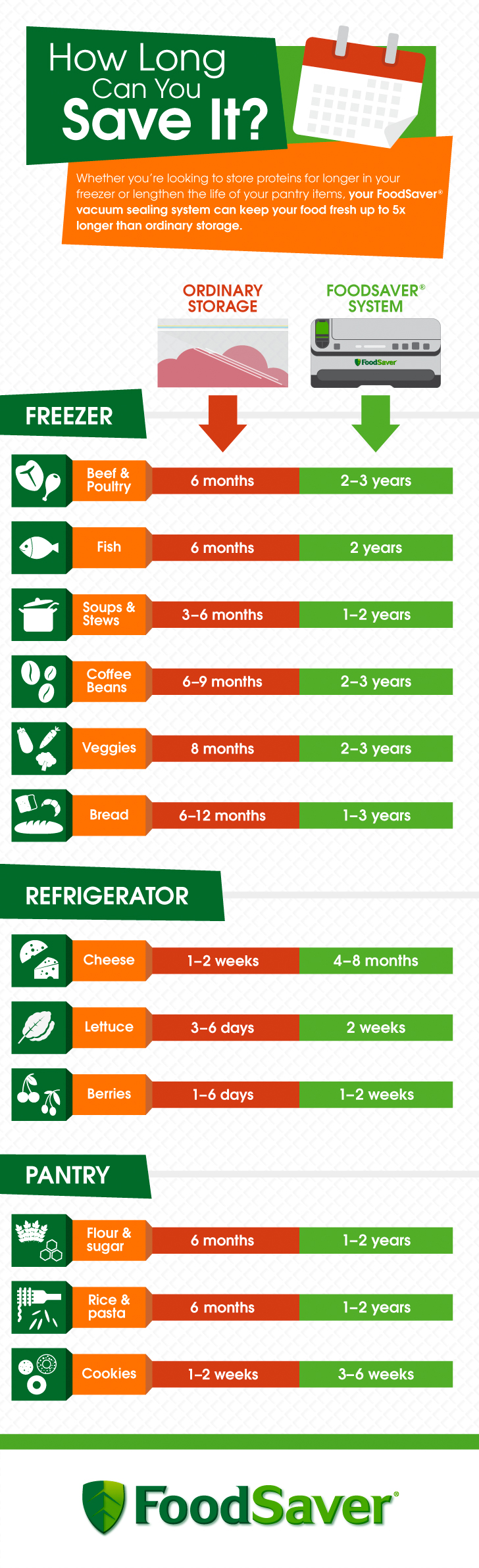
Vacuum sealing helps keep food fresh longer by removing air and slowing down spoilage. Different foods last different times in the fridge when vacuum sealed. Knowing the shelf life helps reduce waste and keeps food safe to eat.
Here is a guide to how long common foods last in the fridge when vacuum sealed.
Meat And Poultry
Vacuum sealed raw meat and poultry stay fresh for 1 to 2 weeks in the fridge. This is longer than the usual 1 to 3 days for unpackaged meat. Cooked meat can last about 2 weeks when vacuum sealed.
Seafood
Fresh seafood lasts about 3 to 5 days vacuum sealed in the fridge. Fish and shellfish spoil quickly without air. Cooked seafood can keep for up to 1 week when sealed properly.
Fruits And Vegetables
Vacuum sealing fruits and vegetables slows spoilage and mold growth. Most fruits last 1 to 2 weeks in the fridge when sealed. Vegetables can last 1 to 3 weeks depending on type and freshness.
Dairy Products
Cheese lasts 3 to 4 weeks vacuum sealed in the fridge. Milk and yogurt last about 1 week longer than usual when sealed. Butter can keep fresh for 1 to 2 months when vacuum sealed.
Cooked Meals
Vacuum sealed cooked meals can last 2 to 3 weeks in the fridge. Keep meals cool before sealing. This method helps keep flavors and textures better than regular storage.
Factors Affecting Food Longevity
Several factors influence how long vacuum-sealed food lasts in the fridge. Understanding these helps keep food fresh longer and safe to eat. Each factor plays a key role in preserving the quality and safety of your food.
Storage Temperature
The fridge temperature affects food longevity greatly. Keep your fridge below 40°F (4°C) to slow bacteria growth. Warmer temperatures can spoil vacuum-sealed food faster. Use a fridge thermometer to check the exact temperature. Consistent cold keeps food fresh and safe longer.
Food Quality Before Sealing
Fresh food lasts longer when vacuum sealed. If food is already old or starting to spoil, sealing won’t fix it. Use fresh meat, vegetables, or leftovers for best results. Wash and dry food properly before sealing. Good quality food ensures longer shelf life in the fridge.
Seal Integrity
The vacuum seal must be tight and without leaks. Air entering the bag speeds up spoilage. Check bags for holes or weak spots before and after sealing. Use a quality vacuum sealer for strong seals. Proper sealing traps air out and extends food life.
Credit: www.foodsaver.com
Signs Of Spoilage
Knowing the signs of spoilage helps you avoid eating bad food. Vacuum sealing keeps food fresh longer, but it does not stop spoilage forever. Watch your food carefully to stay safe and reduce waste.
Visual Indicators
Check for any color changes in the food. Dark spots or unusual colors can mean spoilage. Mold growth inside the bag is a clear sign to throw the food away. Look for swollen or leaking bags, which show gas buildup from bacteria.
Smell Changes
Bad odors are a strong sign of spoiled food. Sour, rotten, or strange smells mean the food is unsafe. Even if the food looks okay, a bad smell means it should be discarded. Trust your nose to detect spoilage early.
Texture Differences
Feel the food’s texture through the bag or after opening it. Slimy or sticky surfaces show bacterial growth. Mushy or overly soft textures often mean the food is bad. Fresh food keeps its normal firmness and texture inside vacuum bags.
Tips For Extending Freshness
Keeping vacuum sealed food fresh in the fridge takes care and smart habits. Small steps can make a big difference. These tips help food last longer and stay tasty.
Proper Sealing Techniques
Make sure the bag is clean and dry before sealing. Remove as much air as possible to stop bacteria growth. Use the right vacuum sealer for your bags. Double seal the edges for extra protection. Avoid overfilling the bag to ensure a tight seal.
Best Fridge Practices
Store vacuum sealed food in the coldest part of the fridge. Keep the fridge temperature below 40°F (4°C). Avoid opening the fridge often to maintain steady coldness. Place packages flat to save space and cool evenly. Check seals regularly for any air leaks or damage.
Freezing Vacuum Sealed Food
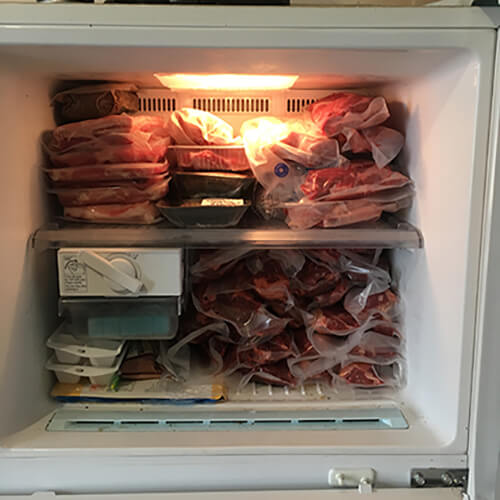
Freezing extends the life of vacuum sealed food by months. Use freezer-safe bags made for low temperatures. Label bags with the date before freezing. Thaw frozen food slowly in the fridge for best taste. Avoid refreezing thawed food to keep quality high.
Common Mistakes To Avoid
Vacuum sealing food helps keep it fresh longer in the fridge. Yet, many people make simple mistakes that reduce the food’s shelf life. Avoiding these errors keeps your food safe and tasty. Here are some common mistakes to avoid when vacuum sealing food.
Sealing Wet Foods Improperly
Wet foods need special care before sealing. Moisture can stop the vacuum from working well. Always dry food surfaces or freeze wet foods first. This helps the bag seal tightly and stops bacteria growth.
Ignoring Expiration Dates
Vacuum sealing slows spoilage but does not stop it. Always check the original expiration date. Do not keep food past this date, even if sealed. Eating expired food can cause illness and waste your effort.
Reusing Bags Incorrectly
Reusing vacuum bags is tempting but risky. Old bags may have holes or bacteria inside. Always use new bags for raw or cooked food. This keeps food safe and keeps the seal strong.
Credit: www.foodvacuumsealers.com.au
Frequently Asked Questions
How Long Does Vacuum Sealed Food Last In Fridge?
Vacuum sealed food lasts 1 to 2 weeks in the fridge. It stays fresh longer by reducing oxygen exposure. Always check for spoilage before use.
Does Vacuum Sealing Extend Meat’s Fridge Shelf Life?
Yes, vacuum sealing can extend meat’s fridge shelf life by up to 2 weeks. It slows bacterial growth and keeps meat fresher.
Can Vacuum Sealed Vegetables Last Longer In Fridge?
Vacuum sealed vegetables last about 1 to 2 weeks in the fridge. Sealing slows spoilage but doesn’t stop it entirely. Store at proper temperature.
Is It Safe To Eat Vacuum Sealed Food After Expiration?
It’s best to avoid eating vacuum sealed food past expiration. Spoilage risks increase even when sealed. Check appearance, smell, and texture before consuming.
Conclusion
Vacuum sealing helps food last longer in the fridge. It slows down spoilage by reducing air exposure. Most vacuum-sealed foods stay fresh for weeks. Always check for signs of spoilage before eating. Keep your fridge temperature steady and cold. Proper storage extends food life and reduces waste.
Vacuum sealing is a smart way to save food. Store food right to enjoy freshness and flavor. Simple steps make a big difference in food safety. Keep your meals fresh and tasty every day.
As an Amazon Associate, I earn from qualifying purchases.