
Are you wondering how long you need to wear a Holter monitor? If you’ve been told to use one, you might be feeling curious or even a bit anxious about what to expect.
Knowing the right duration is key to getting accurate results and understanding your heart’s health better. You’ll discover exactly how long you should wear your Holter monitor and why that time frame matters for your diagnosis. Keep reading to clear up any doubts and feel more confident about the process ahead.
Credit: my.clevelandclinic.org
Purpose Of A Holter Monitor
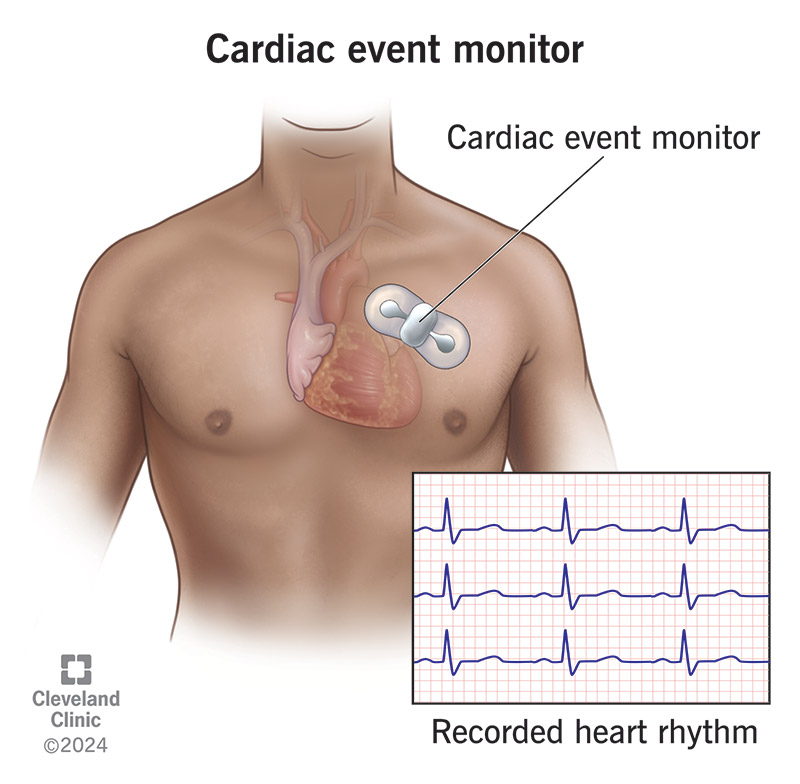
A Holter monitor is a small device that records your heart’s activity. It helps doctors understand how your heart works over time. This tool captures heartbeats continuously for a day or more. It shows heart rhythms during normal daily activities, not just in the clinic.
The monitor can catch irregular heartbeats that might not appear during a short exam. It also helps to see how well treatments for heart problems work. People with dizziness, chest pain, or palpitations often use this device for clearer diagnosis.
Detecting Irregular Heartbeats
One main use of a Holter monitor is spotting irregular heartbeats. These can be too fast, too slow, or uneven. Some problems only happen occasionally and are hard to catch. The monitor records these events as they happen during daily life.
Evaluating Heart Treatment
Doctors use Holter data to check if medicines or devices help the heart. It shows if treatments reduce symptoms or fix rhythm problems. This helps doctors adjust treatments for better results.
Monitoring Symptoms During Daily Activities
The Holter monitor tracks heart activity while you work, rest, or sleep. It links symptoms like dizziness to heart rhythms. This helps find the cause of symptoms that don’t show in a short test.
Credit: myheart.net
Typical Wear Duration
Knowing how long to wear a Holter monitor helps you prepare for the test. The typical wear duration depends on the heart condition and the doctor’s instructions. Most patients wear the device for a short time to track heart activity effectively.
Standard Monitoring Period
The usual wear time for a Holter monitor is 24 to 48 hours. This period captures daily heart rhythms and detects irregular beats. Wearing the monitor this long gives doctors enough data to understand your heart’s behavior. It is easy to manage and fits most daily routines.
Extended Monitoring Options
Some cases need longer monitoring, lasting up to 7 or 14 days. Extended wear helps catch rare or sporadic heart issues. These longer tests use smaller, lightweight devices for comfort. Longer monitoring increases the chance to find hidden heart problems.
Factors Influencing Wear Time
Several factors affect how long a Holter monitor should be worn. The wear time varies based on the heart condition, doctor’s advice, and symptoms experienced. Understanding these factors helps patients follow the right monitoring plan. It also ensures accurate heart activity recording.
Type Of Heart Condition
The heart condition plays a key role in wear time. Some conditions need longer monitoring for accurate diagnosis. For example, irregular heartbeats may require 24 to 48 hours. Other issues might need a full week. The doctor decides based on the condition’s severity.
Doctor’s Recommendations
Doctors give specific instructions for wearing the Holter monitor. They consider the patient’s health and test goals. Some may ask for 24 hours, others longer. Following the doctor’s plan is important. It helps catch any heart problems effectively.
Patient’s Symptoms
Symptoms influence how long the monitor is worn. If symptoms appear often, a short wear time may work. Rare or unpredictable symptoms might need longer monitoring. Patients should report any new or worsening symptoms. This helps doctors adjust the monitoring period.
Preparing For Holter Monitoring
Preparing for Holter monitoring is a key step for accurate heart data. The monitor records your heart’s activity for 24 to 48 hours. Proper preparation helps avoid errors and ensures comfort during the test.
What To Expect
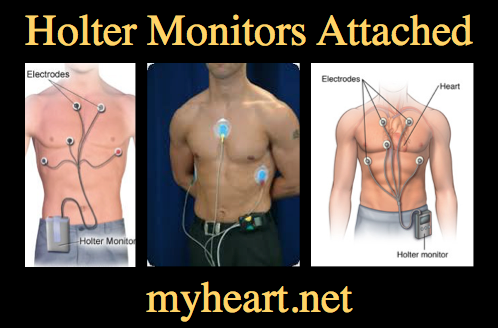
The Holter monitor is a small device attached to your chest. Electrodes connect the device to your skin with sticky patches. You will carry the monitor in a pouch or belt.
The device records heart rhythms continuously. You can move, eat, and sleep normally. The monitor does not cause pain or limit your daily activities.
Clothing And Activity Guidelines
Wear loose, comfortable clothes to allow easy access to your chest. Avoid tight shirts or outfits that may pull on the electrodes. Button-up shirts are a good choice for easy removal.
Do not bathe or swim while wearing the monitor. Keep the device dry to avoid damage. Limit activities that cause heavy sweating. Avoid strong magnetic fields or metal detectors.
Daily Life With A Holter Monitor
Wearing a Holter monitor means carrying a small device that records your heart’s activity. This device helps doctors understand your heart’s rhythm over a period, usually one to two days. Adjusting to daily life with the monitor can feel different at first. Yet, many find ways to stay comfortable and keep their routine.
Maintaining Comfort
Wear loose clothing to avoid pressure on the monitor and wires. Avoid heavy sweating, as moisture can affect the device. Take care when showering; the monitor should not get wet. Try to sleep on your back or side to prevent pulling on the wires. Small changes can make wearing the monitor easier and less distracting.
Recording Symptoms And Activities
Keep a diary of your activities and any symptoms you feel. Note the time of each event clearly. Write down heart-related feelings like palpitations or dizziness. Also, record daily activities like walking, eating, or resting. This information helps doctors link symptoms to heart data for better diagnosis.
After The Monitoring Period
The monitoring period with a Holter monitor is a key step in heart health checks. After wearing the device for the set time, the next steps are important. Understanding what happens after the monitoring helps ease any concerns. It also prepares you for the follow-up with your doctor.
Removing The Device
Removing the Holter monitor is simple and painless. The healthcare provider usually takes off the electrodes and the device. You should avoid pulling on wires or stickers yourself. The skin may be a little red or sensitive where the electrodes were placed. This usually goes away within a day or two. Keep the area clean and dry after removal.
Data Analysis Process
After removal, the device is sent to a lab for data analysis. The recorded heart signals are checked carefully. Experts look for irregular heartbeats or other issues. This process can take a few days. Your doctor will review the results to understand your heart’s activity. They will then discuss the findings and any next steps with you.
Ensuring Accurate Results
Ensuring accurate results from a Holter monitor is very important. The device records your heart’s activity over time. Any mistake can lead to wrong information. This can affect your diagnosis and treatment. Follow simple steps to get the best results.
Paying close attention to how you use the monitor helps doctors understand your heart health better. Staying careful during the monitoring period is key. Small errors can cause big problems in the data.
Avoiding Interference
Keep electronic devices away from the Holter monitor. Phones, microwaves, and other gadgets can cause interference. This may affect the heart signals recorded. Avoid touching or pulling the wires. Water and sweat can also disrupt the device. Stay dry during the monitoring period. This keeps the device working properly.
Following Instructions Closely
Read all instructions given by your doctor carefully. Wear the monitor for the full time recommended. Do not remove it unless told. Write down your activities and symptoms as asked. This helps doctors match your heart data with your daily routine. Report any problems with the device immediately. Following these steps ensures clear and accurate results.
:max_bytes(150000):strip_icc()/4172395_color-5bd8c6b346e0fb002d0b0e5e.png)
Credit: www.verywellhealth.com
Frequently Asked Questions
How Long Do You Typically Wear A Holter Monitor?
You usually wear a Holter monitor for 24 to 48 hours. In some cases, doctors may recommend up to 7 days. The duration depends on the heart condition being monitored and the symptoms you experience.
Can Wearing A Holter Monitor Be Extended If Needed?
Yes, your doctor can extend the monitoring period if more data is needed. Extended wear helps capture irregular heart rhythms that don’t occur daily. Always follow your healthcare provider’s instructions for the best results.
What Activities Can I Do While Wearing A Holter Monitor?
You can perform most normal daily activities while wearing the Holter monitor. Avoid showering or swimming as the device is not waterproof. Keep a diary of your activities and symptoms for better diagnosis.
Does Wearing A Holter Monitor Affect Sleep Quality?
Wearing a Holter monitor might slightly affect your sleep. The device is small but may cause mild discomfort. Most patients adapt quickly and sleep well during the monitoring period.
Conclusion
Wearing a Holter monitor helps doctors track heart activity clearly. Most people wear it for 24 to 48 hours. Sometimes, longer use gives better results. It feels a bit strange at first but gets easier. Remember to follow your doctor’s instructions carefully.
This device helps find heart issues that might be missed otherwise. Stay calm and keep a daily diary if asked. Your heart health can improve with the right care. Regular check-ups keep you safe and informed. Trust the process and take care of yourself.
As an Amazon Associate, I earn from qualifying purchases.

