
Imagine walking into your home and having everything adjust perfectly to your mood and needs without you lifting a finger. Your lights dim to the right level, the temperature feels just right, and your favorite music starts playing softly in the background.
This isn’t the future—it’s happening now, thanks to smart home technology. If you want to make your life easier, safer, and more connected, understanding how smart tech is transforming homes is key. Stick with me, and you’ll discover how these innovations can shape your everyday living in ways you never thought possible.
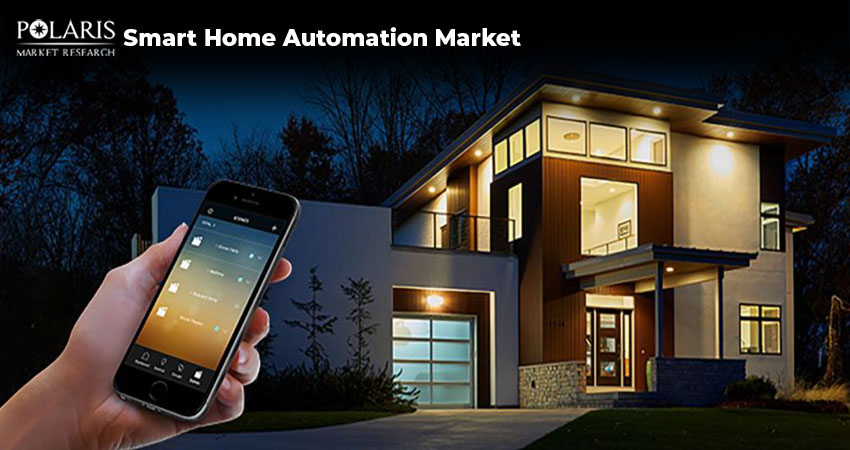
Credit: www.polarismarketresearch.com
Rise Of Smart Home Technology
The rise of smart home technology has changed how people live and interact with their homes. Devices that connect to the internet and work together offer new comforts and conveniences. Homes are becoming more efficient, safer, and easier to manage.
Smart home tech started small but has grown fast. It now plays a big role in daily life, affecting everything from lighting and heating to security and entertainment. This trend will keep shaping the future of living.
Early Innovations
Smart home technology began with simple devices like programmable thermostats and remote-controlled lights. These gadgets helped save energy and added convenience. Early systems were often expensive and hard to install. Only tech enthusiasts used them at first.
Over time, more products appeared, including smart locks and security cameras. These devices started working together in basic home automation setups. This created a foundation for more advanced systems in the future.
Current Market Trends
Today, smart home technology is widespread and affordable. Many products connect through Wi-Fi or Bluetooth. Voice assistants like Alexa and Google Assistant control multiple devices. Users can manage homes remotely via apps on smartphones.
Energy efficiency remains a key focus. Smart thermostats and lighting adapt to daily routines. Security is also a priority, with cameras and sensors monitoring homes 24/7. Integration with other technologies, such as wearable devices, is becoming common.
Key Players And Products
Several companies lead the smart home market. Amazon offers Echo devices with Alexa voice control. Google provides Nest thermostats and cameras. Apple supports HomeKit, allowing seamless device control.
Other important brands include Ring for security cameras and Philips Hue for smart lighting. These products are user-friendly and reliable. They help make smart homes accessible to many people.
Enhancing Daily Life
Smart home technology is changing the way people live every day. It makes homes more comfortable, safer, and easier to manage. Small tasks become simple, saving time and effort. The future of living looks smarter and more connected with these tools.
Convenience And Automation
Smart devices automate daily chores like lighting and temperature control. You can set schedules for lights to turn on or off. Voice commands help you control appliances without moving. Automation reduces stress and frees time for important activities.
Energy Efficiency
Smart homes use energy wisely. Sensors adjust heating and cooling based on room use. This cuts down on wasted power and lowers bills. Energy-efficient homes help protect the environment by using less electricity.
Security Improvements
Smart security systems watch your home 24/7. Cameras, alarms, and locks work together to keep you safe. You get alerts on your phone if something unusual happens. These features provide peace of mind for every family member.
Integration With Ai And Iot
Smart home technology grows smarter by joining AI and IoT. This mix lets devices work together in new ways. Homes become more than just places to live. They turn into connected spaces that learn and adapt to daily life.
Artificial intelligence helps devices understand habits and preferences. The Internet of Things links many gadgets through the internet. Together, they create a seamless and efficient home environment.
Smart Assistants
Smart assistants are the heart of many smart homes. They listen to voice commands and answer questions. These assistants can control lights, thermostats, and even locks. They learn your routines to suggest helpful actions. Simple talks with them make life easier and faster.
Connected Devices
Connected devices share data over the internet. They include smart bulbs, cameras, and refrigerators. Each device adds value by working with others. For example, a smart fridge can alert you to buy groceries. A connected camera can send alerts if it detects movement. This network keeps your home safe and efficient.
Data-driven Insights
Data from devices helps improve home functions. Smart systems track energy use and suggest savings. They monitor air quality and adjust ventilation automatically. These insights help create a healthier and cheaper living space. Data turns everyday devices into useful tools for better living.
Impact On Home Design
Smart home technology is changing how houses look and function. It affects design from structure to furniture. Homes now blend technology and comfort in new ways.
Designers and builders create spaces that fit smart devices and systems. These changes help homes become more efficient and easier to live in.
Architectural Adaptations
Homes now include built-in wiring for smart systems. Walls and ceilings have space for sensors and speakers. Windows often feature smart glass that changes tint. These adaptations improve energy use and comfort. New homes are planned for easy tech upgrades later.
Smart Furniture And Appliances
Furniture now has charging ports and speakers. Smart beds track sleep and adjust firmness. Kitchen appliances connect to phones for remote control. These items save time and add convenience. They fit well with modern, tech-friendly home styles.
Space Optimization
Smart tech helps make the most of every room. Automated lighting and heating reduce wasted energy. Multi-use furniture adapts to different needs. Smart storage solutions keep homes tidy and organized. Technology helps small spaces feel larger and more open.
Challenges And Concerns
Smart home technology offers many benefits. It makes life easier and more connected. Yet, there are challenges that users face. These concerns affect how people adopt and trust smart devices. Understanding these issues helps us make better choices.
Privacy And Security Risks
Smart devices collect a lot of personal data. This data can be sensitive and private. If hacked, it may lead to identity theft or spying. Weak passwords and outdated software increase these risks. Users must stay alert and update devices regularly. Strong security measures are essential for safe smart homes.
Compatibility Issues
Many smart devices come from different brands. Not all products work well together. This causes frustration and limits functionality. Users may need multiple apps to control one home. Standardizing communication between devices would solve this problem. Until then, compatibility remains a barrier for many.
Cost And Accessibility
Smart home technology can be expensive. High prices stop many people from buying these devices. Some require professional installation, adding to the cost. Accessibility is also a concern for older adults or disabled users. Making smart homes affordable and easy to use is important for wider adoption.

Credit: www.belvalkar.com
Future Trends
The future of smart home technology is bright and full of new ideas. Innovations will make homes more comfortable, efficient, and easy to manage. These future trends focus on natural control, learning systems, and eco-friendly living. They will change how people interact with their homes every day.
Voice And Gesture Control
Smart homes will rely more on voice and gesture commands. Talking to devices will be faster and clearer. Simple hand movements can control lights, music, or temperature. This hands-free control makes daily tasks easier. It also helps people with limited mobility.
Predictive Home Systems
Homes will learn from habits and routines. They predict needs before users ask. For example, heating adjusts before you arrive. Lights turn off when no one is in the room. These systems save energy and improve comfort. They make homes smarter and more responsive.
Sustainable Smart Living
Eco-friendly technology will grow in importance. Smart homes will use energy more wisely. Solar panels and batteries will work together smoothly. Water usage will be tracked and reduced. Sustainable living reduces bills and helps the planet. Smart homes will support a greener lifestyle.

Credit: www.belvalkar.com
Frequently Asked Questions
What Are The Key Benefits Of Smart Home Technology?
Smart home technology offers convenience, energy savings, and enhanced security. It automates daily tasks and allows remote control via smartphones. These features improve comfort and reduce utility bills, making homes more efficient and safer.
How Does Smart Home Tech Improve Energy Efficiency?
Smart devices optimize energy use by adjusting lighting, heating, and cooling automatically. They monitor consumption and provide insights for better habits. This reduces waste and lowers utility costs, promoting a greener lifestyle.
Can Smart Home Systems Increase Property Value?
Yes, smart home systems can boost property value by making homes more modern and appealing. Buyers appreciate advanced security, energy efficiency, and convenience features. These technologies often lead to faster sales and higher offers.
Are Smart Home Devices Secure From Hacking?
Smart home devices have security measures like encryption and regular updates. However, users should set strong passwords and use secure networks. Proper precautions help protect against hacking and ensure data privacy.
Conclusion
Smart home technology is changing how we live every day. It makes homes safer, more comfortable, and energy-efficient. Devices talk to each other and learn your habits. This saves time and reduces stress. The future will bring even smarter tools and new ideas.
Homes will feel more connected and easier to manage. Embracing this tech means enjoying a simpler, better lifestyle. The change is happening now. Are you ready to experience it?
As an Amazon Associate, I earn from qualifying purchases.

