
Have you ever wondered just how clever our ancient ancestors really were? Homo erectus lived hundreds of thousands of years ago, yet their survival and innovations hint at surprising intelligence.
But how smart were they compared to us? Understanding their skills and thinking can change the way you see human history—and yourself. Keep reading to discover the remarkable mind of Homo erectus and what it tells us about your own potential.

Credit: www.youtube.com
Homo Erectus Brain Size
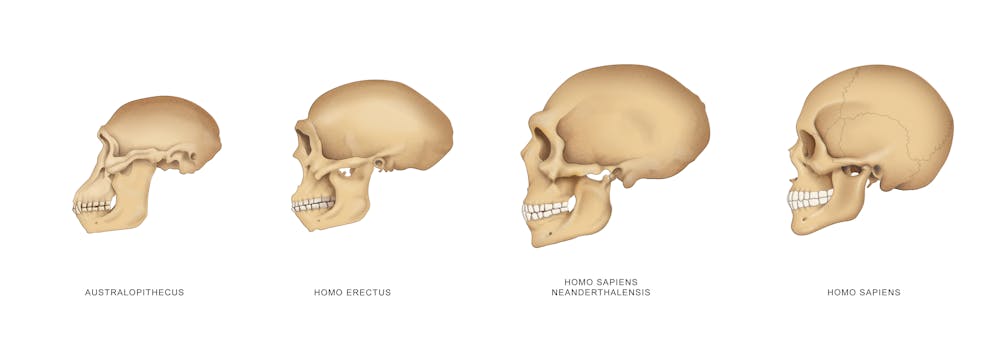
Homo erectus had a brain size larger than earlier human ancestors. This change marks an important step in human evolution. The brain size helps us understand their mental abilities and behaviors. Studying their brain volume offers clues about how smart they were.
Comparing Brain Volumes
The average Homo erectus brain was about 900 to 1100 cubic centimeters. This size is bigger than that of Homo habilis, which ranged from 500 to 800 cubic centimeters. Modern humans have brains around 1350 cubic centimeters on average. The increase in brain size shows a clear trend toward greater mental capacity over time.
Implications For Cognitive Abilities
A larger brain usually means better problem-solving skills. Homo erectus likely had improved memory and learning abilities. They made more complex tools than their ancestors. This suggests planning and thinking ahead. Their brain size also hints at the ability to control fire and live in groups. These skills require social interaction and cooperation. All these traits indicate a higher level of intelligence than earlier humans.
Tool Use And Innovation
Homo erectus showed clear signs of intelligence through their tool use and innovation. Tools gave them an advantage in hunting, gathering, and survival. Their ability to create and improve tools reflects their thinking skills and adaptability.
These early humans made tools not just by chance but with purpose. They shaped stones into useful items for cutting, scraping, and pounding. Such innovations helped them to live in different environments and face new challenges.
Stone Tools And Technology
Homo erectus used stone tools called Acheulean tools. These tools had sharp edges and were often shaped like hand axes. They took time and skill to make, showing careful planning.
The tools were stronger and more refined than those of earlier humans. They helped in cutting meat, breaking bones, and preparing plants. This technology marked a big step in human development.
Evidence Of Adaptation
Tool use by Homo erectus shows how they adapted to their world. They changed their tools to fit different tasks and environments. This shows flexible thinking and problem-solving.
They also used fire and built simple shelters. These behaviors helped them survive cold climates and hunt better. Their smart use of tools and fire shows they were more advanced than once thought.
Social Behavior And Communication
Homo erectus showed clear signs of social behavior and communication. These early humans lived in groups and shared tasks. Their social life helped them survive and adapt to new environments. Understanding their group dynamics and communication sheds light on their intelligence.
Group Dynamics
Homo erectus lived in small groups. They likely hunted and gathered food together. Sharing food and caring for each other improved their chances of survival. Group living required cooperation and understanding roles. This behavior shows they had complex social skills. They may have helped injured or older members. Such actions indicate empathy and planning.
Early Language Possibilities
Homo erectus might have used simple sounds to communicate. These sounds could express danger, food, or emotions. They may have combined gestures with vocal sounds. Early language helped coordinate group activities. It also strengthened social bonds. While not a full language, their communication was more advanced than other animals. This skill improved their teamwork and safety.
Fire Control And Cooking
Fire control and cooking marked a major step in the intelligence of Homo erectus. Managing fire was not just about warmth or light. It helped them cook food, making it easier to eat and digest. This skill shows their ability to plan and use tools. It also changed their lifestyle and diet in many ways.
Fire Usage Evidence
Archaeologists found ancient fire pits linked to Homo erectus. These sites have burnt bones and ash layers. Charcoal remains suggest they made and kept fires. Tools near fire spots show they cooked meat and plants. This evidence proves they used fire regularly, not just by chance. Controlling fire means they could stay safe from cold and predators.
Impact On Diet And Health
Cooking food made it softer and tastier. It helped break down tough fibers in plants and meat. This made nutrients easier to absorb. Cooked food also reduced germs and parasites. Better food led to stronger bodies and bigger brains. Fire control may have helped Homo erectus live longer. It changed what and how they ate, improving their health.
Migration And Environmental Adaptation
Homo erectus showed remarkable skill in moving across vast lands and adjusting to new environments. Their migration was not random but a response to changing climates and the search for better resources. This ability helped them survive and thrive in different parts of the world.
Geographic Expansion
Homo erectus was the first early human species to leave Africa. They spread into Asia and Europe. This migration happened over hundreds of thousands of years. They moved across varied landscapes like forests, plains, and river valleys. Their wide geographic range shows strong adaptability and survival skills.
Survival Strategies
To live in new environments, Homo erectus used clever survival strategies. They made simple tools for hunting and cutting. They learned to control fire, which helped them cook food and stay warm. These skills allowed them to live in colder and harsher climates. Their ability to adapt was key to their long existence.
Credit: theconversation.com
Cultural And Cognitive Legacy
Homo erectus left a strong cultural and cognitive legacy. Their ways of living show early human intelligence. They adapted to many environments and used new tools. These actions shaped human history deeply.
Scientists study their behaviors to understand human evolution. Their legacy lies in how they thought and acted. These early humans paved the path for future hominins.
Influence On Later Hominins
Homo erectus influenced species that came after them. Their tool use inspired sharper and more complex designs. They showed that planning and learning were possible.
Later hominins copied and improved their hunting methods. They shared knowledge within groups, which helped survival. This sharing marks one of the first social learning signs.
Lasting Contributions
Homo erectus made fire use common, a major step forward. Fire gave warmth, protection, and a way to cook food. This improved diet and health significantly.
They also built simple shelters, showing foresight and care. These contributions helped humans live in colder places. Their innovations set the stage for modern human culture.

Credit: www.reddit.com
Frequently Asked Questions
How Intelligent Was Homo Erectus Compared To Modern Humans?
Homo Erectus showed advanced intelligence for their time. They used tools, controlled fire, and had complex social behavior. However, their brain size was smaller than modern humans, indicating lower cognitive abilities.
Did Homo Erectus Use Tools Effectively?
Yes, Homo Erectus crafted and used stone tools skillfully. Their tools included hand axes and cleavers. These tools helped them hunt, process food, and survive in diverse environments.
Could Homo Erectus Control Fire?
Homo Erectus was likely the first to control fire. Fire use improved cooking, warmth, and protection. This ability marked a major step in human evolution and survival.
What Evidence Shows Homo Erectus Had Social Skills?
Homo Erectus lived in groups and shared resources. Archaeological finds suggest cooperative hunting and caring for injured members. These behaviors imply social intelligence and communication.
Conclusion
Homo erectus showed clear signs of intelligence long ago. They made tools and used fire to survive. Their brain size grew larger than earlier humans. These changes helped them adapt to new places. They communicated and worked together in groups.
This species laid the groundwork for modern humans. Understanding their smartness helps us know our past. It shows how intelligence can grow over time. Homo erectus was a key step in human evolution. Their story still fascinates scientists today.
As an Amazon Associate, I earn from qualifying purchases.

