
If your brakes feel spongy or unresponsive, it’s time to bleed them—and using a vacuum pump makes the job easier and faster. You might think brake bleeding is complicated, but with the right steps, you can do it yourself and save time and money.
This guide will show you exactly how to bleed brakes with a vacuum pump, even if you’ve never done it before. Keep reading, and you’ll have your brakes working smoothly and safely in no time.
Tools And Materials Needed
Before you start bleeding brakes with a vacuum pump, gather all the necessary tools and materials. Having the right items makes the job easier and safer. You will save time and avoid mistakes. This section lists the key tools and materials required for the task.
Vacuum Pump Types
Choose a vacuum pump designed for brake bleeding. Manual hand pumps are common and easy to use. They create suction when you pull the handle. Electric vacuum pumps work faster and require less effort. Some pumps come with multiple adapters for various brake systems. Pick one that fits your vehicle and budget.
Brake Fluid Selection
Select the correct brake fluid for your vehicle. Check the owner’s manual for the recommended type. Most cars use DOT 3, DOT 4, or DOT 5.1 brake fluid. Use fresh, unopened fluid to avoid contamination. Old or mixed fluids can damage your brake system.
Additional Equipment
Gather extra tools for a smooth process. You need a clear hose to connect the pump to the bleeder valve. A catch bottle collects old brake fluid during bleeding. Use gloves to protect your skin from brake fluid. Clean rags help wipe spills and keep the area tidy. A wrench or socket set will open the bleeder valves.
Preparing The Vehicle
Preparing your vehicle properly is key to bleeding brakes with a vacuum pump safely and effectively. This step sets the stage for a smooth brake bleeding process and helps avoid common problems. Take time to prepare well before starting the job.
Safety Precautions
Always park the vehicle on a flat surface. Use wheel chocks to stop it from moving. Wear gloves and safety goggles to protect your hands and eyes. Avoid breathing brake fluid vapors. Keep a fire extinguisher nearby in case of emergencies. Never work under a raised vehicle without proper supports.
Accessing The Brake System
Open the hood to reach the brake fluid reservoir. Remove the cap carefully to avoid spills. Locate the brake bleeder valves on each wheel. Clean around the valves to stop dirt from entering. Use a jack and jack stands to lift the vehicle if needed. Remove the wheels for better access to the bleeder screws.
Checking Brake Fluid Level
Look at the fluid level in the reservoir. Make sure it is between the minimum and maximum marks. Add fresh brake fluid if the level is low. Use the fluid type recommended by the vehicle manufacturer. Avoid letting the reservoir run empty during bleeding. This prevents air from entering the brake lines.
Setting Up The Vacuum Pump
Setting up the vacuum pump correctly is the first step in bleeding brakes. This setup helps remove air from the brake lines. Proper setup ensures a smooth and safe brake bleeding process.
Connecting To The Brake Bleeder Screw
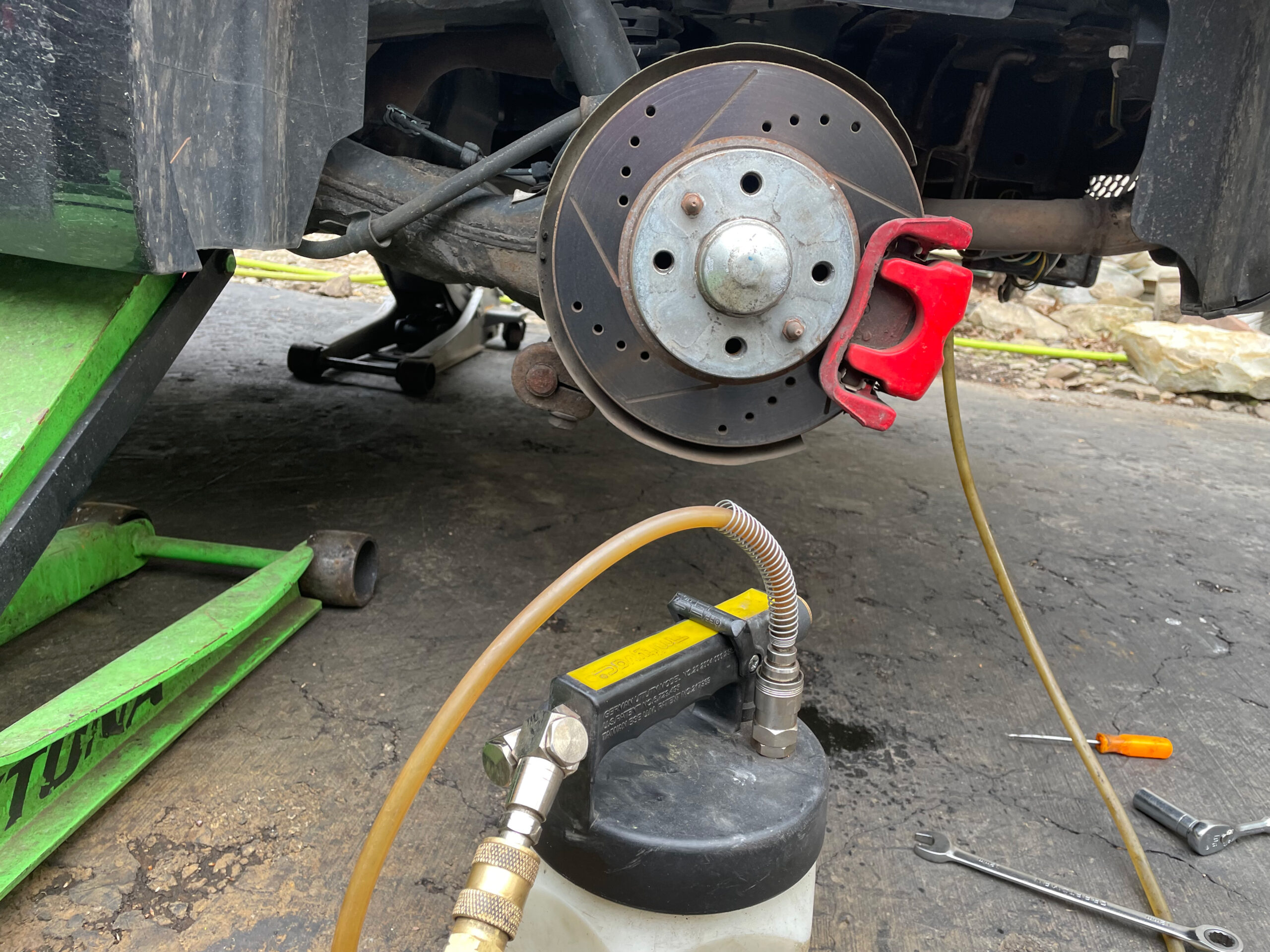
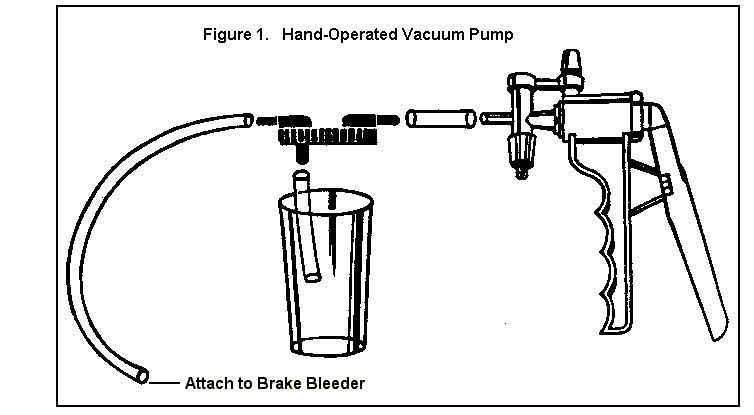
Start by locating the brake bleeder screw on the brake caliper or wheel cylinder. Attach the vacuum pump’s hose securely to this screw. Make sure the hose fits tightly to prevent air leaks. A loose connection will reduce pump efficiency.
Ensuring Secure Seals
Check all connections for tight seals. Use rubber washers if needed to improve the seal. Tighten the bleeder screw just enough to hold the hose firmly. Avoid overtightening, which can damage the screw or hose.
Priming The Pump
Before starting, prime the vacuum pump by pulling the handle slowly. This action removes air from the pump chamber. Repeat until the pump creates a steady vacuum pressure. Proper priming helps the pump work smoothly during bleeding.
Credit: www.thedrive.com
Bleeding The Brakes Process
Bleeding the brakes is a key step to keep your vehicle safe. This process removes air bubbles that reduce brake efficiency. Using a vacuum pump makes the job cleaner and easier. Follow these steps carefully for best results.
Creating Vacuum Pressure
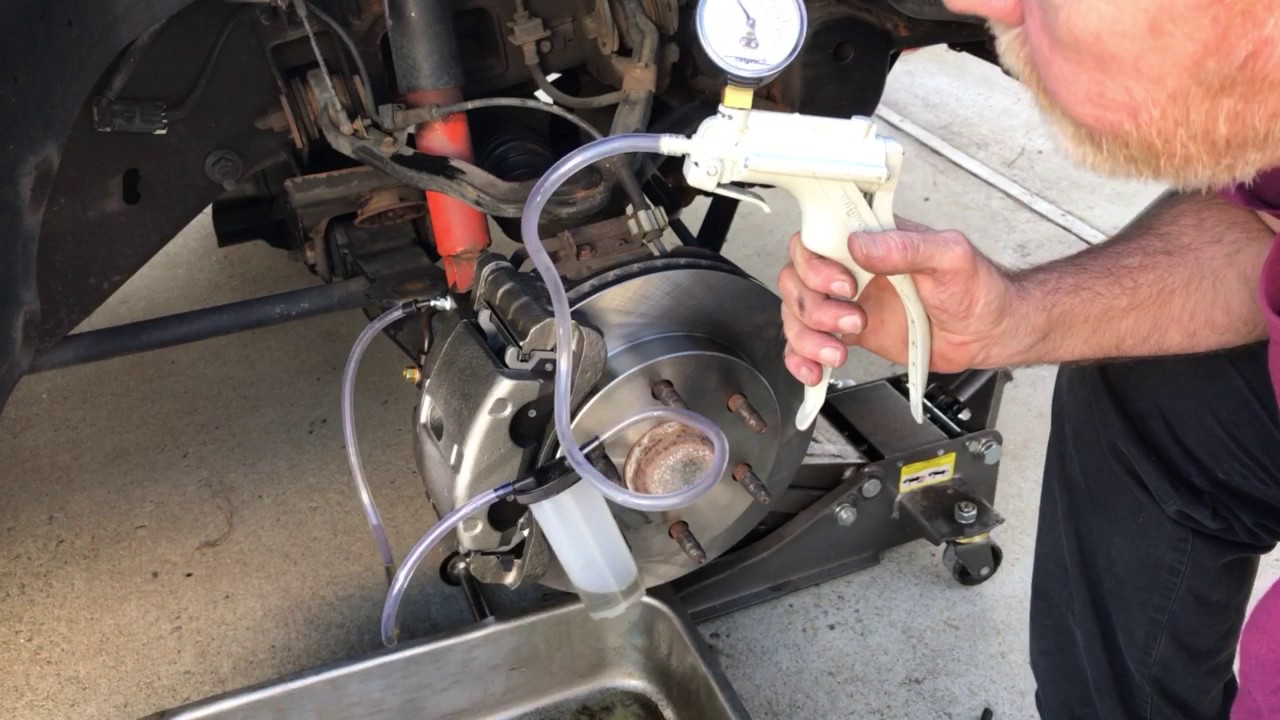
Attach the vacuum pump to the brake bleeder valve. Pump the handle to create suction. This pulls brake fluid and air from the brake system. Keep pumping until you feel steady pressure in the pump.
Opening The Bleeder Valve
Use a wrench to open the bleeder valve slightly. Air and fluid will start flowing into the vacuum pump. Open the valve just enough to let fluid escape. Avoid opening it too wide to prevent air from entering.
Monitoring Fluid And Air Bubbles
Watch the fluid moving through the clear hose. Look for air bubbles in the fluid. Continue pumping until the fluid flows clear and bubble-free. This means all air has been removed from the brake line.
Closing The Valve
Tighten the bleeder valve while keeping the vacuum pump running. This stops air from going back into the brake system. Remove the vacuum pump and check brake fluid levels. Repeat the process on all brake lines for safety.
Bleeding Sequence
The bleeding sequence is a key step when using a vacuum pump to bleed brakes. It ensures air leaves the brake lines properly. Following the right order helps avoid trapped air. This keeps brake performance safe and reliable.
Starting From The Furthest Wheel
Begin with the wheel farthest from the brake master cylinder. Usually, this is the rear passenger side wheel. Open the bleeder valve and use the vacuum pump to draw out air and old fluid. Close the valve before moving on. This step removes air from the longest brake line first.
Moving To The Closest Wheel
After the furthest wheel, move to the next closest wheel. Repeat the same process of opening the bleeder valve and drawing fluid. Work your way toward the closest wheel to the master cylinder. This sequence clears air from each brake line in order.
Repeating As Needed
Repeat the process on all wheels until no air bubbles appear. Check the brake fluid reservoir often. Keep it filled to avoid drawing air back into the system. Continue bleeding until the brake pedal feels firm and steady.
Credit: www.youtube.com
Post-bleeding Checks
After bleeding brakes with a vacuum pump, some checks ensure safety and proper function. These steps confirm the job is done right. They also help spot any issues early. Follow these simple checks before driving the car again.
Inspecting Brake Fluid Level
Open the brake fluid reservoir. Check the fluid level against the marks on the side. Add fluid if the level is low. Use the same type of brake fluid as before. Avoid overfilling to prevent spills.
Testing Brake Pedal Feel
Press the brake pedal slowly. It should feel firm and steady. A soft or spongy pedal means air may still be in the system. Pump the pedal a few times to check consistency. Stop if the pedal feels weak and re-bleed if needed.
Checking For Leaks
Look around all brake lines and fittings. Use a flashlight to see tight spots. Watch for wetness or fluid drips. Tighten any loose parts carefully. Fix leaks before driving to avoid brake failure.
Troubleshooting Common Issues
Troubleshooting is a key step when bleeding brakes with a vacuum pump. Issues can slow the process or cause unsafe brake performance. Understanding common problems helps you fix them quickly. This section covers typical challenges and easy ways to resolve them.
Persistent Air In Lines
Air bubbles in brake lines reduce braking power. This problem happens if the pump does not draw enough vacuum. Check all connections for leaks or loose fittings. Tighten clamps and replace damaged hoses. Run the pump longer to remove stubborn air pockets. Tap the brake lines gently to help air rise.
Vacuum Pump Malfunctions
A vacuum pump may fail due to worn seals or low battery power. Listen for irregular noises or weak suction. Inspect the pump for cracks or oil leaks. Charge the battery fully before starting. Clean or replace filters that block airflow. Testing the pump on another vehicle can confirm its condition.
Brake Pedal Sponginess
A soft brake pedal often means air remains in the system. Bleed the brakes slowly to let trapped air escape. Make sure the brake fluid reservoir is full during bleeding. Check the master cylinder for leaks or damage. Replace old brake fluid to avoid moisture buildup. A firm pedal indicates proper bleeding and safe brakes.
Maintenance Tips
Proper maintenance is key to keeping your brake bleeding process smooth and safe. Small habits make a big difference in tool life and vehicle safety. Follow these tips to care for your vacuum pump and the brake system.
Proper Brake Fluid Disposal
Brake fluid is toxic and should never go down drains or soil. Collect used fluid in a sealed container. Take it to a recycling center or hazardous waste facility. Protect the environment and follow local laws.
Pump Care And Storage
Clean the vacuum pump after each use. Wipe off brake fluid and dirt with a dry cloth. Store it in a cool, dry place away from direct sunlight. Avoid moisture to prevent rust and damage. Check the pump for leaks or cracks before each job.
Regular Brake System Checks
Inspect your brake system regularly for leaks or worn parts. Check brake fluid levels and top up if low. Replace brake fluid every two years to keep it fresh. Test brake performance often to ensure safety. Early checks help avoid costly repairs.
Credit: www.clarks-garage.com
Frequently Asked Questions
What Is The Purpose Of Bleeding Brakes With A Vacuum Pump?
Bleeding brakes with a vacuum pump removes air from brake lines. It ensures proper brake fluid flow and improves braking performance. This method is faster and cleaner than traditional bleeding techniques.
How Do I Use A Vacuum Pump To Bleed Brakes?
Attach the vacuum pump to the brake bleeder valve. Pump to create suction and draw out air and old fluid. Keep fluid reservoir topped to avoid air entry. Repeat until clear fluid flows with no air bubbles.
Can I Bleed Brakes Alone Using A Vacuum Pump?
Yes, a vacuum pump allows one-person brake bleeding. It creates suction to remove air without needing a second helper. This makes the process convenient and efficient for DIY maintenance.
What Are Common Mistakes When Bleeding Brakes With A Vacuum Pump?
Common mistakes include not securing the hose properly, running the reservoir dry, and not opening the bleeder valve fully. These can introduce air or damage components. Always follow manufacturer instructions carefully.
Conclusion
Bleeding brakes with a vacuum pump is simple and effective. It helps remove air bubbles quickly and safely. Always follow safety steps to avoid mistakes. Check your brake fluid level after finishing. Clear brakes improve your car’s stopping power. Regular maintenance keeps you safe on the road.
Practice this method to gain confidence and skill. A well-bleeded brake system means better control and peace of mind. Try it carefully, and your brakes will work like new.
As an Amazon Associate, I earn from qualifying purchases.