
Imagine walking into your home and having the lights turn on just for you. Picture your thermostat adjusting automatically to the perfect temperature before you even step inside.
This is what a smart home can do for you—making life easier, safer, and more comfortable. If you’ve ever wondered how to bring this magic into your own house, you’re in the right place. Keep reading, and you’ll discover simple steps that can turn your everyday space into a smart, connected haven.
Ready to transform your home? Let’s dive in.
Credit: hometechhacker.com
Benefits Of A Smart Home
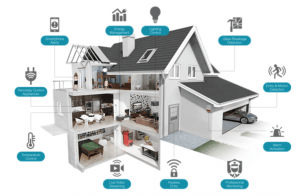
Smart homes offer many benefits that improve daily life. They bring ease, save energy, and make homes safer. These advantages create a better living space for families and individuals.
Enhancing Convenience And Comfort
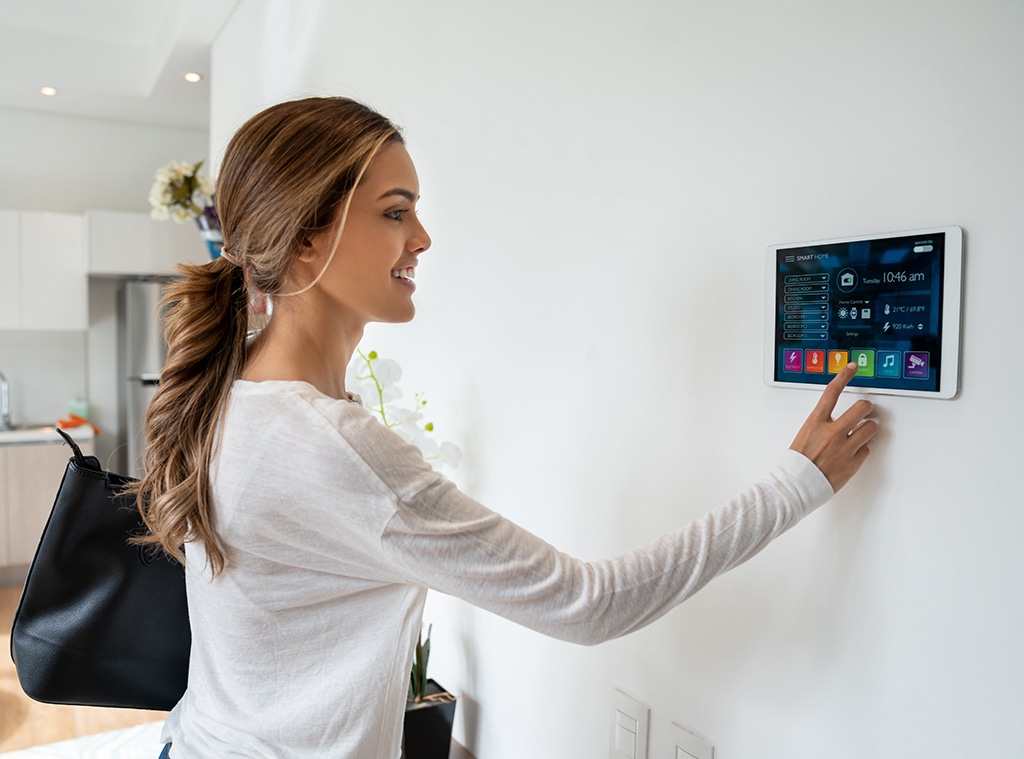
Smart devices control lights, temperature, and appliances from one place. You can adjust settings using your phone or voice. This saves time and effort every day.
Schedules and automation make your home ready before you arrive. Imagine lights turning on and coffee brewing automatically. This adds comfort without extra work.
Boosting Energy Efficiency
Smart homes help reduce energy use by monitoring consumption. Devices turn off when not needed, cutting waste. This lowers electricity bills and helps the environment.
Thermostats learn your habits and adjust heating or cooling. They keep rooms comfortable without using too much energy. This smart control saves money and resources.
Improving Home Security
Smart security systems include cameras, sensors, and alarms. You get alerts on your phone if something unusual happens. This gives peace of mind even when away from home.
Remote access lets you lock doors or check cameras anytime. You can act fast if there is a problem. This helps protect your family and belongings.
Essential Smart Devices
Smart devices make your home easier and more comfortable. They help with daily tasks and save energy. Choosing the right devices is key. Start with basics that fit your needs and budget.
Smart Speakers And Voice Assistants
Smart speakers let you control your home with voice commands. They play music, answer questions, and manage other smart devices. Popular options include Amazon Echo and Google Nest. These devices respond to simple words and phrases. They make daily tasks faster and hands-free.
Smart Lighting Solutions
Smart lights change the way you use lighting at home. Control brightness and colors with an app or voice. Schedule lights to turn on or off automatically. They help save energy and improve mood. Easy to install and use, smart bulbs fit in most lamps.
Smart Thermostats
Smart thermostats adjust your home’s temperature automatically. They learn your schedule and preferences over time. This saves money on heating and cooling bills. Control them from your phone anytime, anywhere. They keep your home comfortable without extra effort.
Security Cameras And Sensors
Security cameras watch your home day and night. Sensors detect motion, doors, and windows opening. Get alerts on your phone if something is wrong. These devices help protect your home and family. Installation is simple, and many work with other smart devices.
Choosing The Right Hub
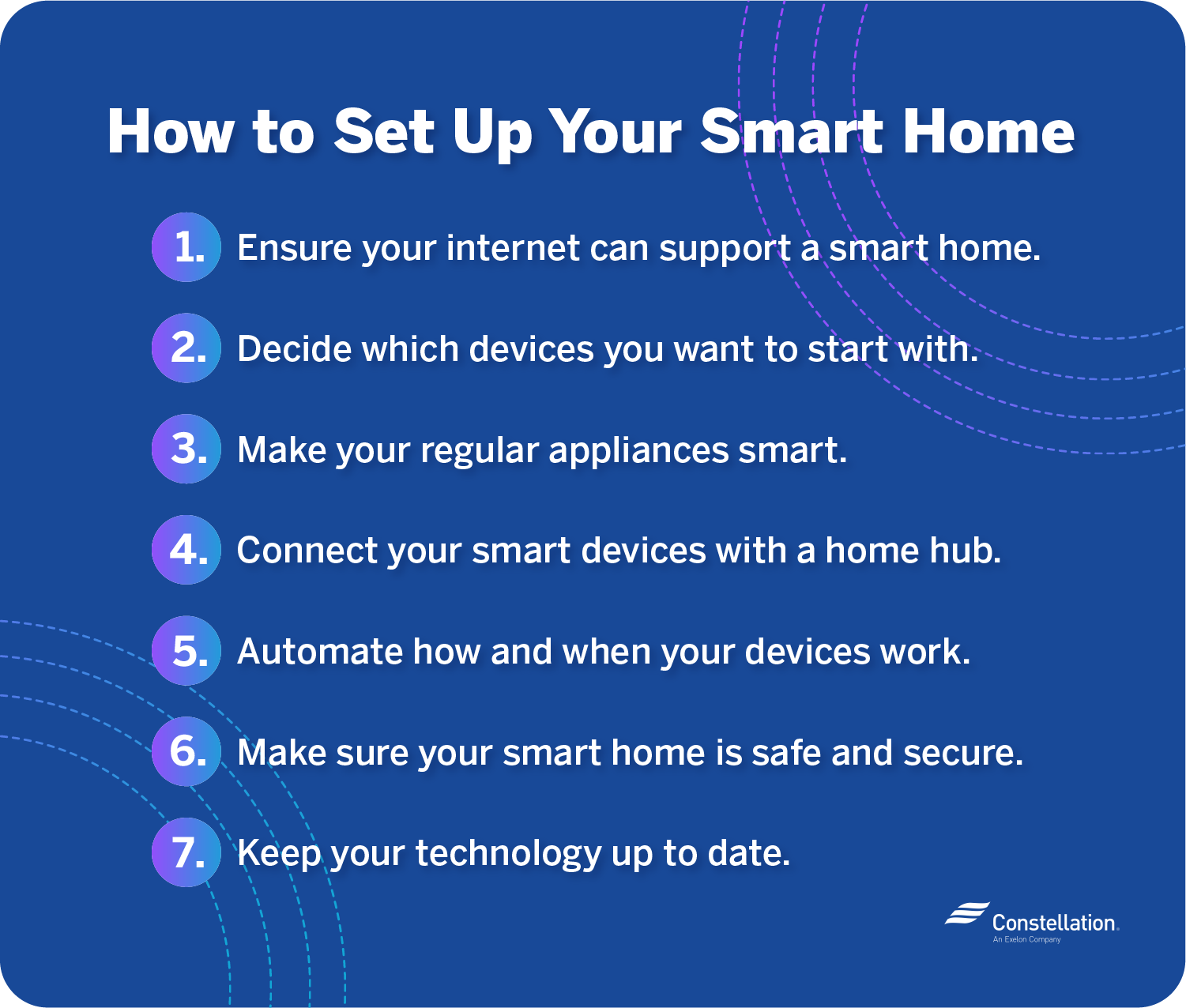
Choosing the right hub is the first step in building a smart home. A hub connects all your devices and helps them work together smoothly. It acts as the brain of your smart home system.
Picking a hub that fits your needs can make your smart home easy to use and reliable. Focus on three important factors: device compatibility, user-friendly interfaces, and integration options.
Compatibility With Devices
Check if the hub supports many smart devices. Your lights, locks, cameras, and sensors should work with it. Some hubs support popular brands and protocols like Zigbee or Z-Wave. This ensures you can add more devices later without issues.
User-friendly Interfaces
A simple interface helps you control your smart home with ease. Look for hubs with clear apps or voice control options. Easy setup and clear instructions save time and reduce frustration.
Integration Options
Good hubs work with various services and platforms. They should connect with voice assistants like Alexa or Google Assistant. Integration with other apps or services helps automate tasks and create routines that fit your lifestyle.
Setting Up Your Network
Setting up your network is the first step to creating a smart home. A strong and secure network keeps your devices connected and working well. It also protects your home from hackers. A good network setup ensures smooth control of smart lights, cameras, and speakers. Follow these tips to make your network smart-device ready.
Securing Your Wi-fi
Start by changing the default router password. Use a strong password with letters, numbers, and symbols. Enable WPA3 or WPA2 encryption on your Wi-Fi. Turn off WPS, which can be a security risk. Keep your router’s firmware updated to fix vulnerabilities. Use a guest network for visitors to keep your main network safe.
Optimizing For Smart Devices
Place your router in a central spot for better coverage. Avoid walls and metal objects blocking the signal. Use a dual-band router to separate smart devices from other gadgets. Assign fixed IP addresses to key devices to reduce connection issues. Consider a mesh Wi-Fi system for larger homes. This helps cover every corner with a strong signal.
Troubleshooting Connectivity Issues
Restart your router and smart devices if connections drop. Check for firmware updates on your router and devices. Move devices closer to the router to improve signal strength. Remove any devices causing interference, like microwaves or cordless phones. Use apps to test Wi-Fi speed and coverage in your home. Reset network settings on devices if problems continue.
Automating Daily Tasks
Automating daily tasks is a key step to make your house smart. It saves time and effort by running devices automatically. This creates a comfortable and efficient living space. Small changes can improve your daily routine significantly.
Creating Routines And Scenes
Routines and scenes help control multiple devices at once. For example, you can set a “Good Morning” scene. It can turn on lights, start the coffee maker, and play music. This makes mornings smoother and less stressful. You can customize routines to fit your lifestyle.
Scenes group devices for specific moods or activities. Like a “Movie Night” scene that dims lights and turns on the TV. These presets simplify your home control with one command.
Scheduling Devices
Scheduling lets devices turn on or off at set times. You can schedule lights to switch off after you sleep. Or set the thermostat to warm the house before you arrive. This saves energy and adds convenience.
Most smart devices have easy apps to create schedules. Choose times that match your daily habits. This automation removes the need to remember every task.
Using Geofencing
Geofencing uses your phone’s location to trigger actions. Devices respond when you enter or leave your home area. For example, lights can turn on as you arrive. Or the security system arms when you leave.
This feature makes your smart home react to your presence automatically. It adds comfort and improves safety without manual control.
Credit: blog.constellation.com
Maintaining Privacy And Security
Privacy and security are key when making a home smart. Smart devices collect data and connect to the internet. This can expose your home to risks. Protecting your privacy keeps your family safe. Good security habits reduce hacking chances.
Updating Firmware Regularly
Smart devices need updates to fix bugs and improve security. Updates close gaps hackers can use. Set devices to update automatically. Check for updates often. This keeps your devices safe and running well.
Using Strong Passwords
Passwords protect your smart home accounts and devices. Use long passwords with letters, numbers, and symbols. Avoid easy passwords like “1234” or “password.” Change default passwords right away. Use a password manager to keep track.
Managing Data Sharing Settings
Smart devices often share data with apps or companies. Review privacy settings carefully. Limit what data devices can share. Turn off features that are not needed. This helps keep your personal information private.
Expanding Your Smart Home
Expanding your smart home brings comfort and convenience to daily life. It allows you to control more devices easily. You can create a connected space that suits your needs.
Start with small steps and build your smart system over time. Each new device adds value and makes your home smarter.
Adding Smart Appliances
Smart appliances save time and energy. Think of refrigerators that track groceries or ovens you control by phone. These devices help with chores and keep your home efficient.
Choose appliances that fit your lifestyle. Look for easy setup and good compatibility with your existing smart system.
Integrating Entertainment Systems
Smart entertainment adds fun and ease to your home. Control your TV, speakers, and streaming devices from one app or voice command. Create a perfect movie night or party mood quickly.
Link devices to share music or video in any room. Use smart remotes or apps to avoid clutter and confusion.
Exploring Advanced Automation
Advanced automation makes your home work for you. Set routines for lights, heating, and security to run automatically. Your home adapts to your habits and preferences.
Use sensors and triggers to react to changes like motion or time of day. This adds safety and comfort without extra effort.
Credit: www.eonline.com
Frequently Asked Questions
What Are The Essential Devices For A Smart Home?
Essential smart home devices include smart speakers, lights, thermostats, and security cameras. These devices improve convenience, security, and energy efficiency.
How Do Smart Home Systems Improve Energy Savings?
Smart home systems automate lighting and heating based on occupancy and time. This reduces unnecessary energy use, lowering bills and environmental impact.
Is It Difficult To Install Smart Home Technology?
Most smart home devices are easy to install with clear instructions. Many work via Wi-Fi and smartphone apps, requiring minimal technical skills.
Can Smart Homes Increase Property Value?
Yes, smart homes often attract buyers and can boost property value. They offer modern convenience, security, and energy efficiency that appeal to many.
Conclusion
Making your house a smart home brings comfort and ease every day. Start with simple devices and add more as you go. Control lights, temperature, and security with just your voice. Save energy and keep your family safe at the same time.
Smart homes fit any budget and lifestyle. Small changes can make a big difference in your daily life. Stay patient and enjoy the benefits of smart living. Your home becomes smarter, and your life becomes easier.
As an Amazon Associate, I earn from qualifying purchases.

