
If you’re expecting a baby, understanding how to read the contraction monitor at the hospital can make a big difference in your experience. You might feel overwhelmed by all the beeps and lines on the screen, but once you know what to look for, it becomes much clearer.
This simple skill helps you stay informed about your labor progress and can ease your anxiety. Keep reading, and you’ll learn exactly how to read the contraction monitor so you can feel more confident and connected during this important time.
Purpose Of The Contraction Monitor
The contraction monitor is an important tool used in hospitals during labor. It helps doctors and nurses understand how the labor is progressing. This device records the strength, length, and frequency of contractions. Knowing this information helps the medical team make safe decisions for both mother and baby.
Tracking Contraction Patterns
The monitor shows how often contractions happen and how long they last. It helps spot any changes in the pattern. Regular and strong contractions usually mean labor is moving forward. Irregular or weak contractions may need extra attention.
Assessing Labor Progress
The contraction monitor helps check if the cervix is opening properly. Strong, close contractions often lead to the cervix dilating. Doctors use this data to decide if labor is going well or if help is needed.
Ensuring Fetal Well-being
Contractions affect the baby’s oxygen supply. The monitor helps watch for signs of stress on the baby. If contractions are too strong or too close, the baby might need extra care. This tool keeps both mother and baby safe during labor.
Types Of Contraction Monitors
Hospitals use different types of contraction monitors to track labor progress. These devices help doctors and nurses see how strong and frequent contractions are. Understanding the types of monitors helps expectant mothers feel more comfortable during labor.
External Monitors
External monitors use sensors placed on the mother’s belly. These sensors measure the uterus’s tightening during contractions. The device shows the strength and length of each contraction on a screen. It is safe and does not break the skin. Nurses can easily adjust the monitor for better readings.
Internal Monitors
Internal monitors involve a small device placed inside the uterus. This device directly measures the pressure of contractions. It gives very accurate readings, especially when external monitors are unclear. Doctors only use this monitor if the water has broken and there is no infection. It requires careful handling by medical staff.
Wireless Options
Wireless monitors offer more freedom for movement during labor. Sensors send data without wires, making the mother more comfortable. These monitors still track contraction strength and timing well. Wireless options are becoming more common in hospitals. They help mothers stay relaxed while keeping medical staff informed.
Reading The Monitor Display
Reading the contraction monitor display helps you understand labor progress. The screen shows patterns that represent uterine contractions. Learning to read these patterns makes the experience less stressful. The monitor uses simple lines and numbers. Each part tells a story about your contractions.
Identifying Contraction Waves
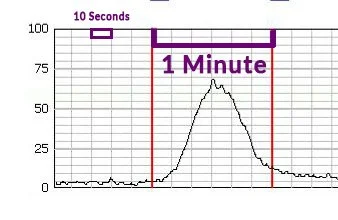
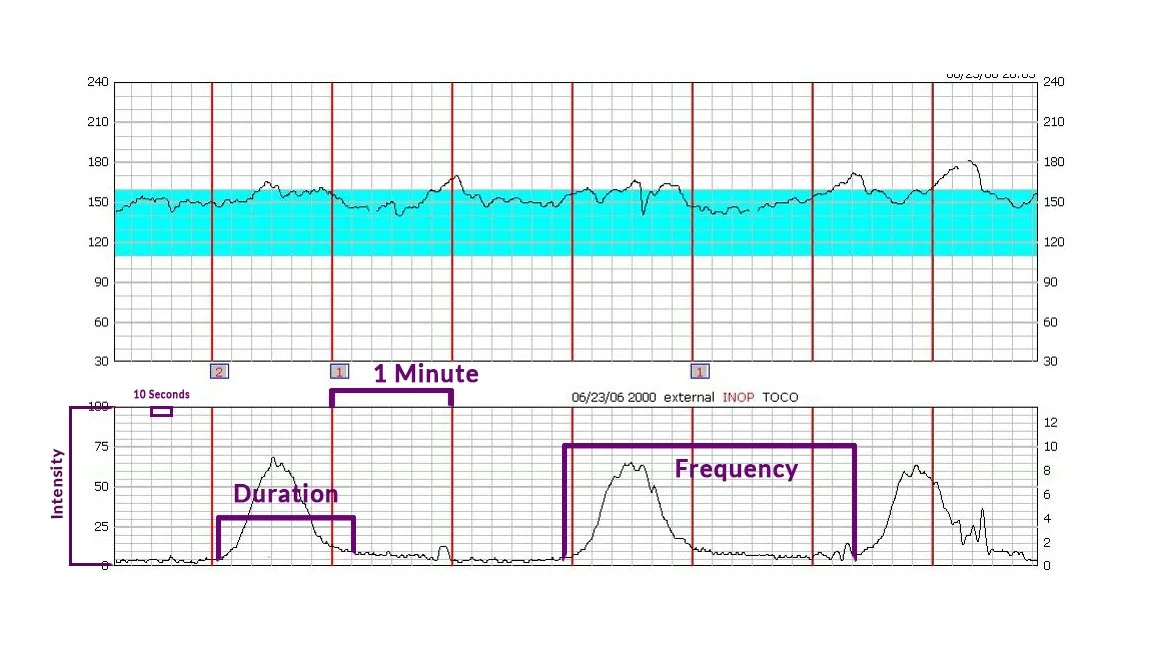
Contraction waves appear as peaks on the monitor. Each peak shows a single contraction. The higher the peak, the stronger the contraction. Look for regular rises and falls in the line. These waves follow one another during labor. Spotting these helps track the timing of contractions.
Measuring Frequency And Duration
Frequency means how often contractions happen. Check the time between each peak on the screen. This tells you how close contractions are. Duration means how long each contraction lasts. Measure the width of each peak from start to finish. Short peaks mean brief contractions. Longer peaks show longer contractions.
Understanding Intensity Indicators
Intensity shows how strong contractions are. The monitor uses numbers or wave height to show this. Higher numbers or taller waves mean stronger contractions. Some monitors show a scale from mild to strong. Intensity helps doctors decide the best care for you. Watching this can prepare you for what comes next.

Credit: www.wikihow.com
Normal Vs. Abnormal Patterns
Understanding the difference between normal and abnormal contraction patterns helps you know how labor is progressing. The contraction monitor shows these patterns clearly. It helps doctors and nurses decide if everything is fine or if there is a problem.
Normal contraction patterns show steady progress. Abnormal patterns may signal risks for the mother or baby. Learning to read these patterns can reduce worry and improve communication with your care team.
Regular Contractions
Regular contractions come at steady intervals. They usually last about 30 to 60 seconds. The gap between contractions grows shorter as labor moves forward. These contractions feel strong and help open the cervix. A steady rhythm of contractions is a good sign during labor.
Tachysystole And Its Risks
Tachysystole means too many contractions in a short time. It is more than five contractions in ten minutes. These contractions may not allow the uterus to rest. This can reduce oxygen supply to the baby. Tachysystole may cause distress and requires medical attention quickly.
Signs Of Distress
The monitor shows signs that the baby might be in distress. Look for irregular contractions or very long or strong contractions. Sudden changes in contraction patterns can be a warning. The baby’s heart rate may also change with distress. Nurses watch these signs closely to keep mother and baby safe.
Interpreting Fetal Heart Rate
Understanding the fetal heart rate is key to monitoring your baby’s well-being during labor. The contraction monitor shows this rate as a line that moves up and down. It helps doctors see how your baby handles the stress of labor. Learning to read this line can ease your worries and keep you informed.
Baseline Heart Rate
The baseline heart rate is the average beats per minute. It usually stays between 110 and 160 beats. A steady baseline shows your baby is calm and stable. If the rate is too high or too low, it could mean your baby is stressed.
Variability Patterns
Variability means small changes in the heart rate over time. Good variability shows your baby’s nervous system is working well. Low variability may signal that the baby is tired or not getting enough oxygen. Watch for a steady, changing pattern—it is a good sign.
Decelerations And Accelerations
Decelerations are drops in the heart rate during contractions. Some are normal, but long or deep drops need attention. Accelerations are brief increases in heart rate. These are usually a positive sign. They mean your baby reacts well to contractions.
Credit: birthandlifephotography.com
Common Terms On The Monitor
Understanding the common terms on a contraction monitor helps you follow labor progress. These terms show how the baby and mother are doing during labor. The monitor displays important data to guide doctors and nurses. Knowing what each term means can ease your hospital experience. It also helps you stay calm and informed.
Toco
Toco measures the strength of contractions. It shows how hard the uterus is squeezing. The higher the number, the stronger the contraction. Toco is displayed as a line that rises and falls with each contraction. Nurses watch this to see how labor is moving along.
Montevideo Units
Montevideo Units (MVUs) add up the strength of contractions in 10 minutes. It helps doctors know if contractions are strong enough to cause labor. A higher MVU means more powerful contractions. This number guides decisions about labor progress and care.
Fhr
FHR stands for Fetal Heart Rate. It shows the baby’s heartbeat on the monitor. The number helps check if the baby is healthy during labor. Nurses look for steady, normal heartbeats. Changes in FHR may signal the need for medical help.
When To Alert Medical Staff
Knowing when to alert medical staff during labor is very important. The contraction monitor shows key signs about your labor progress and your baby’s health. Understanding these signs helps you act quickly and keeps both of you safe.
Changes In Contraction Pattern
Watch the timing and strength of contractions closely. Contractions should get closer and stronger as labor moves on. If contractions suddenly stop or become very irregular, tell the nurses. A big change might mean a problem.
Fetal Heart Rate Concerns
The monitor also shows your baby’s heart rate. It should stay steady during contractions. If the heart rate goes too fast, too slow, or has strange dips, alert the staff. These changes could mean the baby is under stress.
Maternal Symptoms
Pay attention to how you feel. Severe pain, dizziness, or heavy bleeding are warning signs. Tell the medical team right away. Your comfort and safety are just as important as the baby’s health.
Credit: birthandlifephotography.com
Tips For Expectant Parents
Watching the contraction monitor can feel confusing for many parents. It shows important information about labor progress. Knowing how to read it helps you stay informed and calm. Here are simple tips to guide you through the process.
Staying Calm During Monitoring
Labor can be stressful. The monitor may show lines that go up and down. These lines track contractions and your baby’s heartbeat. Try to breathe slowly and relax. Staying calm helps you understand the monitor better. It also helps your body work well during labor.
Asking Questions
Don’t hesitate to ask nurses or doctors about what you see. They can explain the lines and numbers on the screen. Clear answers reduce worry. Asking questions helps you learn and feel more in control. Remember, the medical team is there to support you.
Understanding Your Role
Your main job is to stay aware and follow instructions. You can watch the monitor, but trust the staff’s guidance. Share how you feel and any changes you notice. Your input is valuable for the team. Being involved helps you feel part of the process.
Frequently Asked Questions
What Does The Contraction Monitor Display At The Hospital?
The contraction monitor displays uterine activity in real time. It shows contraction frequency, duration, and intensity. This helps doctors track labor progress and fetal well-being. The monitor provides critical data for timely medical decisions during childbirth.
How To Interpret Contraction Frequency On The Monitor?
Contraction frequency is the time between contractions. It is measured in minutes. Shorter intervals mean labor is advancing. Regular and closer contractions indicate active labor, guiding healthcare providers in assessing delivery readiness.
What Does Contraction Intensity Indicate On The Monitor?
Contraction intensity shows how strong each contraction is. Higher peaks on the monitor mean stronger contractions. Intensity helps evaluate labor progress and pain levels. It assists in managing comfort and deciding when to intervene.
Can The Monitor Detect Fetal Heart Rate Too?
Yes, many contraction monitors also track fetal heart rate. This dual monitoring ensures the baby’s safety during labor. Abnormal heart rates can signal distress, prompting immediate medical attention.
Conclusion
Reading the contraction monitor helps you understand labor progress. Watch the timing and strength of each contraction closely. Nurses and doctors use this data to keep you safe. Trust the monitor but also listen to your body’s signals. Knowing how to read it reduces stress and confusion.
Stay calm and ask questions if something seems unclear. This knowledge supports you during labor and delivery. You are not alone—help is always near.
As an Amazon Associate, I earn from qualifying purchases.

