
Your tire pressure monitoring system (TPMS) is more than just a dashboard light—it’s a key part of keeping you safe on the road. But do you know how to service it properly?
Ignoring your TPMS can lead to poor fuel efficiency, uneven tire wear, or even dangerous driving conditions. You’ll discover simple, step-by-step tips to maintain and service your TPMS. By the end, you’ll feel confident ensuring your system works perfectly every time you hit the road.
Keep reading to protect yourself, your vehicle, and your wallet.

Credit: www.youtube.com
What Is A Tire Pressure Monitoring System
A Tire Pressure Monitoring System (TPMS) helps keep your tires at the right pressure. It alerts you if your tire pressure is too low or too high. This system improves safety and saves fuel by making sure tires are properly inflated.
TPMS uses sensors inside the tires or valve stems. These sensors send real-time pressure data to your car’s dashboard. You see a warning light or message if there is a problem with tire pressure.
Types Of Tire Pressure Monitoring Systems
There are two main types of TPMS: direct and indirect. Direct TPMS uses sensors inside each tire to measure pressure. Indirect TPMS estimates pressure by tracking wheel speed and rotation.
Benefits Of A Tire Pressure Monitoring System
TPMS helps prevent accidents caused by underinflated tires. It also improves fuel efficiency and tire life. Proper tire pressure reduces wear and tear on your vehicle.
How Tpms Works In Your Vehicle
Sensors measure tire pressure and send the data to a control unit. The control unit checks the pressure values against preset limits. It triggers a warning light if pressure falls outside the safe range.

Credit: urbsgarage.com
Signs Of A Faulty Tpms
The Tire Pressure Monitoring System (TPMS) helps keep your tires safe by alerting you to low pressure. Knowing the signs of a faulty TPMS is important. A broken system can give false warnings or fail to alert you at all. This can lead to poor tire performance and even accidents.
Recognizing these signs early helps you fix the system quickly. It also ensures your tires stay in good shape. Below are common symptoms of a faulty TPMS.
Warning Light Stays On
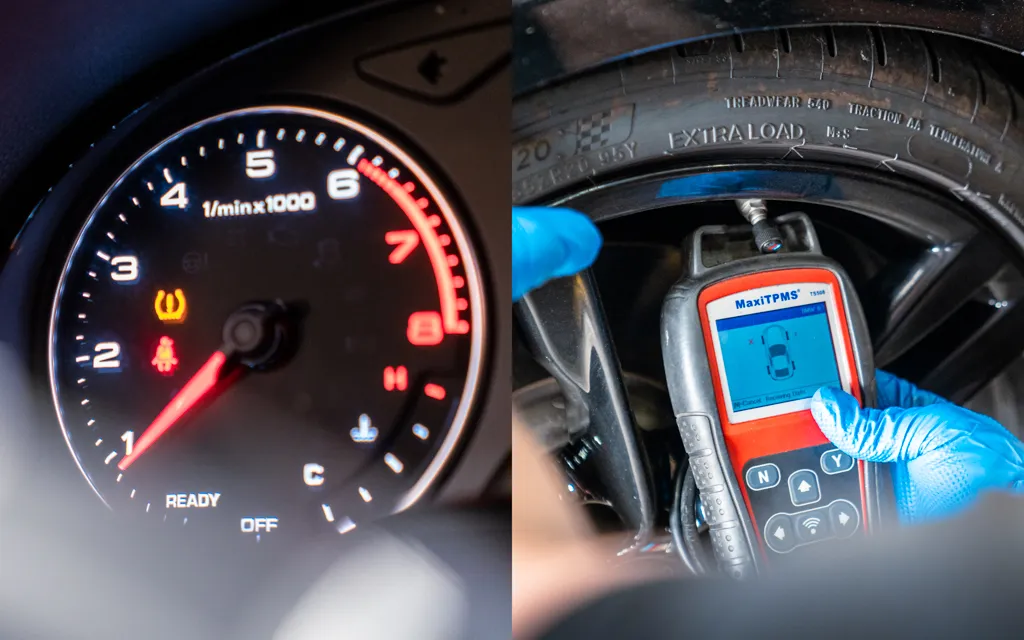
The TPMS warning light on your dashboard should turn off after you fix tire pressure. If it stays on, the system may be faulty. This light often looks like an exclamation point inside a flat tire symbol. A constant light means the sensors or system need service.
Inaccurate Tire Pressure Readings
If the pressure readings seem wrong or change suddenly, the TPMS may be failing. You might see numbers that are too high or too low compared to a manual check. Faulty sensors or low battery power can cause this problem.
Intermittent Warning Light
The warning light may flicker or turn on and off by itself. This can happen because of weak sensors or bad connections. The system may send mixed signals, causing confusion about tire pressure status.
Slow Response To Pressure Changes
The TPMS should alert you quickly when tire pressure drops. A slow or delayed warning means the system is not working properly. This delay can put you at risk during driving.
Sensor Battery Failure
TPMS sensors use small batteries that can die over time. A dead battery means the sensor cannot send signals to the car’s computer. You may notice the system stops working without clear warnings.
Tools Needed For Tpms Service
Servicing a Tire Pressure Monitoring System (TPMS) requires the right tools. These tools help check and maintain the system accurately. Using proper tools makes the job easier and safer.
Tpms Diagnostic Tool
This tool reads sensor data and error codes. It helps find problems in the TPMS quickly. Without it, diagnosing issues is difficult.
Tire Pressure Gauge
A reliable tire pressure gauge measures air pressure. It ensures tires have the correct pressure. Proper pressure is key for safety and tire life.
Valve Core Removal Tool
This small tool removes and installs valve cores. It allows access to the TPMS sensors inside tires. A necessary tool for sensor maintenance.
Torque Wrench
The torque wrench tightens sensor nuts to the right level. Over-tightening can damage sensors. Under-tightening can cause leaks.
Tpms Sensor Relearn Tool
This tool programs new sensors to the vehicle’s system. It completes the service process. Without it, sensors may not work correctly.
Preparing Your Vehicle
Preparing your vehicle is the first step in servicing the Tire Pressure Monitoring System (TPMS). Proper preparation ensures safety and accuracy during the process. It also helps prevent damage to the sensors and other vehicle parts.
Take time to gather tools and check the vehicle’s condition. This makes the service smoother and faster. Follow these steps to get your vehicle ready.
Park On A Flat Surface
Choose a flat and stable area to park your vehicle. This stops it from rolling during the service. Apply the parking brake for extra safety. A level surface helps get accurate tire pressure readings.
Turn Off The Engine
Switch off the engine before starting any work. This prevents accidental movements and electrical issues. It also lets the TPMS reset properly after the service.
Gather Necessary Tools
Collect all tools needed for the TPMS check. These include a tire pressure gauge, valve core tool, and a TPMS reset tool if required. Having tools ready saves time and avoids interruptions.
Check Tire Condition
Inspect tires for damage or wear. Look for cracks, punctures, or low tread depth. Good tire condition supports accurate pressure monitoring and sensor function.
Consult The Vehicle Manual
Read the vehicle manual for TPMS details. Find sensor locations and reset instructions. Each vehicle model may have specific steps for TPMS service.
Checking Tire Pressure Manually
Checking tire pressure manually is a simple way to keep your Tire Pressure Monitoring System (TPMS) working well. It helps spot problems early and keeps your tires safe. You do not need special tools or skills to check tire pressure yourself. Just a tire pressure gauge and a few minutes of your time.
Regular manual checks ensure your tires have the right air pressure. This keeps your car stable and saves fuel. Low pressure can cause uneven tire wear and reduce safety. Overinflated tires can also lead to poor handling. Checking pressure by hand helps balance these risks.
Gathering The Right Tools
Start by getting a reliable tire pressure gauge. Digital or dial gauges work best for accuracy. Avoid cheap or broken gauges that give wrong readings. Also, find the recommended tire pressure for your car. This is usually on the driver’s side door or in the owner’s manual.
Checking Tires When Cold
Check tire pressure when tires are cold. Cold tires give the most accurate pressure reading. Avoid checking right after driving, as heat raises pressure. Wait at least three hours after your car sits still. This step helps avoid false high readings.
How To Measure Tire Pressure
Remove the valve cap from the tire. Press the gauge firmly on the valve stem. Hold it until the gauge shows a number or beeps. Note the reading and compare it to the recommended pressure. Repeat for all tires, including the spare if you have one.
Adjusting Tire Pressure
Add air if the pressure is too low. Use an air compressor at a gas station or home pump. If pressure is too high, press the valve to release air slowly. Check the pressure again after adjusting. Repeat steps until the pressure matches the recommended level.
Resetting The Tpms
Resetting the Tire Pressure Monitoring System (TPMS) is an important step after checking or fixing your tires. This process ensures the system reads the correct tire pressure. Resetting helps avoid false warnings and keeps your vehicle safe. Several ways exist to reset the TPMS depending on your vehicle’s model.
Using The Vehicle’s Reset Button
Many cars have a dedicated TPMS reset button. This button is usually near the steering wheel or under the dashboard. To reset, turn the ignition on without starting the engine. Press and hold the reset button until the TPMS light blinks. Release the button and wait for the light to turn off. This means the system has reset successfully.
Resetting Via Onboard Computer
Some vehicles allow TPMS reset through the onboard computer screen. Use the menu to find the tire pressure or vehicle settings. Select the TPMS reset option. Confirm your choice and wait for the system to update. The warning light should turn off after a few moments. This method suits newer cars with digital displays.
Manual Reset After Tire Maintenance
After changing or rotating tires, manual reset might be necessary. First, check and adjust each tire’s pressure to the recommended level. Drive the vehicle for about 10 minutes at speeds above 30 mph. This helps the TPMS sensors recalibrate. If the light stays on, use the reset button or onboard computer method. Regular maintenance ensures accurate tire pressure readings.
Replacing Tpms Sensors
Replacing TPMS sensors is important for maintaining tire safety. Sensors can fail due to battery wear or damage. This section guides you through the sensor replacement process. Follow each step carefully to ensure your system works well.
Locating The Sensors
TPMS sensors are inside the tires. Usually, they attach to the valve stem. Some cars use sensors inside the wheel rim. Check your car manual for exact sensor locations. Most cars have one sensor per tire. Knowing their position helps during removal and installation.
Removing Old Sensors
First, deflate the tire completely. Use a tire removal tool to break the bead. Carefully pull the tire off the rim. Locate the sensor attached to the valve stem. Unscrew the sensor carefully from the valve. Avoid damaging the sensor or rim during removal. Keep old sensors aside for proper disposal.
Installing New Sensors
Place the new sensor on the valve stem. Tighten the sensor securely but avoid overtightening. Mount the tire back onto the rim. Inflate the tire to the correct pressure. Use a TPMS tool to program the new sensor. Check the system for proper sensor signals. Replace sensors one by one for best results.
Reprogramming And Relearning Sensors
Reprogramming and relearning sensors is a key step in maintaining your Tire Pressure Monitoring System (TPMS). This process helps the vehicle recognize new or reset sensors. It ensures accurate tire pressure readings and proper system function.
Sometimes, sensors lose connection with the car’s computer. This can happen after tire changes or sensor replacements. Reprogramming or relearning fixes this issue quickly.
Using A Tpms Tool
A TPMS tool is essential for reprogramming sensors. It reads sensor IDs and sends them to the car’s system. This tool communicates directly with each sensor.
Start by turning on the tool and placing it near the tire valve. Follow the tool’s instructions to scan each sensor. Once scanned, upload the sensor IDs to the car’s computer. This syncs the sensors with the vehicle.
Without this tool, the car may not recognize new sensors. The TPMS warning light might stay on. Using the tool saves time and ensures accurate data.
Driving To Relearn Sensors
Some cars relearn sensors by driving. This process lets the system detect sensors automatically. It often requires driving at a steady speed for a set time.
Check your vehicle manual for specific driving instructions. Usually, driving at 50 mph for 10 to 20 minutes helps. The car’s computer picks up each sensor’s signal during this drive.
This method is simple and requires no special tools. It is useful after sensor replacement or reset. The TPMS light should turn off after successful relearning.
Common Tpms Issues And Fixes
The Tire Pressure Monitoring System (TPMS) helps keep your vehicle safe by alerting you to low tire pressure. Problems with the TPMS can cause false warnings or no alerts at all. Knowing common issues and how to fix them saves time and money. This section covers frequent TPMS problems and simple solutions to keep the system working well.
Low Battery In Tpms Sensors
Most TPMS sensors have batteries that last 5 to 10 years. Low battery power causes the sensor to stop sending signals. The TPMS warning light will stay on. The fix is to replace the sensor or its battery. Only a professional can change the battery in some models.
Faulty Or Damaged Sensors
Sensors can break from road debris or poor installation. Damaged sensors fail to detect tire pressure. You may see a warning light or no reading at all. Replace damaged sensors with new ones. Make sure a technician installs them correctly.
Sensor Signal Interference
Metal parts or electronic devices near the sensor can block signals. This causes the TPMS to lose communication with the vehicle. Move any objects near the tire or sensor. Reset the TPMS system to restore connection.
Incorrect Sensor Relearn Procedure
After changing tires or sensors, the TPMS must relearn new sensor IDs. Skipping this step causes the system to show errors. Follow the vehicle manual to perform the relearn process. Use a TPMS tool or visit a mechanic.
Pressure Sensor Calibration Errors
Sometimes sensors report wrong pressure values. This happens if the sensor is not calibrated properly. Recalibrate sensors using a TPMS tool. Calibration ensures accurate tire pressure readings.
Maintaining Tpms For Longevity
Maintaining your Tire Pressure Monitoring System (TPMS) is key to its long life. Proper care keeps sensors working well and avoids costly repairs. Simple steps help protect the system and ensure accurate readings.
Regular checks and cleaning prevent damage from dirt and debris. Replacing batteries on time keeps sensors powered. Follow these easy tips to keep your TPMS in top shape.
Check Sensor Batteries Regularly
Sensor batteries last about 5 to 10 years. Weak batteries cause false alerts or no alerts at all. Test battery life during tire changes. Replace batteries before they fail.
Clean Sensors Carefully
Dirt and grime can block sensors. Use a soft cloth and mild soap to clean sensors. Avoid harsh chemicals that can damage sensor parts. Clean sensors during regular tire maintenance.
Inspect Sensor Valves
Valves can wear out or leak air. Check for cracks or corrosion on valve stems. Replace damaged valves to keep the system sealed. Good valve condition helps maintain tire pressure.
Update Tpms Software
Some vehicles need software updates for TPMS. Updates fix bugs and improve sensor accuracy. Visit your dealer or service center for updates. Keep software current for best performance.
Use Correct Tires And Tools
Use tires that fit your vehicle’s specifications. Wrong tires can affect sensor readings. Use proper tools during tire installation. Avoid damaging sensors during tire changes.
Credit: gotire.com
Frequently Asked Questions
How Often Should I Service My Tire Pressure Monitoring System?
You should service your TPMS every 1 to 2 years. Regular checks ensure sensors function correctly and prevent inaccurate readings. Servicing includes battery replacement and sensor inspection for optimal performance and safety.
What Tools Are Needed To Service A Tpms?
Basic tools include a tire pressure gauge, a TPMS reset tool, and a valve core remover. These help check sensor accuracy, reset the system, and replace or repair sensor components efficiently.
Can I Service Tpms Sensors Myself?
Yes, you can service TPMS sensors if you have the right tools and knowledge. However, some tasks may require professional help, especially sensor programming or replacement, to avoid damage or errors.
Why Is Tpms Sensor Battery Replacement Important?
Sensor batteries last 5 to 10 years. Replacing them ensures continuous sensor function and accurate tire pressure data, preventing warning light issues and maintaining vehicle safety.
Conclusion
Regularly checking and servicing your tire pressure system keeps you safe. It helps avoid sudden tire problems on the road. Clean sensors and replace batteries to keep the system working well. Simple steps can save money and prevent accidents. Stay alert to warning signs and fix issues quickly.
Taking care of your TPMS extends tire life and improves fuel efficiency. Keep your vehicle running smoothly by following these easy tips. Safety and savings go hand in hand with proper TPMS care.
As an Amazon Associate, I earn from qualifying purchases.

