
Are you ready to help Spanish speakers unlock the power of English? Teaching a new language can feel challenging, but with the right approach, you can make learning simple and fun.
Imagine seeing your students gain confidence, speak clearly, and open doors to new opportunities. This guide will give you practical tips and proven methods to connect with Spanish learners, break down barriers, and make English come alive for them. Keep reading—you’re about to discover how to make a real difference in your students’ lives.
Credit: learningreadinghub.com
Challenges For Spanish Speakers
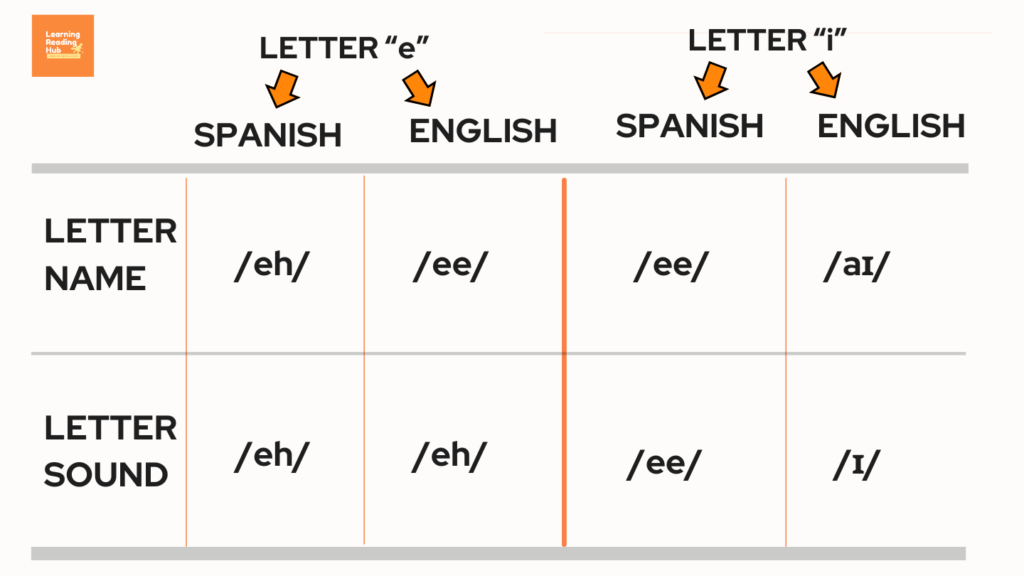
Teaching English to Spanish speakers has unique challenges. Their native language influences how they learn English. Spanish and English differ in sounds, grammar, and vocabulary. These differences can cause confusion and mistakes. Understanding these challenges helps create better lessons.
Common Pronunciation Issues
Spanish speakers often struggle with English sounds not in Spanish. The “v” and “b” sounds can sound the same to them. English “th” sounds, like in “think” or “this,” are hard to pronounce. They might say “tink” instead of “think.” Stress and intonation patterns differ too. English stresses one syllable more strongly. Spanish has more even stress, causing unnatural speech rhythm.
Grammar Differences
Spanish grammar rules differ from English rules. Spanish nouns have gender, but English nouns do not. This can confuse learners when using articles like “a” or “the.” Verb tenses work differently in both languages. Spanish uses fewer auxiliary verbs than English. Sentence structure also changes. Spanish sentences often place adjectives after nouns, unlike English.
False Cognates To Watch
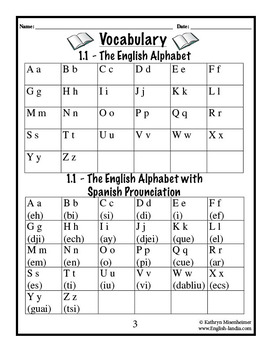
False cognates are words that look alike but mean different things. Spanish speakers may confuse “actual” with “actual” in English. In Spanish, “actual” means current, not real. Another example is “embarazada,” which means pregnant, not embarrassed. These false friends cause misunderstandings. Teachers should highlight these words to avoid mistakes.
Credit: www.teacherspayteachers.com
Effective Teaching Strategies
Teaching English to Spanish speakers requires clear and effective strategies. These strategies help learners understand and remember new words and rules. Using the right methods makes learning easier and more fun. Teachers can help students gain confidence by choosing simple and practical ways to teach.
Using Visual Aids
Visual aids help students connect words with images. Pictures, charts, and flashcards make ideas clear. They reduce confusion and help memory. Showing a picture of an apple when saying the word helps students remember it. Videos and diagrams add variety and keep lessons interesting. Visual tools support learners who struggle with text alone.
Incorporating Cultural Context
Linking English lessons to Spanish culture builds understanding. Using examples from students’ daily lives makes lessons relatable. Talk about common foods, holidays, and traditions. This approach makes new vocabulary meaningful. It also respects students’ background and makes learning respectful. Cultural context helps students see why learning English matters.
Interactive Activities
Active participation improves language skills faster. Role-plays, group work, and games encourage speaking and listening. Students practice real-life conversations in a safe space. Interactive tasks keep learners motivated and focused. They also help teachers spot problems early. Fun activities create a positive learning environment.
Building Vocabulary
Building vocabulary is a key step in teaching English to Spanish speakers. It helps learners communicate clearly and understand what they hear and read. Teaching new words in a simple, organized way makes learning easier and faster.
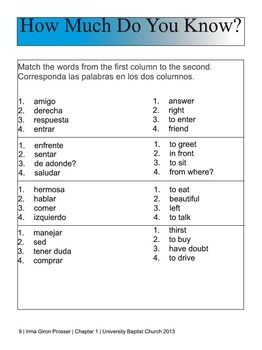
Start with words that appear often in daily life. This helps students use English right away. Grouping words by family and meaning also aids memory. Using real-life situations helps learners see how words work in context.
Focus On High-frequency Words
High-frequency words are the most common words in English. These include words like “go,” “make,” “see,” and “good.” Teaching these first gives students tools to form basic sentences quickly. These words appear in many conversations and texts. Repeating them often helps students remember and use them naturally.
Using Word Families
Word families are groups of words with the same root. For example, “play,” “player,” and “playing” belong to one family. Teaching word families helps students learn related words together. This expands vocabulary without overwhelming learners. It also shows how words change to fit different sentences.
Contextual Learning Techniques
Context helps students understand how to use new words. Use pictures, stories, and real-life examples. This shows the meaning of words clearly. Role-playing and conversations also build context. Students remember words better when they connect them to real situations.
Credit: www.teacherspayteachers.com
Improving Pronunciation
Improving pronunciation is key when teaching English to Spanish speakers. Clear speech helps learners communicate better and feel more confident. Focus on sounds that differ between English and Spanish. Practice often to build good habits.
Phonetic Practice
Start with phonetic exercises to teach English sounds. Use the International Phonetic Alphabet (IPA) to show how sounds are made. Break words into sounds and practice them slowly. This helps learners hear and produce new sounds correctly.
Listening And Repeating Exercises
Use short audio clips with clear pronunciation. Learners listen carefully and repeat each word or sentence. This trains their ears and mouth to match English sounds. Repeat exercises daily for better results.
Minimal Pairs Drills
Minimal pairs are words that differ by one sound, like “ship” and “sheep.” Practice these pairs to highlight small sound differences. This drill improves learners’ ability to hear and say tricky sounds. It also reduces common pronunciation errors.
Grammar Tips
Teaching English grammar to Spanish speakers requires focus on key differences. Spanish and English grammar rules vary in many ways. Clear grammar tips help students avoid common mistakes. Targeted practice builds confidence and accuracy.
Tense Usage Differences
Spanish verbs change more for tense than English verbs do. English uses fewer verb forms, so focus on simple past, present, and future. Teach regular and irregular verbs separately. Show examples to compare tenses in both languages. Practice using sentences with clear time markers like “yesterday” or “tomorrow”.
Article And Preposition Challenges
Spanish and English use articles differently. English has “a,” “an,” and “the,” while Spanish often omits them. Teach when to use each article in English. Prepositions cause confusion because they rarely translate word for word. Use simple phrases to practice prepositions like “in,” “on,” and “at”. Visual aids help explain prepositions clearly.
Sentence Structure Practice
English sentence order is usually Subject-Verb-Object. Spanish allows more flexibility. Teach students to build sentences following English order. Start with short, simple sentences. Use exercises that rearrange words to form correct sentences. Repetition helps students get used to new structures.
Encouraging Communication
Encouraging communication is key to teaching English to Spanish speakers. Speaking practice builds confidence and helps learners use new words. It makes learning more natural and fun. Letting students talk often helps them improve faster.
Role-playing Scenarios
Role-playing lets students act out real-life situations. They can practice ordering food, asking for directions, or shopping. This method helps learners use useful phrases in context. It also reduces fear of making mistakes. Role-playing creates a safe space to try speaking English.
Group Discussions
Group discussions encourage students to share ideas and opinions. Talking with peers improves listening and speaking skills. It helps learners practice new vocabulary in different topics. Group talks also build teamwork and social skills. Everyone gets a chance to speak and learn from others.
Real-life Conversations
Real-life conversations help learners connect English to daily life. Encourage students to talk with native speakers or classmates outside class. This practice boosts confidence and listening ability. Real conversations show how English is used naturally. They make learning meaningful and exciting.
Leveraging Technology
Technology offers many tools to help Spanish speakers learn English. It makes learning fun and interactive. Technology fits different learning styles and speeds. It also allows practice anytime, anywhere. Using technology can boost confidence and improve skills quickly.
Language Learning Apps
Language apps provide daily lessons and practice exercises. They use games, quizzes, and flashcards to teach words. Apps like Duolingo and Babbel offer English courses for Spanish speakers. These apps track progress and give instant feedback. Learners enjoy short sessions that fit busy schedules.
Online Resources
Websites offer free lessons, worksheets, and grammar tips. Some sites have forums to ask questions and share ideas. Online dictionaries help with pronunciation and meaning. Many resources explain English using Spanish translations. This helps learners understand new concepts faster.
Multimedia Tools
Videos and audio clips improve listening and speaking skills. Watching English shows with Spanish subtitles builds vocabulary. Podcasts allow practice of pronunciation and comprehension. Interactive stories and songs make learning engaging. These tools expose learners to real-life English usage.
Assessing Progress
Assessing progress is key when teaching English to Spanish speakers. It shows how well students learn and where they need help. Regular checks keep learners motivated and focused. It also guides teachers to adjust their lessons for better results.
Regular Quizzes
Quizzes help track vocabulary and grammar understanding. Short quizzes after lessons work best. They keep students alert and improve memory. Use simple questions that match lesson topics. Quizzes reveal which areas need more practice.
Speaking Assessments
Speaking is hard for many Spanish speakers. Regular speaking tests build confidence and skill. Use easy topics like daily routines or hobbies. Listen carefully to pronunciation and sentence structure. Encourage students to speak more without fear.
Feedback And Adjustments
Feedback guides learners to improve. Give clear, kind, and specific comments. Highlight what they do well and what to fix. Adjust teaching plans based on test results and feedback. Tailored lessons help students progress faster.
Frequently Asked Questions
How Can I Start Teaching English To Spanish Speakers?
Begin with basic vocabulary and common phrases. Use visual aids and simple sentences. Focus on pronunciation differences and everyday communication skills.
What Are Effective Methods For Teaching English Pronunciation?
Use phonetic exercises, repetition, and listening practices. Compare English sounds to Spanish equivalents. Encourage speaking and provide corrective feedback gently.
Which Grammar Topics Are Hardest For Spanish Speakers?
English verb tenses and prepositions can be challenging. Focus on present perfect and phrasal verbs. Use clear examples and practice exercises.
How To Keep Spanish Learners Motivated In English Classes?
Set achievable goals and celebrate progress. Use interactive activities and culturally relevant materials. Encourage conversation to build confidence and interest.
Conclusion
Teaching English to Spanish speakers takes patience and clear steps. Use simple words and speak slowly. Practice often with speaking, reading, and writing exercises. Encourage learners to ask questions and try new sentences. Remember, small daily efforts bring steady progress.
Stay positive and make learning fun. This way, learners build confidence and skills naturally. Keep lessons practical and connected to real life. Over time, English will feel easier and more natural. Success grows from kindness, practice, and steady work.
As an Amazon Associate, I earn from qualifying purchases.

