
Wiring a phone cable might seem tricky, but it’s easier than you think. If you want clear calls and a reliable connection, knowing how to wire your phone cable correctly is key.
In this guide, you’ll learn simple steps that save you time and frustration. Whether you’re fixing a broken line or setting up a new one, by the end, you’ll feel confident handling your phone cables like a pro. Ready to get started?
Let’s dive in!
Credit: www.youtube.com
Tools And Materials Needed
Before wiring a phone cable, gather the right tools and materials. Having everything ready makes the job easier and faster. This section explains what you need to start wiring a phone cable safely and correctly.
Essential Tools
A few basic tools help you wire a phone cable properly. A wire stripper removes the outer cover without damaging wires inside. A punch-down tool pushes wires into the terminal block securely. A crimping tool attaches connectors to the cable ends. A multimeter tests the cable for proper connections. A small screwdriver helps open phone jacks or panels.
Types Of Phone Cables
Phone cables come in different types for various uses. The most common is the flat phone cable with four or six wires. Twisted pair cables reduce interference and improve signal quality. Some cables have more wires for complex phone systems. Choose the right cable type based on your phone system needs.
Credit: www.doityourself.com
Preparing The Cable
Preparing the phone cable is the first step in wiring it correctly. It involves getting the cable ready by removing the outer layer and sorting the wires inside. This process helps ensure a clean connection and better signal quality. Proper preparation saves time and prevents mistakes during installation.
Stripping The Outer Jacket
Start by using a cable stripper or a sharp knife. Carefully cut around the outer jacket without cutting the wires inside. Peel off the jacket to expose the wires. Usually, the jacket is made of plastic or rubber. Remove about two inches to have enough wire to work with.
Separating The Wires
Inside the cable, you will see several small wires twisted together. Gently pull them apart without damaging their insulation. Identify the wire pairs by their colors. Keep the wires straight and untangled. This step makes it easier to connect the wires to the phone jack or plug.
Wire Color Codes
Understanding wire color codes is essential for wiring a phone cable correctly. These colors help identify each wire’s purpose. Correct wiring prevents connection problems and phone line damage.
Most phone cables follow standard color codes. Knowing these standards makes the wiring process easier. It also ensures compatibility with phone systems and devices.
Common Color Standards
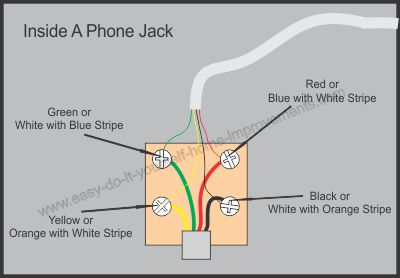
Phone cables often use a set of four wires with specific colors. The most common colors are red, green, yellow, and black. Each color connects to a different part of the phone line.
Red and green wires carry the main phone signal. Yellow and black wires serve as a secondary line or for other functions. Some cables may have additional colors for extra lines.
Following these color standards helps avoid wiring errors. It also makes troubleshooting easier if issues arise later.
Matching Wires Correctly
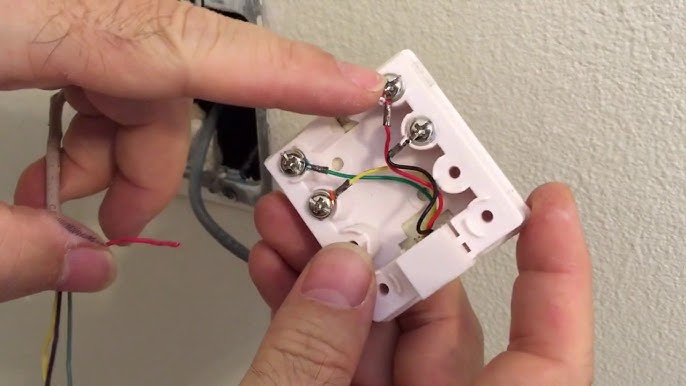
Match each wire by color to the correct terminal on the phone jack. Red connects to the red terminal, green to green, and so on. This ensures the phone line works properly.
Use a wiring diagram or guide to confirm wire placement. Avoid swapping wires as this can cause no dial tone or static noise. Take care to strip the wire insulation without damaging the copper inside.
Check all connections before testing the phone line. Proper matching of wires ensures clear voice calls and stable connections.
Connecting The Wires
Connecting the wires is a key step in wiring a phone cable. It ensures the signal travels correctly through the line. This step requires care and the right tools. Proper connection avoids call drops and static noise. Two common methods are using a punch down tool and twisting wires together.
Using A Punch Down Tool
A punch down tool pushes wires into a terminal block firmly. It cuts the wire’s insulation and secures the wire in place. First, strip a small part of the wire’s outer cover. Place each wire into the correct slot on the block. Press the tool down until you hear a click. This sound means the wire is set properly. Punch down tools make strong, lasting connections. They are perfect for professional or home phone wiring.
Twisting Wires Together
Twisting wires is a simple way to connect phone cables. Strip the outer cover to expose the inner wires. Match the wire colors according to the phone standard. Twist the matching wires tightly together by hand. Use electrical tape to cover the twisted wires. This prevents wires from touching and causing shorts. Twisting is quick and works well for small fixes. It is less durable than punch down but easy to do anywhere.
Testing The Connection
Testing the connection is an important step after wiring a phone cable. It helps confirm that the phone line works correctly. Proper testing can save time and avoid frustration later.
Check the connection carefully before using the phone. This ensures clear calls and prevents signal problems.
Using A Phone Line Tester
A phone line tester is a small device that checks the phone cable’s signal. Connect the tester to the phone jack. The device will show if the line is active or dead.
Look for lights or numbers on the tester. These indicate the quality of the connection. A strong signal means the wiring is done correctly.
Troubleshooting Common Issues
Sometimes the line tester shows no signal or weak signal. This means there could be a wiring problem. Double-check the cable connections and color codes.
Make sure wires are firmly attached to the terminals. Loose wires cause bad connections. Replace any damaged cables to fix issues.
Test the phone with another known working line. This helps find if the problem is in the phone or cable.

Credit: www.youtube.com
Securing And Finishing
Securing and finishing your phone cable wiring is a key step. It ensures durability and a clean look. Proper finishing avoids loose wires and connection issues. It also protects the cable from damage and wear. Take time to manage the cable well and protect the connection.
Proper Cable Management
Organize the cables neatly along walls or baseboards. Use cable clips or ties to keep wires in place. Avoid sharp bends or kinks in the cable. Keep cables away from heat sources or heavy foot traffic. Good cable management reduces the risk of damage and interference.
Protecting The Connection
Cover the connection points with protective boots or caps. Use electrical tape or shrink tubing to seal the joints. This prevents dust, moisture, and dirt from entering. A well-protected connection lasts longer and works better. Double-check the connection is tight before sealing it.
Frequently Asked Questions
How Do I Wire A Phone Cable Step-by-step?
Start by stripping the cable jacket carefully. Then, separate and arrange the wires by color. Insert wires into the correct pins on the connector. Crimp the connector securely. Test the cable with a phone tester to ensure proper wiring.
What Tools Are Needed To Wire A Phone Cable?
You need a wire stripper, crimping tool, RJ11 or RJ14 connectors, and a phone cable tester. These tools help strip insulation, secure connectors, and verify wiring. Using the right tools ensures a reliable phone cable connection.
Can I Wire A Phone Cable Without Professional Help?
Yes, wiring a phone cable is simple and can be done by beginners. Follow a wiring guide carefully and use proper tools. Always test the cable after wiring to avoid connectivity issues.
What Colors Correspond To Phone Cable Wiring?
Phone cables typically use red, green, yellow, and black wires. Red and green are the primary line pair, while yellow and black are secondary. Correct color matching is crucial for proper phone line function.
Conclusion
Wiring a phone cable is simpler than it seems. Follow each step with care and patience. Check your work to avoid common mistakes. Using the right tools makes the job easier. You can save money by doing it yourself. Practice will improve your skills over time.
Keep your workspace clean and organized. Soon, you will feel confident handling phone cables. This guide helps you stay connected without trouble. Give it a try, and see the results for yourself.
As an Amazon Associate, I earn from qualifying purchases.

