As an Amazon Associate, I earn from qualifying purchases.
Are you planning to carry your 20000mAh power bank on your next flight? You might be wondering if it’s even allowed in the cabin or if it will be taken away at security.
Since power banks are essential for keeping your devices charged while traveling, knowing the rules can save you from unexpected hassles. You’ll discover exactly what airlines and security agencies say about carrying high-capacity power banks like yours. Keep reading to avoid surprises and make your trip smoother!
Power Bank Capacity Limits
Power bank capacity limits are important for safe air travel. Airlines and authorities set rules to prevent battery fires. Knowing these limits helps you carry your power bank without trouble. Usually, the limit is based on the battery’s watt-hour (Wh) rating, not just mAh. This section explains the rules from airlines and international standards.
Airline Regulations
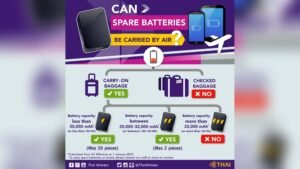
Most airlines allow power banks up to 100Wh without approval. Passengers can carry these power banks in carry-on bags only. Power banks between 100Wh and 160Wh need airline approval before boarding. Power banks over 160Wh are usually banned on flights. Airlines may also limit the number of power banks per passenger. Always check your airline’s specific rules before packing.
International Standards
The International Air Transport Association (IATA) sets global guidelines for batteries. IATA limits power banks to 100Wh for general carriage. Approval is required for devices between 100Wh and 160Wh. Batteries over 160Wh cannot be carried on passenger planes. These standards ensure safety and reduce fire risk. Following these rules helps keep flights safe worldwide.
Calculating Watt-hours
Understanding the watt-hours of a power bank is key for air travel rules. Airlines limit battery capacity based on watt-hours, not milliamp hours (mAh). Converting mAh to watt-hours helps you know if your power bank is allowed on a flight.
This calculation shows the energy stored in the battery. It helps avoid surprises at airport security.
Formula For Conversion
To find watt-hours, multiply milliamp hours by voltage, then divide by 1000.
The formula looks like this: Watt-hours (Wh) = (mAh × V) ÷ 1000.
Most power banks use 3.7 volts as the standard voltage.
For example, a 20000mAh power bank equals (20000 × 3.7) ÷ 1000 = 74 Wh.
Why Watt-hours Matter
Airlines use watt-hours to set battery limits. Batteries under 100 Wh are usually allowed without approval.
Batteries between 100 Wh and 160 Wh may need airline permission. Above 160 Wh, they often get banned.
Knowing watt-hours helps prevent problems at security checkpoints. It ensures your power bank meets airline rules.
Carry-on Vs Checked Baggage
Carrying a 20000mAh power bank on a flight requires knowing the rules for carry-on and checked baggage. Airlines and safety agencies treat these two types of baggage differently. Batteries have limits that help prevent fire risks during flights. Understanding these rules helps avoid delays or confiscation at the airport.
Rules For Carry-on
Most airlines allow power banks up to 20000mAh in carry-on bags. The battery must be under 100Wh or about 27000mAh. Passengers should keep the power bank in their hand luggage, not in checked bags. The device must be protected against short circuits. Airlines may ask to see the power bank at security checks. Keeping it easily accessible speeds up the process.
Restrictions For Checked Bags
Power banks are usually not allowed in checked baggage. The risk of fire is higher if the battery is damaged. Airlines and regulators often ban lithium batteries in checked bags. Some carriers may allow smaller batteries but not large ones like 20000mAh. It is safer and smarter to carry your power bank in the cabin. This reduces risk and follows airline rules clearly.
Safety Measures For Power Banks
Carrying a power bank on a flight requires extra care for safety. Airlines and regulators set rules to stop accidents. Following safety measures helps keep you and others safe during travel.
Power banks store a lot of energy. If damaged or mishandled, they can cause fires or short circuits. Proper steps reduce these risks and make flying safe for everyone.
Proper Packaging
Always pack your power bank in its original box or a protective case. This prevents damage from bumps or pressure. Avoid placing it in checked luggage. Carry power banks in your hand luggage only.
Keep the power bank away from metal objects like keys or coins. These can cause sparks or short circuits. Use a separate pouch or sleeve to keep it safe and isolated.
Avoiding Damage And Short Circuits
Never use a damaged power bank on a flight. Cracks, swelling, or leaks indicate danger. Check your device before packing. If it looks unsafe, do not bring it on board.
Turn off the power bank during the flight. This lowers the risk of accidental activation or overheating. Avoid charging the power bank in crowded places. Use only the recommended cables and chargers.
Airline-specific Policies
Airline-specific policies play a big role in deciding if you can carry a 20000mAh power bank on a flight. Each airline sets its own rules about battery capacity and how to pack power banks. These rules help keep flights safe and avoid any problems during travel.
Understanding these policies before your trip can save you time and stress. Some airlines allow power banks up to a certain size, while others have stricter limits. Knowing these details helps you pack smart and follow the rules easily.
Differences Among Major Airlines
Major airlines have different rules for power banks. For example, some allow power banks up to 20000mAh in carry-on bags only. Others might require you to inform staff or get approval first.
Some airlines ban power banks larger than 100Wh, which is about 27000mAh. Others follow the International Air Transport Association (IATA) guidelines strictly. This means your 20000mAh power bank is usually allowed but with conditions.
Checking Before You Fly
Always check the airline’s website before your flight. Look for their rules on lithium batteries and power banks. This helps avoid surprises at the airport.
Contact customer service if the website is unclear. They can confirm if your 20000mAh power bank is allowed on board. This small step keeps your travel smooth and worry-free.
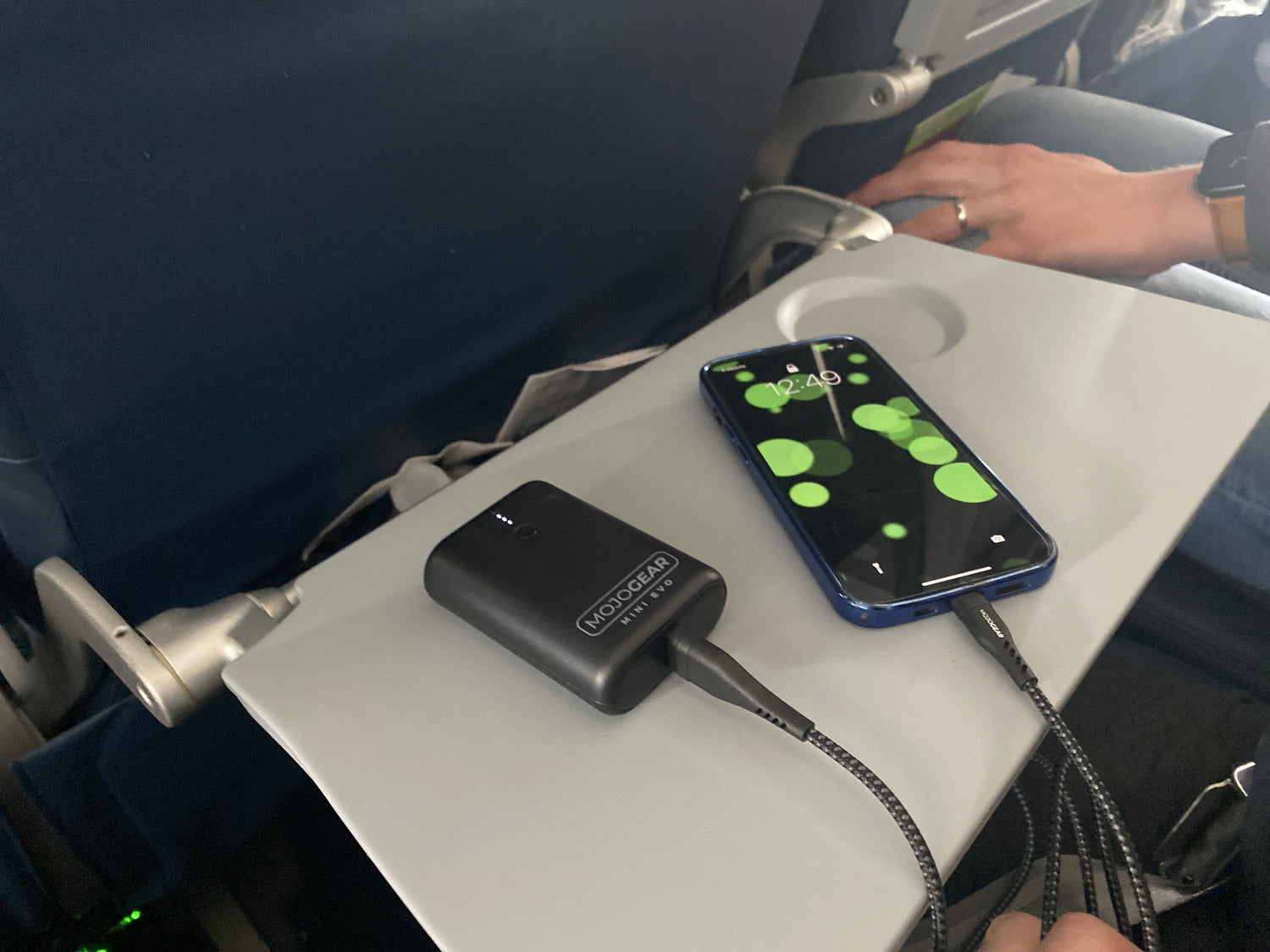
Credit: mojogear.eu
Consequences Of Non-compliance
Carrying a 20000mAh power bank on a flight without following rules can lead to serious problems. Airlines and security teams have strict limits on battery size. Ignoring these rules puts you at risk of penalties. It can also delay your trip or stop you from boarding. Understanding the consequences helps you avoid trouble and travel smoothly.
Possible Fines And Penalties
Airports and airlines may fine passengers who bring large power banks illegally. Fines can be expensive and vary by country. Security officers might also confiscate the power bank. In some cases, travelers face warnings or bans from future flights. Authorities take battery safety very seriously to prevent accidents.
Impact On Travel Plans
Non-compliance can disrupt your travel schedule. Security checks may take longer or cause you to miss your flight. You might need to discard the power bank before boarding. This can be frustrating and costly. Planning ahead and following rules keeps your journey stress-free.
Tips For Traveling With Power Banks
Traveling with a power bank can keep your devices charged on the go. It helps during long flights and layovers. Carrying the right power bank and using it properly makes travel easier. Follow simple tips to avoid issues at airport security and on the plane.
Choosing The Right Size
Airlines limit the size of power banks you can carry. Most allow up to 100Wh without approval. A 20000mAh power bank is usually about 74Wh. Check your power bank’s label to confirm its capacity. Pick a size that fits airline rules to avoid problems. Smaller power banks are easier to carry and less likely to be restricted.
Keeping Power Banks Accessible
Always keep your power bank in your carry-on bag. Airport security may ask to see it separately. Do not pack power banks in checked luggage. It is safer and follows airline regulations. Keep the power bank charged enough for security checks. Easy access helps you pass through security smoothly and quickly.
Credit: www.escolalesfontsgelida.cat

Credit: www.esseg.eu
Frequently Asked Questions
Is A 20000mah Power Bank Allowed On Flights?
Yes, a 20000mAh power bank is generally allowed on flights. Airlines permit power banks below 100Wh in carry-on luggage. Since 20000mAh typically equals 74Wh, it falls within the limit. Always check specific airline rules before traveling.
Can I Carry A 20000mah Power Bank In Checked Luggage?
No, power banks, including 20000mAh ones, are not allowed in checked luggage. Airlines require all power banks to be in carry-on bags. This is for safety reasons related to battery fire risks. Always keep your power bank with you during the flight.
How To Calculate The Wh Rating Of A 20000mah Power Bank?
To calculate Wh, multiply mAh by voltage (usually 3. 7V), then divide by 1000. For 20000mAh: (20000 x 3. 7) / 1000 = 74Wh. This helps determine if your power bank meets airline limits. Always check the label for exact voltage.
What Happens If A Power Bank Exceeds Airline Capacity Limits?
If a power bank exceeds 100Wh, it usually requires airline approval or is banned. Exceeding limits can lead to confiscation or denied boarding. Always verify your power bank’s Wh rating and airline policies before flying to avoid issues.
Conclusion
Carrying a 20000mAh power bank on a flight is usually allowed. Airlines set rules to keep everyone safe. Most let you bring power banks under 100Wh in carry-on bags. Always check your airline’s specific rules before traveling. Keep the power bank charged below the limit.
Follow security staff instructions at the airport. Being prepared avoids delays and stress. Stay informed and travel smart with your power bank. Safe journeys!
As an Amazon Associate, I earn from qualifying purchases.