Have you ever wondered if the cable connecting your computer to the internet is the same as the one you use for your phone line? It’s easy to mix them up because they look similar at first glance.
But using the wrong cable can cause slow internet, dropped calls, or even damage your devices. If you want to make sure you’re using the right cable and avoid common tech mistakes, keep reading. This guide will clear up the confusion and help you understand the key differences between an Ethernet cable and a phone cable.
Your connection—and your peace of mind—depend on it.
Cable Types Compared
Ethernet cables and phone cables look similar but serve different purposes. Comparing these cable types helps understand their unique roles in technology. Both have distinct designs and uses. Knowing the basics of each cable type clears up common confusion.
Ethernet Cable Basics
Ethernet cables connect devices to the internet or local networks. They carry data at high speeds. These cables have eight wires inside, twisted into pairs. This design reduces interference and keeps signals strong. Common types include Cat5, Cat5e, and Cat6. They support fast internet and reliable connections. Ethernet cables use RJ45 connectors, which are larger than phone cable plugs. They are thicker and more durable.
Phone Cable Basics
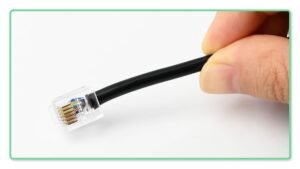
Phone cables connect telephones to wall jacks. They carry voice signals or low-speed data. Phone cables usually have fewer wires, often four or six. Their wires are thinner and less twisted. They use RJ11 connectors, smaller than Ethernet plugs. Phone cables are simpler and less expensive. They are not designed to handle fast internet or large data loads.
Physical Differences
Ethernet cables and phone cables look similar but have clear physical differences. These differences help each cable serve its specific purpose. Understanding these differences can help you choose the right cable for your needs.
Connector Shapes And Sizes
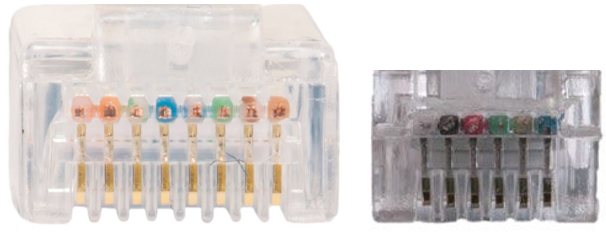
Ethernet cables use an RJ45 connector. It is larger with eight metal pins. Phone cables use an RJ11 connector. This connector is smaller and has four or six pins. The size difference makes them incompatible with each other’s ports.
Cable Thickness And Design
Ethernet cables are thicker and sturdier. They contain more wires inside for faster data transfer. Phone cables are thinner and lighter. They carry less data and support voice signals mainly. The outer layer of Ethernet cables is also stronger to protect the wires.
Wiring And Pin Configuration
Understanding the wiring and pin configuration helps to know the difference between Ethernet and phone cables. These cables look similar but have different purposes. Their internal wiring and how pins connect vary greatly. This affects their performance and compatibility with devices.
Number Of Wires
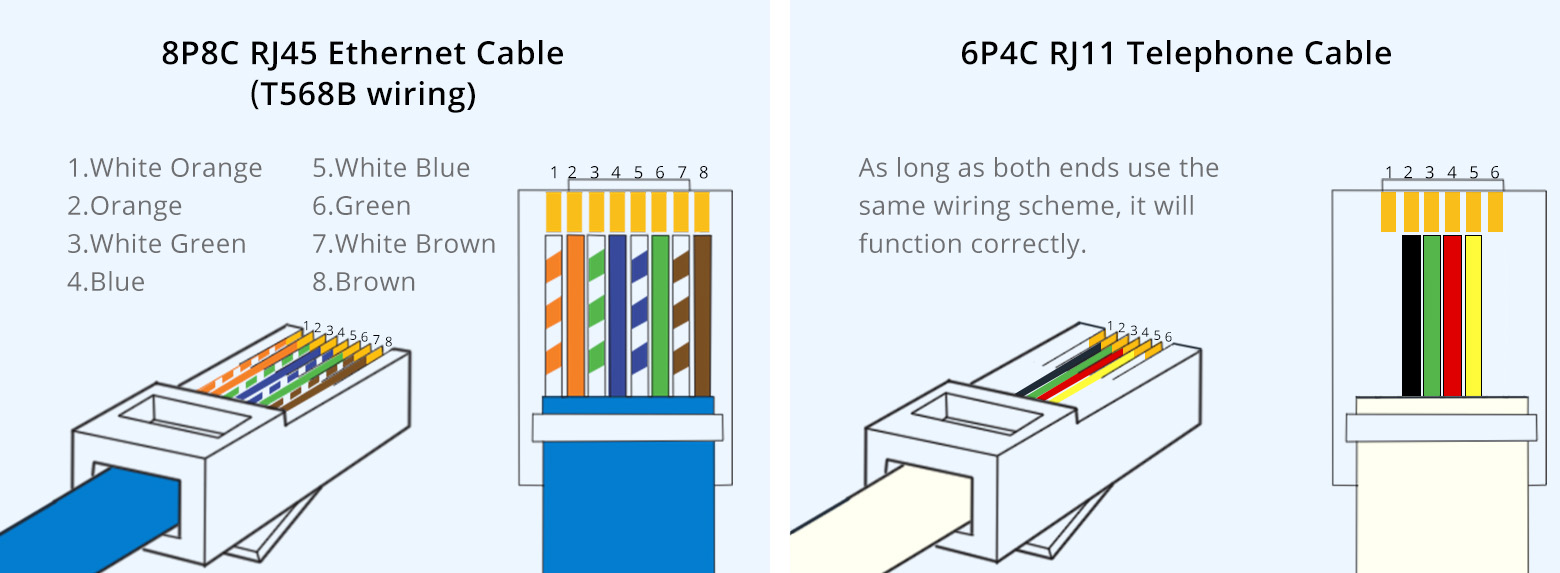
Ethernet cables usually have eight wires inside. These wires are twisted into four pairs. The twisting reduces interference and improves signal quality. Phone cables have fewer wires, often just two or four. These wires carry voice signals and low-speed data. The number of wires impacts how much data a cable can carry.
Wiring Standards
Ethernet cables follow specific wiring standards like T568A and T568B. These standards organize the wire pairs for proper data transmission. Phone cables do not follow these strict standards. They use simpler wiring schemes for voice signals. The difference in wiring standards means Ethernet and phone cables are not interchangeable.
Performance And Speed
Performance and speed are key factors in comparing Ethernet cables and phone cables. Both cables carry signals but serve different purposes. The type of cable impacts how fast and clear data travels. Understanding their differences helps you choose the right cable for your needs.
Data Transmission Rates
Ethernet cables offer much higher data rates than phone cables. Ethernet can handle speeds from 100 Mbps to 10 Gbps and beyond. Phone cables, designed for voice signals, transmit data much slower. Typical phone lines support speeds below 56 Kbps. This makes Ethernet better for internet and network connections.
Signal Quality And Interference
Ethernet cables have better shielding to reduce interference. They use twisted pairs of wires to minimize signal loss. Phone cables also use twisted pairs but have less shielding. This makes phone cables more prone to noise and interference. Ethernet cables maintain stronger and clearer signals over longer distances.
Common Uses
Ethernet cables and phone cables serve different purposes in daily life. Both cables carry signals, but their uses vary widely. Understanding their common uses helps you choose the right cable for your needs.
Home And Office Networking
Ethernet cables connect devices to the internet or local networks. They link computers, printers, and routers. This cable type supports fast data transfer and stable connections. Offices rely on Ethernet for smooth communication and file sharing. Homes use it for streaming, gaming, and smart devices. Ethernet cables are thicker and have more wires inside than phone cables.
Telephone And Voice Services
Phone cables connect telephones to wall jacks and phone lines. They carry voice signals for calls and fax machines. These cables are thinner and have fewer wires. They work well for voice transmission but not for high-speed internet. Phone cables are common in homes and offices for landline phones. They are not designed for modern internet needs.
Credit: www.reddit.com
Compatibility Issues
Compatibility issues arise because Ethernet and phone cables serve different functions. Their designs and wiring differ, causing problems if used interchangeably. Understanding these differences helps avoid connection troubles.
Using Phone Cables For Ethernet
Phone cables have fewer wires than Ethernet cables. They carry voice signals, not data at high speeds. Using phone cables for Ethernet can slow down your internet. The connection may be unstable or drop often. Phone cables lack the shielding to block interference for data signals. This causes poor network performance and frustration.
Using Ethernet Cables For Phones
Ethernet cables have more wires and better shielding. They can carry phone signals, but this is not common. Using Ethernet cables for phones usually works fine. The extra wires remain unused but do not cause harm. Ethernet cables are thicker and less flexible than phone cables. This can make installation in tight spaces harder.
Choosing The Right Cable
Choosing the right cable is important for your internet or phone setup. The wrong cable can cause slow speeds or poor connections. Different cables serve different purposes. Understanding these differences helps you pick the best option.
Focus on what you need the cable to do. This makes the choice easier and more effective.
Assessing Your Needs
Think about the device you want to connect. Ethernet cables work best for internet and network devices. Phone cables are for voice calls and older phone systems. Check the ports on your device. They must match the cable type. Consider the speed and distance the cable must cover. Ethernet cables handle faster data over longer distances. Phone cables usually support slower signals and shorter ranges.
Cost And Availability
Ethernet cables cost more than phone cables. This is due to their higher data capacity. Phone cables are cheaper and easier to find. Stores sell them in many places. Ethernet cables come in different categories with varying prices. Choose one that fits your budget and need. Buying the wrong cable can waste money and cause problems later.
Credit: www.fs.com
Credit: www.showmecables.com
Frequently Asked Questions
What Is The Difference Between Ethernet And Phone Cables?
Ethernet cables transmit data for internet and networks. Phone cables carry voice signals for telephone calls. They differ in wiring, connectors, and speed capabilities, making them incompatible for direct substitution.
Can I Use A Phone Cable For Internet Connection?
No, phone cables lack the wiring and speed needed for internet data. Ethernet cables are designed for high-speed network connections. Using phone cables may cause poor performance or no connection.
Are Ethernet And Phone Cable Connectors Interchangeable?
No, Ethernet cables use RJ45 connectors, while phone cables use RJ11. RJ45 connectors are larger with more pins. These connectors are not compatible or interchangeable between devices.
Why Do Ethernet Cables Have More Wires Than Phone Cables?
Ethernet cables have eight wires to support faster data transfer and network protocols. Phone cables usually have two to four wires for basic voice communication. More wires improve Ethernet’s performance and reliability.
Conclusion
Ethernet cables and phone cables look alike but serve different purposes. Ethernet cables carry internet data at high speeds. Phone cables mainly transmit voice signals and slower data. Using the wrong cable can cause connection issues. Choosing the right cable ensures better performance and reliability.
Now you know why these cables are not the same. Understanding this helps you set up your devices correctly. Simple but important for a smooth internet or phone experience.
As an Amazon Associate, I earn from qualifying purchases.