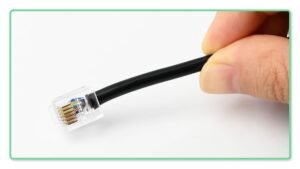
Have you ever looked at the cables behind your computer or phone and wondered if the Ethernet cable and the phone cable are actually the same? It’s easy to get confused because they can look quite similar at first glance.
But knowing the difference can save you time, money, and frustration when setting up your internet or phone connection. You’ll discover what sets these cables apart and why using the right one matters for your devices. Keep reading—understanding this simple detail could make all the difference in your home or office setup.
Credit: www.reddit.com
Cable Types
Cable types are important for connecting devices. Different cables serve different purposes. Knowing the differences helps avoid confusion. Ethernet and phone cables look alike but function differently. Understanding their basics clears up common questions.
Ethernet Cable Basics
Ethernet cables connect computers to the internet. They carry data signals at high speeds. These cables have eight wires inside, twisted in pairs. The most common type is called Cat5e or Cat6. Ethernet cables use RJ45 connectors, which are wider. They support fast and stable network connections.
Phone Cable Basics
Phone cables connect telephones to wall jacks. They carry voice signals and low-speed data. Phone cables have fewer wires, usually four or six. They use smaller RJ11 connectors. These cables are thinner and less complex than Ethernet cables. Phone cables are not designed for internet data transmission.
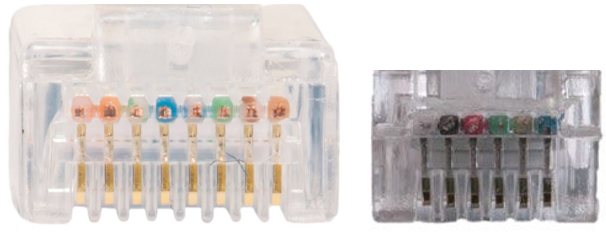
Credit: www.showmecables.com
Physical Differences
Ethernet and phone cables look similar but have clear physical differences. These differences affect their function and use in networks and phone systems.
Understanding the physical traits helps avoid confusion when choosing cables for devices.
Connector Types
Ethernet cables use RJ45 connectors. These have eight metal pins and a wider plug.
Phone cables use RJ11 connectors. They are smaller with four or six pins.
RJ45 connectors fit tightly into Ethernet ports. RJ11 connectors fit phone jacks.
Wire Count And Arrangement
Ethernet cables contain eight wires arranged in four twisted pairs. This design reduces interference.
Phone cables usually have two or four wires. They are often not twisted.
The twisted pairs in Ethernet cables improve data transmission and speed.
Cable Thickness And Shielding
Ethernet cables are thicker due to more wires and shielding layers. Shielding protects signals from noise.
Phone cables are thinner and less shielded. They carry simple voice signals.
The extra shielding in Ethernet cables helps maintain fast, stable internet connections.
Functionality
Understanding the functionality of Ethernet and phone cables helps clear up common confusion. Both cables look similar but serve different purposes. Each cable is designed to handle specific types of data and tasks. Knowing their functions guides the right cable choice for your needs.
Data Transmission Speed
Ethernet cables transmit data much faster than phone cables. They can handle speeds up to 10 Gbps or more. Phone cables usually support much slower speeds, around 56 Kbps to a few Mbps. Fast speeds are essential for streaming, gaming, and large file transfers. Slow speeds work for voice calls and basic internet.
Signal Quality And Interference
Ethernet cables have better shielding to reduce interference. This keeps the signal strong and clear over longer distances. Phone cables lack advanced shielding, so signals weaken faster. Interference from electrical devices affects phone cables more. Reliable signal quality is key for smooth internet and calls.
Usage Scenarios
Ethernet cables connect computers, routers, and smart devices. They are common in homes and offices for internet access. Phone cables mainly connect telephones to wall jacks. They support voice communication and dial-up internet. Choosing the right cable depends on the device and task.
Compatibility
Compatibility between Ethernet and phone cables often confuses many. Both cables look similar but serve different purposes. Understanding their compatibility helps avoid connection problems and device damage. This section explains how these cables connect to devices and the issues that arise from cross-compatibility.
Device Connections
Ethernet cables connect computers, routers, and modems for internet access. Phone cables connect landline phones and fax machines to telephone networks. Each cable type uses different connectors and wiring standards. Ethernet uses RJ45 connectors, while phone cables use RJ11. Devices made for one cable type usually cannot use the other without adapters.
Cross-compatibility Issues
Plugging a phone cable into an Ethernet port or vice versa rarely works. The connectors may fit but signals do not match. This mismatch causes slow or no connection. Using the wrong cable can damage ports or devices. Always check the cable type your device needs before connecting it.
Installation And Cost
Understanding the differences in installation and cost helps choose between Ethernet and phone cables. Both cables serve different purposes but often confuse users due to their similar looks. Installation ease and price play a big role in deciding the right cable for your needs.
Ease Of Installation
Phone cables are simpler to install. They use a smaller connector called RJ11, which fits into phone jacks easily. Ethernet cables use RJ45 connectors, larger and more complex. Installing Ethernet cables may require extra tools and effort to ensure proper connection. Both cables can be installed by beginners, but phone cables usually take less time and skill.
Price Differences
Phone cables cost less than Ethernet cables. They are thinner and use fewer wires inside. Ethernet cables have more wires and better materials, increasing their price. The price also depends on cable length and category. Choosing phone cables saves money but limits internet speed. Ethernet cables cost more but provide faster and stable connections for internet use.
Common Misconceptions
Many people confuse Ethernet cables with phone cables. They look similar but serve different purposes. This confusion leads to wrong choices and poor network setups. Clearing these misconceptions helps in choosing the right cable for your needs.
Can They Be Interchanged?
Ethernet and phone cables cannot be swapped easily. Phone cables have fewer wires and smaller connectors. Ethernet cables have more wires to carry data faster. Using a phone cable in place of an Ethernet cable will cause connection problems. The devices may not work or run very slow.
Impact On Network Performance
Using the wrong cable affects your internet speed and stability. Phone cables limit the amount of data sent. Ethernet cables support high-speed data transfer. Poor cables cause frequent disconnections and slow loading times. Choosing the right cable ensures smooth and fast network performance.
:max_bytes(150000):strip_icc()/what-is-an-ethernet-cable-817548-908a886078ec4c6ea413fbdc5d72333c.png)
Credit: www.lifewire.com
Frequently Asked Questions
Are Ethernet And Phone Cables Interchangeable?
No, Ethernet and phone cables are not interchangeable. They have different wiring standards and connectors. Using the wrong cable can cause connectivity issues and damage devices.
What Are The Key Differences Between Ethernet And Phone Cables?
Ethernet cables use RJ45 connectors and support higher data speeds. Phone cables use RJ11 connectors and carry voice signals. Their internal wiring and applications differ significantly.
Can I Use A Phone Cable For Internet Connection?
No, phone cables cannot reliably carry internet signals. Ethernet cables are designed for data transmission and provide faster, stable internet connectivity.
Why Does Ethernet Cable Have More Wires Than Phone Cable?
Ethernet cables have 8 wires for better data transmission and speed. Phone cables have fewer wires, usually 2 or 4, for voice communication only.
Conclusion
Ethernet and phone cables look similar but serve different purposes. Ethernet cables carry data faster and connect devices to the internet. Phone cables mainly handle voice calls and slow data. Using the wrong cable can cause problems with your connection.
Choose the right cable to get the best performance. Now you know how to tell them apart. Simple and clear. Your devices will thank you.
As an Amazon Associate, I earn from qualifying purchases.