
Have you ever wondered if having a camera in a classroom is allowed? Whether you’re a student, parent, or teacher, this question can raise serious concerns.
Cameras can protect, but they can also invade privacy. Understanding the rules can help you avoid legal trouble and keep everyone’s rights safe. Keep reading to discover what the law says about cameras in classrooms and what you need to know before you install one or speak up about it.
Classroom Camera Laws
Classroom camera laws govern the use of cameras in educational settings. These laws ensure privacy and protect the rights of students and teachers. Understanding these rules helps avoid legal problems and respects everyone’s space.
Federal Regulations
Federal laws set basic rules for cameras in classrooms. The Family Educational Rights and Privacy Act (FERPA) protects student information. Schools cannot share videos without permission. Cameras must not record private moments or sensitive data. The Children’s Online Privacy Protection Act (COPPA) also limits collecting data from kids under 13.
State-specific Rules
Each state has its own laws about classroom cameras. Some states allow cameras with strict guidelines. Others ban hidden cameras or require notifying parents. These laws may vary on consent and recording limits. Checking local laws is important before installing any camera.
School District Policies
School districts create their own camera rules too. They decide where and when cameras can be used. Many districts require clear signs about recording. They often forbid cameras in private areas like restrooms. District policies balance safety with privacy concerns.

Credit: www.law.berkeley.edu
Privacy Concerns
Privacy concerns arise when cameras are placed in classrooms. Many people worry about how these devices affect the personal space of students and teachers. Cameras might record moments that should stay private. This raises questions about who can see the footage and how it is used. Understanding privacy rights helps to see why this issue matters so much.
Student Privacy Rights
Students have the right to learn in a safe space. Cameras may make them feel watched and uneasy. Schools must respect students’ privacy and protect their personal information. Recording without clear rules can violate these rights. Laws often require schools to notify students about cameras. This helps students understand what is recorded and why.
Teacher Privacy Issues
Teachers also deserve privacy in their work environment. Cameras can add stress and affect teaching quality. Some teachers feel uncomfortable being recorded during lessons. This may limit their freedom to teach openly. Schools should balance safety with respecting teachers’ privacy needs. Clear policies on camera use can protect teachers.
Parental Consent
Parents play a key role in deciding about classroom cameras. Schools often need parental consent before installing cameras. This shows respect for family rights and concerns. Parents want to know how recordings protect their children. Consent ensures parents agree with the school’s approach. It builds trust between families and schools.
Purpose Of Cameras
Cameras in classrooms serve several important purposes. They help create a safer and fair learning space. Schools often use cameras to watch over activities and protect everyone. These devices can also support teachers and students in various ways.
Security And Safety
Cameras help keep classrooms safe. They record who enters and leaves. This helps stop unauthorized people from coming in. In emergencies, footage can show what happened. Cameras also discourage bad behavior or theft. They give teachers and staff peace of mind.
Academic Integrity
Cameras can help prevent cheating during tests. Students know they are being watched. This reduces dishonest actions. Teachers can focus more on teaching than on monitoring. Recordings provide evidence if there are disputes. It supports fairness in the classroom.
Behavior Monitoring
Cameras allow teachers to observe student behavior. This helps identify problems early. Teachers can see who needs extra help. Cameras also assist in managing discipline. They create a record of incidents. This helps keep the classroom environment positive and focused.

Credit: www.averusa.com
Legal Risks And Penalties
Having a camera in a classroom can lead to serious legal problems. Schools have strict rules about privacy and recording. Breaking these rules can cause trouble with the law. It is important to understand the risks and penalties before using a camera in class.
Unauthorized Recording Consequences
Recording without permission is often illegal. It may violate school policies and state laws. People recorded might feel their privacy is broken. This can lead to complaints and legal action. Penalties include fines or even criminal charges. Schools may also take disciplinary steps against offenders. Unauthorized recording can harm trust between students and teachers.
Data Protection Violations
Classroom recordings contain personal information. Data protection laws protect this information. Recording without consent can break these laws. Violators might face heavy fines from authorities. Schools must keep student data safe and private. Misuse of recordings can lead to lawsuits. Respecting data protection rules prevents legal troubles.
Best Practices For Use
Using cameras in classrooms requires care and respect. Following best practices helps protect everyone’s privacy and rights. It also builds trust among students, teachers, and parents. Clear rules and open communication keep the environment safe and fair.
Obtaining Permissions
Always get permission before installing or using cameras. Permission should come from school authorities and parents. Explain why the camera is needed and how it will be used. Written consent avoids confusion and legal problems.
Clear Usage Policies
Create simple rules about camera use. Define who can access the footage and for what reasons. Limit the use to specific times and places. Keep the rules easy to understand and follow by everyone.
Transparency With Stakeholders
Inform students, parents, and staff about camera use. Share the purpose and benefits clearly. Answer any questions they have honestly. Transparency helps build trust and reduces worries about privacy.
Technology And Alternatives
Technology plays a big role in classrooms today. Cameras are one option but not the only one. Schools use many tools to keep students safe and support learning. Some options respect privacy and follow rules better.
Audio Vs Video Recording
Audio recording captures sound only. It is less invasive than video. Some schools use audio to check class discussions or safety. Video recording shows everything in the room. It raises more privacy concerns. Laws often limit video use in classrooms.
Remote Monitoring Tools
Remote tools let teachers watch classrooms from a distance. These tools can include live streams or alerts. They help catch problems early. Schools choose tools that follow local laws. They avoid constant surveillance to respect privacy.
Non-intrusive Surveillance
Non-intrusive methods watch without disturbing class. Examples include motion sensors or limited cameras. These tools focus on safety, not spying. Schools use them to keep students safe and comfortable. Privacy stays a top priority with these options.
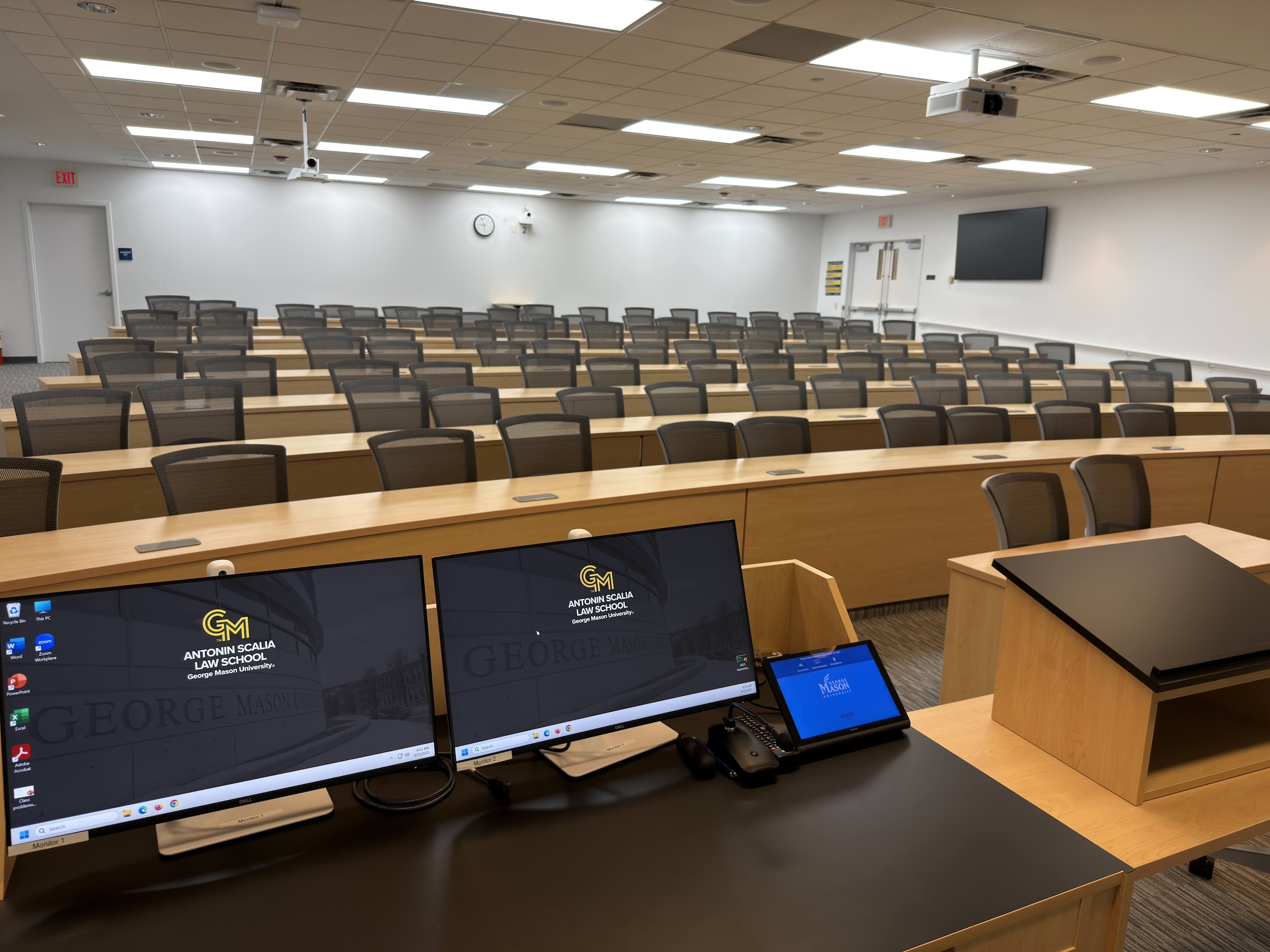
Credit: www.law.gmu.edu
Frequently Asked Questions
Is It Legal To Record In Classrooms Without Permission?
Recording in classrooms without permission is usually illegal. Schools often require consent from teachers and students. Laws vary by state and country. Unauthorized recording may violate privacy and consent laws. Always check local regulations before using cameras in classrooms.
Can Teachers Use Cameras For Security In Classrooms?
Yes, teachers can use cameras for security if school policies allow it. Cameras help monitor safety and prevent misconduct. However, schools must inform students and parents about surveillance. Privacy laws may limit camera placement and usage in classrooms.
Are Students Allowed To Film In Class For Personal Use?
Students generally need permission to film in class. Unauthorized filming can breach privacy and disrupt learning. Schools often have rules restricting camera use during lessons. Always ask for approval from teachers or administration before recording in class.
What Laws Protect Student Privacy From Classroom Cameras?
Laws like FERPA in the U. S. protect student privacy in schools. These laws regulate how schools collect and share student information. Unauthorized video recordings may violate these protections. Schools must balance safety with respecting student privacy rights.
Conclusion
Classroom cameras raise important legal and privacy questions. Laws vary by place, so check local rules carefully. Teachers and students deserve respect and trust in learning spaces. Recording without permission can cause problems and break rules. Always ask before using a camera in class.
Clear communication helps avoid conflicts and confusion. Protect privacy while keeping classrooms safe and fair. Understanding the rules helps everyone feel secure and respected.
As an Amazon Associate, I earn from qualifying purchases.
