
As an Amazon Associate, I earn from qualifying purchases.
Have you ever looked in the mirror and then checked a photo, only to wonder which one shows the real you? It’s a common question: Is a mirror or a camera more accurate?
You might think both give the same view, but the truth is surprising. Understanding this can change how you see yourself and how others see you. Keep reading to discover the hidden differences that affect your reflection and photos. This knowledge will help you feel more confident and clear about your own image.
How Mirrors Reflect Reality
Mirrors show us a view of ourselves every day. They seem simple, but the way they reflect images is quite scientific. Understanding how mirrors work helps us see why they sometimes feel different from photos.
Mirrors do not create new images. They bounce back light exactly as it hits their surface. This reflection gives us a reversed but true image of the real world.
The Science Behind Mirror Reflection
Mirrors reflect light rays in a predictable way. Light hits the mirror and bounces off at the same angle. This is called the law of reflection.
The smooth surface of a mirror ensures a clear and sharp image. Rough surfaces scatter light, making the image blurry.
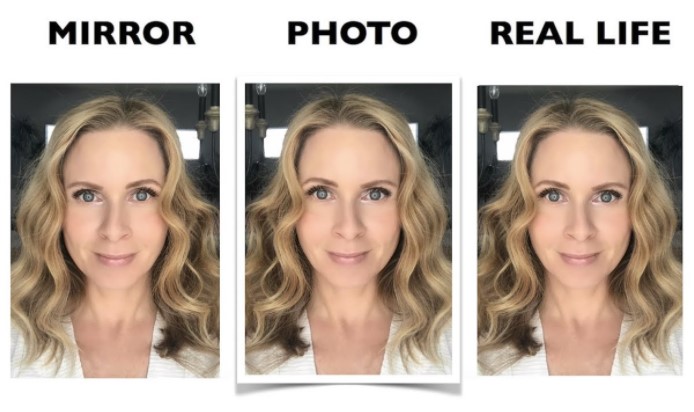
Because the mirror reverses the image from left to right, the reflection looks flipped. This flip can make features appear slightly different than in photos.
Common Perceptions In Mirror Images
People often trust mirrors as accurate reflections. We see ourselves every day through mirrors, so the image feels familiar.
Many feel their mirror image is more truthful than a camera picture. Mirrors show a reversed version, but the proportions stay true.
Mirror images can feel more natural. We adjust to this view since it matches how we move and interact.
Credit: nesop.com
How Cameras Capture Images
Cameras capture images by collecting light through a lens. The lens focuses light onto a sensor inside the camera. This sensor records the light and color to create a digital image. The process happens fast, freezing a moment in time.
Understanding how cameras work helps explain why photos can look different from real life. The quality of the image depends on the camera’s parts and settings. Lighting and angles also change how the camera sees the subject.
Lens And Sensor Technology
The lens controls how much light enters the camera. It also affects the sharpness and focus of the image. Better lenses capture clearer and more detailed photos.
The sensor is like the camera’s eye. It records the light and color information. Larger sensors usually produce higher quality images with less noise. Sensor technology improves every year, helping cameras capture more accurate photos.
Effects Of Lighting And Angles
Lighting changes how the camera records colors and shadows. Bright light can wash out details. Low light can make images grainy or blurry.
The angle of the camera changes the shape and size of what you see. Different angles can make features look bigger or smaller. This can affect how accurate the photo appears compared to real life.
Mirror Versus Camera: Key Differences
Mirrors and cameras both show our appearance, yet they do it differently. Understanding these differences helps decide which one shows a more accurate image. Each tool has unique traits that affect how we see ourselves.
Let’s explore the key differences between mirrors and cameras in detail.
Image Orientation And Reversal
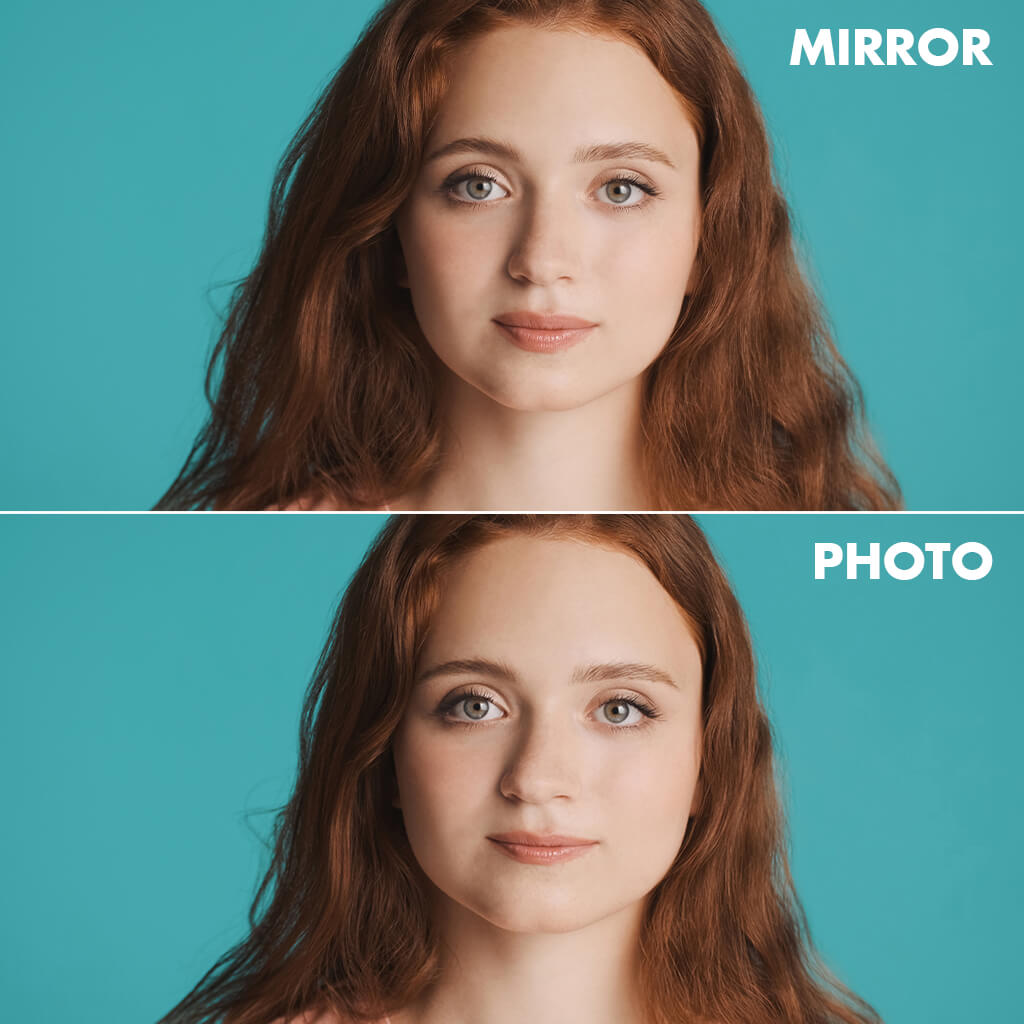
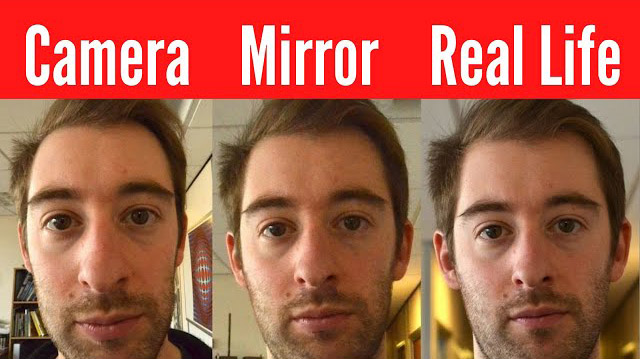
A mirror shows a reversed image from left to right. This flip can make a face look different from how others see it. People get used to this reversed view and feel it is more natural.
Cameras capture images as they are, without flipping them. This means photos show the face the way others see it. The camera’s view is more realistic but can feel unfamiliar.
Distortions And Limitations
Mirrors reflect light directly and show a true-to-life image. They do not add distortion but depend on lighting and angle. Small changes in position can change how the image looks.
Cameras can introduce distortions through lenses and settings. Wide-angle lenses may stretch or shrink facial features. Poor lighting or focus can also affect image clarity.
Credit: fixthephoto.com
Influence Of Environment On Accuracy
The accuracy of a mirror or camera depends a lot on the environment. Light and space can change how clear or true the reflection or photo looks. Both tools react differently to these surroundings.
Lighting Conditions
Light plays a big role in accuracy. Mirrors reflect light directly, so bright or natural light shows details clearly. Dim or uneven light can make the mirror image look dull or unclear.
Cameras rely on sensors that capture light. Too much light can cause glare or wash out details. Low light can make the image grainy or blurry. Good lighting helps cameras produce sharp and true pictures.
Distance And Perspective
Distance affects how accurate a mirror or camera shows you. Mirrors reflect your image at the same distance you stand, keeping proportions normal.
Cameras can change the view based on lens type and distance. A close camera might distort features, making them look bigger or smaller. Farther distance helps keep proportions but might lose small details.
Psychological Impact On Perception
Our minds shape how we see ourselves in mirrors and cameras. This affects whether we trust the reflection or the photo. Both tools show different versions of us, changing our feelings and thoughts. Understanding this helps explain why some people prefer mirrors, while others trust cameras more.
Self-image And Mirror Familiarity
People see their faces every day in mirrors. This regular view forms a familiar image in the brain. The mirror shows a reversed version of the face. It looks natural because it matches what the person expects. This helps build a stable self-image. The mirror’s reflection feels like the “real” face.
When people check their appearance, they often use mirrors. This habit creates comfort and confidence. The brain accepts the mirror image quickly. It ignores small flaws or differences. This familiarity makes the mirror seem more accurate to many.
Camera Bias And Expectations
Photos from cameras can feel strange or less familiar. Cameras show the face as others see it, not reversed. This can surprise or upset some people. They notice features differently than in the mirror. The photo may highlight flaws or angles not seen before.
Expectations affect how people view camera images. Many expect to look perfect in photos. When reality differs, disappointment may occur. The camera can feel less truthful or flattering. This bias influences whether people trust photos or mirrors more.
When Accuracy Matters Most
Accuracy matters most in many areas of life. Small details can change results. Choosing between a mirror or a camera depends on how precise you need to be. Both tools show images but with different effects. Some fields need exact visuals. Others allow some variation. Understanding these differences helps pick the best option.
Let’s explore where accuracy is key and how mirrors and cameras perform.
Applications In Beauty And Fashion
In beauty and fashion, detail is crucial. Mirrors show real-time reflections. They capture exact colors and shapes as seen by the eye. This helps in makeup application and outfit checks.
Cameras can add filters and lighting effects. These sometimes change the true look. Yet, photos help share styles with others. For precise adjustments, mirrors often offer better accuracy.
Medical And Forensic Uses
Medical fields demand high accuracy. Doctors use cameras to capture detailed images of the body. These images help in diagnosis and treatment plans. Cameras can zoom and record areas not visible in mirrors.
Forensics also relies on cameras. They document crime scenes with exact detail. Photos must be clear and true to reality. Mirrors cannot capture such evidence. Cameras provide a permanent and accurate record.
Choosing Between Mirror And Camera
Choosing between a mirror and a camera depends on what you want to see and how you want to see it. Both tools show your image but in different ways. Mirrors reflect your real-time appearance. Cameras capture a fixed image you can review later. Understanding their strengths helps you pick the right option for your needs.
Situational Advantages
A mirror shows your exact reflection instantly. It moves with you, so you see your face and body from many angles. This makes it easy to fix hair or check your outfit quickly. Mirrors work best for daily grooming and quick checks.
Cameras capture images with more detail and different perspectives. Photos or videos reveal things you might miss in a mirror. For example, a camera can highlight posture issues or subtle expressions. Cameras are great for more careful self-review or sharing your look with others.
Combining Both For Best Results
Using both a mirror and a camera can give a fuller view. Start with a mirror for fast checks and small adjustments. Then use a camera to see your appearance from another angle or over time. This mix helps you catch details and improve confidently.
Try recording short videos or taking pictures after using the mirror. Compare the two views to understand how you really look. This approach works well for makeup, fashion, or practicing presentations. Together, mirrors and cameras offer the clearest picture.
Credit: www.mefoto.com
Frequently Asked Questions
Is A Mirror Or Camera More Accurate For Self-image?
A mirror shows a reversed image, while a camera captures reality as others see you. Cameras provide more accurate proportions and details than mirrors.
Why Does My Face Look Different In Photos Than Mirrors?
Mirrors reflect a flipped image, familiar to you. Cameras capture your face from one angle, revealing asymmetries and lighting effects.
Can Lighting Affect Accuracy In Mirrors And Cameras?
Yes, lighting influences both mirror and camera images. Cameras can adjust exposure, while mirrors rely on ambient light, impacting perceived accuracy.
Do Cameras Distort Facial Features Compared To Mirrors?
Certain camera lenses can distort features, especially wide-angle lenses. Mirrors generally don’t distort, but show a reversed version of your face.
Conclusion
Choosing between a mirror and a camera depends on your needs. Mirrors show a reversed image, which can feel natural. Cameras capture a true image but may look different. Both have strengths and limits. Use a mirror for quick checks and a camera for detailed views.
Understanding these differences helps you pick the best tool. Think about what matters most: accuracy or familiarity. This way, you get the look you want with ease.
As an Amazon Associate, I earn from qualifying purchases.
