
Have you ever looked in the mirror and thought you looked one way, only to see a photo of yourself that feels completely different? It’s a common experience that makes you wonder: which is more accurate—your camera or your mirror?
You might trust what you see every day in the mirror, but cameras capture every detail in a way your eyes don’t. Understanding the truth behind this can change how you see yourself and how you present yourself to the world.
Keep reading, because what you discover might surprise you and help you feel more confident in your own skin.
Perception Differences
Perception plays a big role when we compare mirrors and cameras. Each shows us a different version of reality. Our brain processes these images differently. This shapes how we see ourselves and the world around us.
How Mirrors Reflect
Mirrors bounce light directly back to your eyes. This creates a reversed image, like a flip. You see yourself in real time. Movements and expressions appear instantly. The mirror shows what is happening right now.
Because the image is reversed, your brain adjusts what it sees. This can make your face look different than photos. The mirror image often feels more familiar and natural.
How Cameras Capture
Cameras record light using sensors or film. They capture one moment and save it as a photo. The image is not reversed unless edited. This gives a different view from the mirror.
Photos can change based on angle, lighting, and lens type. These factors affect color, shadows, and detail. Cameras show a static image. This can feel less natural than a mirror reflection.
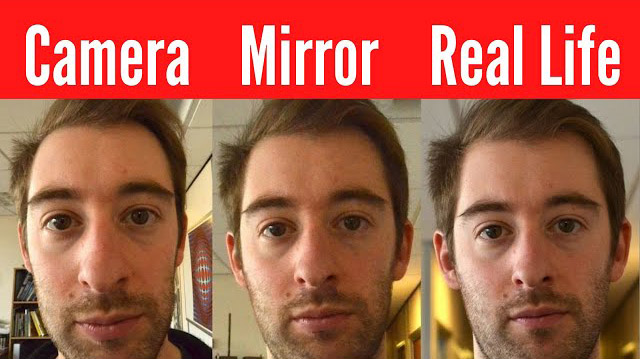
Credit: www.mefoto.com
Image Reversal Effects
Image reversal effects play a big role in how we see ourselves. Mirrors and cameras show different versions of the same image. This changes how we perceive our face and body. Understanding these effects helps explain why photos sometimes look strange.
Mirror’s Lateral Inversion
A mirror flips the image from left to right. This is called lateral inversion. It means your right hand looks like your left hand in the mirror. This flip can make your face look different than in photos. You see a reversed version of yourself every time you check the mirror.
Because of this flip, the mirror image feels more familiar. You are used to seeing yourself this way. It is not the true reflection but feels natural. This is why people often say they dislike photos of themselves.
Camera’s True Representation
Cameras capture images without flipping them. They show your face as others see it. This true representation lacks the mirror’s lateral inversion. Your left and right sides appear correct in photos. This can make your image seem unfamiliar or odd.
Cameras record details that mirrors cannot. They capture light, shadows, and angles accurately. Photos reveal your actual appearance to others. This makes camera images more precise but less familiar to you.
Lighting And Angles
Lighting and angles play a big role in how we see ourselves. They can change the way our face and body look. Both mirrors and cameras react differently to light and angle. This affects which one shows a more accurate image of us.
Impact On Mirror Reflection
Mirrors reflect light directly into your eyes. The angle you stand at changes what you see. Bright light can make your skin look smoother. Shadows can hide some features or make them look sharper. Small movements in front of a mirror change your image a lot. The mirror shows a live, real-time reflection. This means you see yourself as you move and change expression.
Impact On Camera Photos
Cameras capture light through a lens, which changes the image. The angle of the camera can make your face look wider or thinner. Lighting from different directions changes colors and shadows. Flash or strong light can wash out details. Photos are fixed moments, without movement. This can make your image look less natural than a mirror. Sometimes, cameras add distortion depending on the lens used.
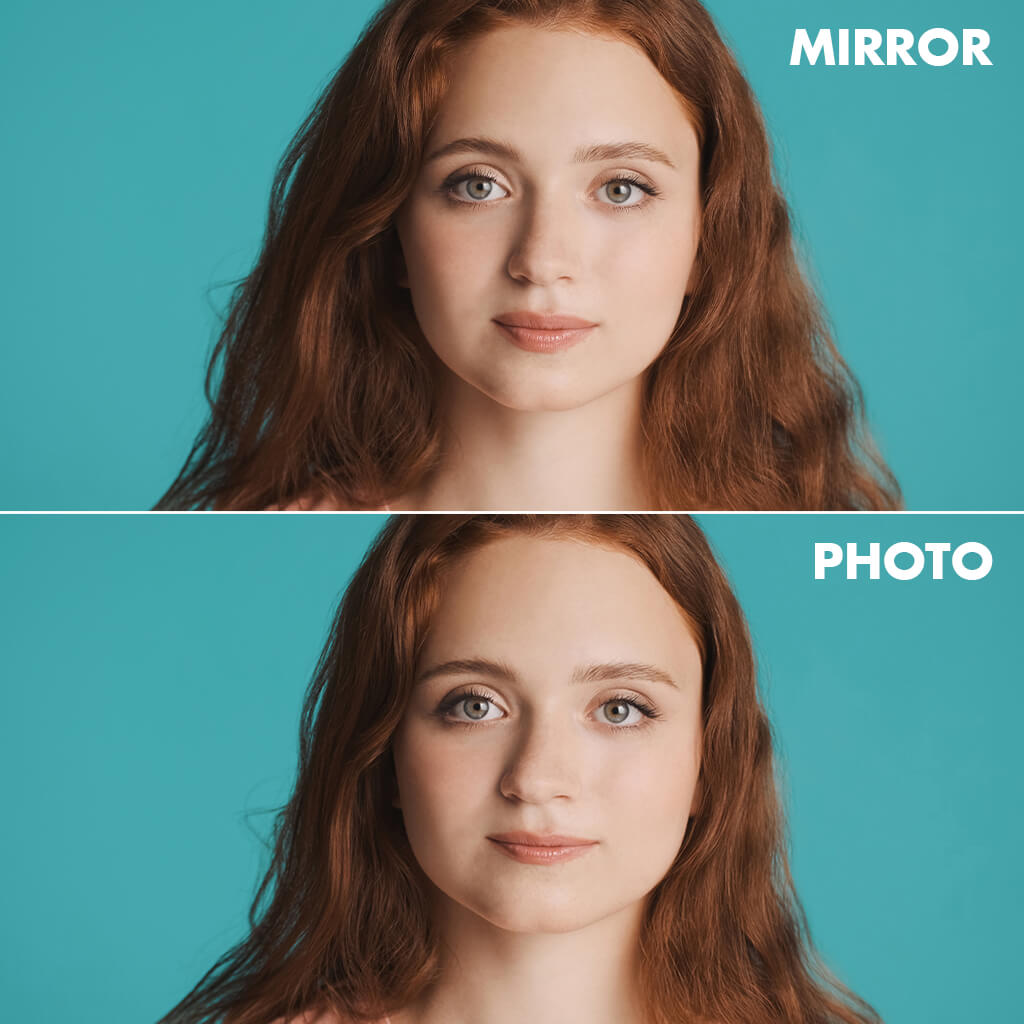
Credit: fixthephoto.com
Psychological Influence
Our mind plays a big part in how we see ourselves. The camera and mirror show different views. This difference affects how we feel about our looks. Understanding this helps us know which image feels more real to us.
Familiarity With Mirror Image
People see their mirror image every day. It is the image we know best. This image is flipped from the real world. Our brain gets used to this reversed look. That is why the mirror image feels more natural. It feels like “me” because it is what we expect.
Adjusting To Camera Image
The camera shows a true image, not flipped. This can look strange at first. Our brain needs time to accept this new view. The camera image shows details we do not see in the mirror. Over time, we may like the camera image more. It shows us as others see us.
Technical Limitations
Technical limitations affect how accurately a mirror or camera shows your true image. Both tools have flaws that change the way you see yourself. Understanding these limits helps you know which one reflects reality better.
Mirror Quality Factors
Not all mirrors are made the same. The glass thickness can bend your reflection slightly. Cheaper mirrors may have waves or distortions. The backing material also plays a role. If the backing peels or tarnishes, the image becomes unclear. Lighting around the mirror changes how you see colors and shadows. Even the mirror’s size affects your view. A small mirror gives a limited perspective. All these factors can make your reflection less accurate.
Camera Lens And Sensor Impact
Camera accuracy depends on lens quality and sensor size. Low-quality lenses cause blurriness and color shifts. Sensor size controls how much light the camera catches. Smaller sensors can make images look grainy or distorted. The camera’s settings like focus and exposure also matter. Autofocus can miss the right spot, making parts blurry. Overexposure washes out details, while underexposure hides them. Different cameras process colors differently. This changes how natural skin tones appear. These technical limits shape how true the photo looks.
Real-world Accuracy
Real-world accuracy is key to choosing between a camera and a mirror. Both show your image differently. The way each device captures or reflects affects how true the image looks. Understanding these differences helps you decide which is more reliable for daily use or special needs.
Daily Life Observations
Mirrors show a reversed image of yourself. This can make your face look slightly different than others see. Cameras capture your face as it is. But lighting and angle affect the photo. Sometimes, cameras can distort features or colors. Mirrors always show the real-time image. Cameras might change the image with filters or focus. For quick checks, mirrors work best. For saving images or sharing, cameras are helpful.
Professional Usage Scenarios
Makeup artists often use mirrors to see exact colors and shapes. Photographers use cameras to control how a subject looks. Cameras can highlight details not visible in mirrors. Doctors use cameras for accurate skin and health checks. Designers prefer mirrors for fitting and visualizing styles. Cameras capture permanent records for review. Each tool serves a purpose depending on the profession. Accuracy depends on context and need.
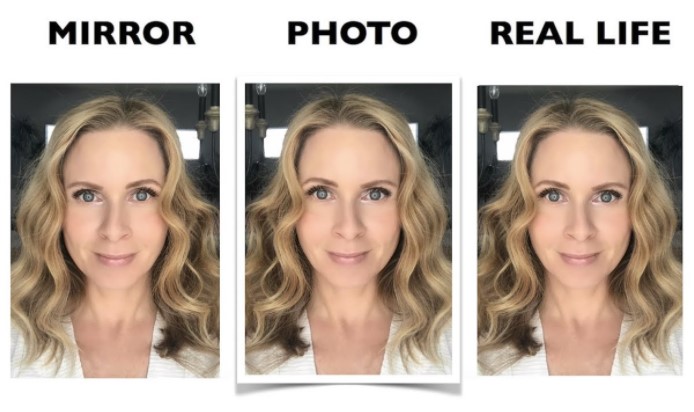
Credit: nesop.com
Frequently Asked Questions
Which Shows Your True Appearance: Camera Or Mirror?
A mirror reflects your exact image instantly and reverses it left to right. Cameras capture your image from one angle, sometimes distorting features. Mirrors often show a more accurate, familiar view, while cameras can exaggerate or alter your appearance depending on lens and lighting.
Why Do Photos Look Different Than Mirror Reflections?
Photos rely on camera settings, angles, and lighting, which can distort your features. Mirrors show a direct, reversed reflection without distortion. Cameras may emphasize shadows or highlights, causing differences from how you see yourself in a mirror.
Can A Camera Be More Accurate Than A Mirror?
In some technical aspects, yes. Cameras capture precise details without reversal. However, they depend on angles and lighting, which can misrepresent reality. Mirrors provide a consistent, reversed reflection, often matching what you expect to see daily.
Does Mirror Reversal Affect How We See Ourselves?
Yes, mirror reversal flips your image left to right, creating a familiar but reversed view. This can make photos look strange because they show the unreversed side. Our brains get used to the mirror image, influencing self-perception.
Conclusion
Choosing between a camera and a mirror depends on what you need. Mirrors show your real reflection instantly. Cameras capture images but can change how you look. Each has strengths and limits. For quick checks, mirrors work best. For detailed views or memories, cameras help more.
Think about your purpose before deciding. Both tools give different, useful views. Which one feels right to you?
As an Amazon Associate, I earn from qualifying purchases.
