
Are you wondering whether to get a sound bar or speakers for your home entertainment? Choosing the right audio setup can completely change how you enjoy movies, music, and games.
But with so many options, it’s easy to feel overwhelmed. What will give you the best sound without cluttering your space? Which one fits your budget and lifestyle better? Keep reading, and you’ll discover the key differences that will help you make the perfect choice for your sound experience.
Credit: www.cnet.com
Sound Bar Basics
Sound bars are a popular choice for better TV audio. They offer a simple way to improve sound without extra wires or big speakers. Many people choose sound bars for their compact design and easy setup. Understanding the basics can help you decide if a sound bar fits your needs.
Below, learn what a sound bar is and what features to expect. This knowledge makes your decision clearer and easier.
What Is A Sound Bar
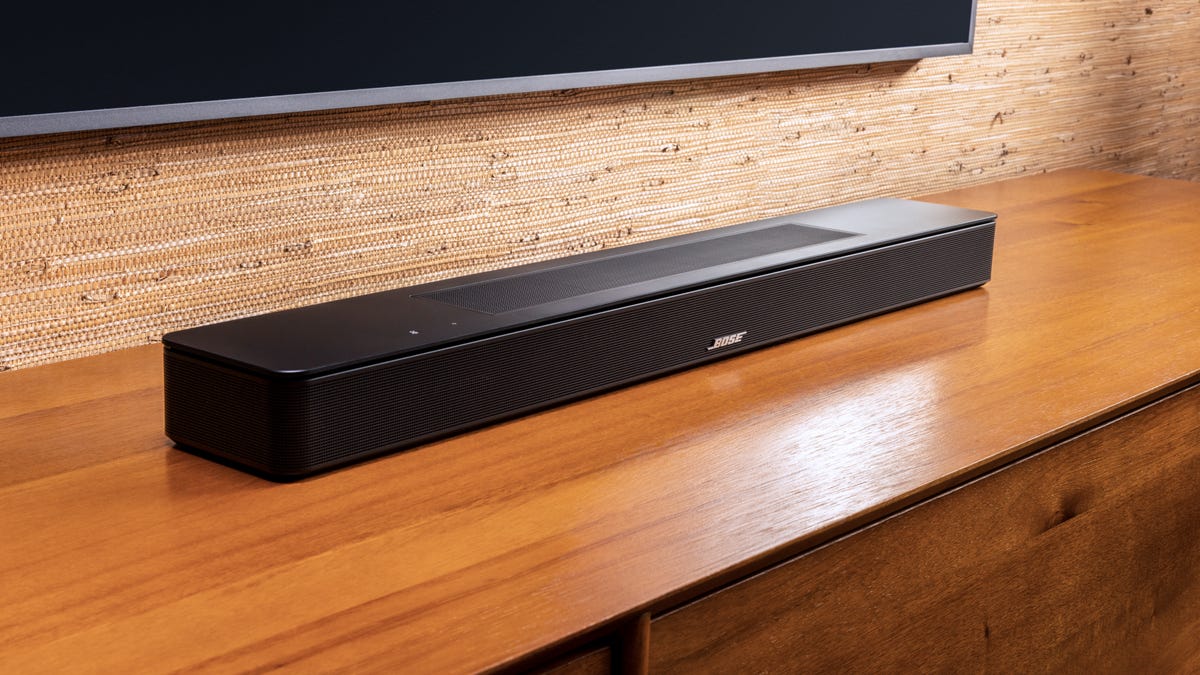
A sound bar is a slim speaker system. It usually sits under or above the TV screen. It contains multiple speakers inside one box. These speakers work together to create surround sound effects. Sound bars aim to improve clarity and volume over built-in TV speakers.
They connect to the TV with one cable, often HDMI or optical. Sound bars do not need many wires or extra parts. This simplicity makes them popular in small rooms and apartments.
Key Features Of Sound Bars
Most sound bars come with a remote control for easy use. They often include Bluetooth to play music from phones. Many have built-in subwoofers or come with a separate one. This adds deeper bass for movies and music.
Some sound bars support surround sound formats like Dolby Atmos. This creates a more immersive listening experience. Many models also offer voice control or smart assistant features. These make it easier to adjust settings without a remote.
Sound bars usually take up less space than traditional speaker systems. They provide a cleaner look without multiple speakers and wires.
Speaker Systems Explained
Understanding speaker systems helps you choose the right audio setup. Speakers vary by size, style, and sound quality. Knowing these differences makes your decision easier.
Speaker systems deliver sound in many ways. Some focus on bass, others on clarity. The setup affects how you experience music, movies, and games.
Types Of Speaker Setups
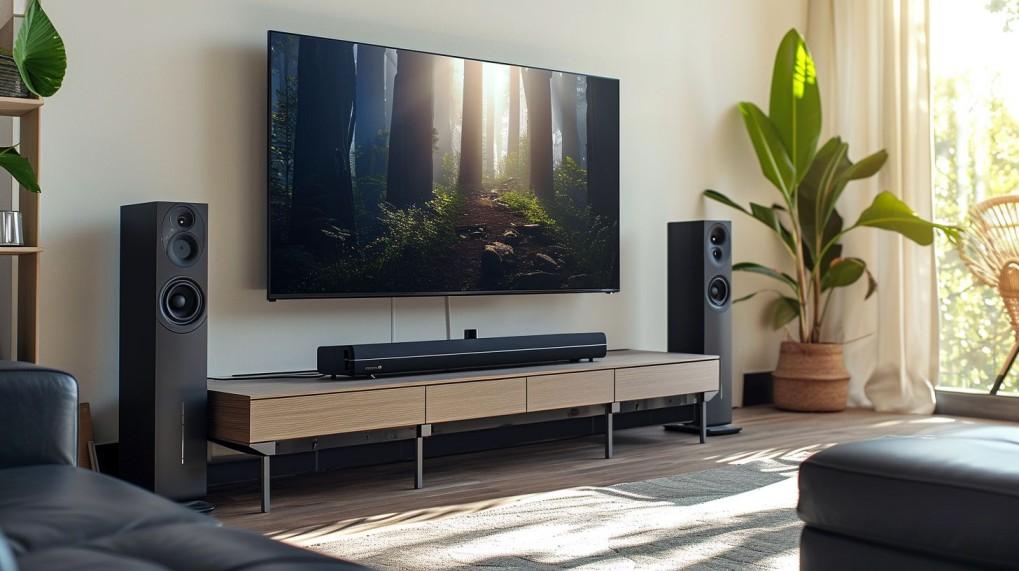
Bookshelf speakers are small and fit on shelves. They offer clear sound and take little space. Floor-standing speakers are taller and produce louder sound. They fill big rooms well. Surround sound systems include many speakers. They create a 3D sound effect. This setup is popular for home theaters. Soundbars are long and slim. They sit under your TV and save space. Some soundbars have extra subwoofers for better bass.
Benefits Of Traditional Speakers
Traditional speakers provide rich and full sound. They often have better bass and clarity. You can place them for the best sound direction. Many models allow upgrades and changes. They suit people who want high-quality audio. These speakers last long with proper care. Traditional systems offer a more immersive experience. They can fill a large room with sound easily.
Sound Quality Comparison
Choosing between a sound bar and speakers often depends on sound quality. Both offer different audio experiences. Understanding their sound performance helps in making the right choice. This section compares their sound quality in two key areas.
Audio Performance
Speakers usually deliver clearer and richer sound. They reproduce deeper bass and more detailed highs. Sound bars can provide good audio but may lack depth. Larger speakers have room for better drivers. This leads to more accurate and natural sound. Sound bars focus on convenience and compact design. This sometimes limits their audio power and clarity.
Surround Sound Experience
Speakers often create a fuller surround sound effect. Multiple speakers can be placed around the room. This surrounds the listener with sound from all sides. Sound bars simulate surround sound using digital tricks. They use fewer speakers and rely on sound reflections. This may not feel as immersive as real surround sound. True surround sound systems offer a better movie and gaming experience.
Space And Design Considerations
Choosing between a sound bar and speakers depends a lot on your space and design needs. These factors affect sound quality and how well the setup fits your room. Let’s explore key points to help decide.
Room Size And Layout
Small rooms suit sound bars well. They take up less space and still deliver clear sound. Large rooms need speakers for richer audio and wider sound spread. The room shape matters too. Open layouts may need speakers placed around the room. Enclosed spaces work fine with a single sound bar. Think about where you will place the system. Avoid blocking speakers or sound bars with furniture. Proper placement improves sound clarity and volume.
Aesthetic Impact
Sound bars have a sleek, modern look. They fit under your TV and blend with most decor. Speakers can be bulky. They might stand out or need special stands. Choose speakers with a style that matches your room. Wiring can be a challenge with speakers. Sound bars usually need fewer cables, creating a cleaner look. Your choice affects the room’s overall feel and neatness.
Installation And Ease Of Use
Choosing between a soundbar and speakers often depends on how easy they are to install and use. This section helps you understand the setup and compatibility of both options. Knowing these details can save time and reduce frustration during installation.
Setup Process
Soundbars usually come as one compact unit. You just connect it to your TV with a single cable. Some models use HDMI or optical cables. Wireless options use Bluetooth or Wi-Fi, making setup simpler. No need to hide many wires or place multiple speakers.
Speakers require more work. You must place each speaker in the right spot. Wiring can be tricky and take longer. Some speaker systems need an amplifier or receiver. Connecting all parts correctly can be confusing for beginners. Yet, it offers more control over sound placement.
Compatibility With Devices
Soundbars often support many devices. They work well with TVs, smartphones, and tablets. Most have Bluetooth or Wi-Fi for wireless use. Some models support voice assistants or smart home systems. This makes them easy to use with modern gadgets.
Speakers depend on the system you choose. Passive speakers need an amplifier or receiver. Active speakers have built-in amplifiers and connect directly. Compatibility varies by brand and model. Checking device support before buying is important. Otherwise, you might need extra equipment.
Credit: hometheaterreview.com
Budget And Value
Choosing between a sound bar and speakers often depends on budget and value. Knowing the cost and what you get helps you decide. Both options have different price points and benefits. Understanding these can save money and improve your audio experience.
Cost Differences
Sound bars usually cost less than full speaker systems. They combine multiple speakers into one unit. This makes them cheaper and easier to set up. Speakers often come as separate pieces. This can increase the price and setup time.
Basic sound bars can start under $100. Good quality speakers may start around $200 and go up. Extra features in speakers, like better bass or surround sound, add to the cost. Sound bars focus on simplicity and style, often at a lower price.
Long-term Investment
Speakers can be a better long-term choice. They often provide better sound quality and can last many years. You can upgrade parts of a speaker system over time. Sound bars might need replacement sooner if technology changes.
Speakers allow more flexibility in sound customization. This can add value as your needs grow. Sound bars offer quick, simple solutions but less room to expand. Spending more now on speakers can save money later.
Use Case Scenarios
Choosing between a soundbar and speakers depends on how you plan to use them. Different scenarios call for different audio setups. Understanding your use case helps pick the right option. This section explores common use cases to guide your choice.
Home Theater Setup
Soundbars are ideal for small to medium rooms. They provide clear dialogue and decent surround effects. Installation is simple, requiring less space and fewer wires. Speakers offer richer sound and true surround experience. They fit larger rooms and serious movie watchers. A speaker system creates deep bass and immersive audio. Consider room size and your budget when deciding.
Music Listening
Speakers deliver better sound quality for music lovers. They produce clearer highs and deeper lows. You can place them for the best sound stage. Soundbars work well for casual listening. They offer balanced sound but lack depth. Audiophiles prefer speakers for detailed and dynamic sound. Think about how much you value sound quality.
Gaming Experience
Speakers enhance gaming with precise sound positioning. This helps locate enemies or events in the game. A good speaker system increases immersion and fun. Soundbars improve sound without complicated setup. They fit small gaming spaces and offer decent effects. Gamers who want full audio impact often pick speakers. Casual players might find soundbars more practical.
Credit: www.reddit.com
Additional Features To Consider
Choosing between a sound bar and speakers involves more than just sound quality. Additional features can improve your listening experience. These features also add convenience and flexibility. Knowing what features matter helps you make a better choice.
Wireless Connectivity
Wireless connectivity offers freedom from cables. Many sound bars and speakers connect via Bluetooth or Wi-Fi. This lets you play music from your phone or tablet easily. Wireless options reduce clutter in your room. Some models also support multi-room audio for whole-home sound. Check if the device supports the wireless connection you prefer.
Smart Technology Integration
Smart technology integration makes devices easier to use. Voice assistants like Alexa or Google Assistant are common. You can control sound with simple voice commands. Some sound bars and speakers connect to smart home systems. This allows seamless control alongside other smart devices. Look for compatibility with your preferred smart technology.
Making Your Final Choice
Making the final choice between a sound bar and speakers can be tricky. Both offer great sound but serve different needs. Think about what matters most to you. Consider your space, budget, and how you use your audio system. This will help you pick the right option.
Personal Preferences
Some people want simple setup and less clutter. A sound bar fits well in small rooms and looks neat. Others enjoy customizing sound with separate speakers. They like moving speakers around for better audio. Choose based on how you want to enjoy sound.
Future Upgradability
Speakers often allow more upgrades over time. You can add more speakers or a subwoofer later. Sound bars usually have fewer upgrade options. Think about if you want to improve sound step by step. This helps you plan your audio system for the long run.
Frequently Asked Questions
What Are The Main Differences Between Sound Bars And Speakers?
Sound bars are compact and easy to set up. Speakers offer richer, customizable audio quality. Sound bars suit small spaces, while speakers fit larger rooms and audiophiles.
Which Option Provides Better Surround Sound Experience?
Speakers generally deliver superior surround sound with multiple channels. Sound bars simulate surround sound but may lack depth and precision compared to full speaker setups.
Are Sound Bars Or Speakers Better For Small Rooms?
Sound bars are ideal for small rooms due to their compact design. Speakers may overwhelm small spaces and require more setup.
How Does Cost Compare Between Sound Bars And Speakers?
Sound bars are usually more affordable and include built-in amplifiers. Speakers vary widely in price, often costing more when adding receivers and multiple units.
Conclusion
Choosing between a sound bar and speakers depends on your space and needs. Sound bars save space and are easy to set up. Speakers often deliver richer, fuller sound for bigger rooms. Think about your budget and how you plan to use them.
Both options can improve your audio experience. The best choice fits your lifestyle and room size. Take your time to decide what suits you best. Enjoy better sound in your home, whichever you pick.
As an Amazon Associate, I earn from qualifying purchases.

