
Have you ever wondered how loud your environment really is? Whether you’re at home, work, or out in public, noise levels can affect your comfort, health, and focus more than you realize.
That’s where noise decibel monitors come in. These handy devices help you measure sound levels around you, giving you the power to protect your hearing and create a better living space. Keep reading to discover what noise decibel monitors are, how they work, and why having one might be exactly what you need.
Noise Decibel Monitors Basics
Noise decibel monitors are devices that measure sound levels in an environment. They help identify how loud a place is and whether the noise is safe for human ears. These monitors are important in workplaces, schools, and public areas to keep noise within healthy limits.
Understanding the basics of noise decibel monitors helps you see their role in protecting hearing and improving comfort. They give clear, quick readings of sound intensity in decibels (dB), the unit used to measure noise. The data helps control noise pollution and avoid hearing damage.
What Noise Decibel Monitors Do
Noise decibel monitors detect sound waves and convert them into decibel readings. They show real-time noise levels on a screen or app. Some models alert users if the noise is too loud. This helps take action to reduce harmful sound.
These monitors track noise over time. The data helps find noisy machines or areas. It also supports compliance with safety rules about noise limits. Noise decibel monitors make managing sound easier and safer.
Types Of Noise Decibel Monitors
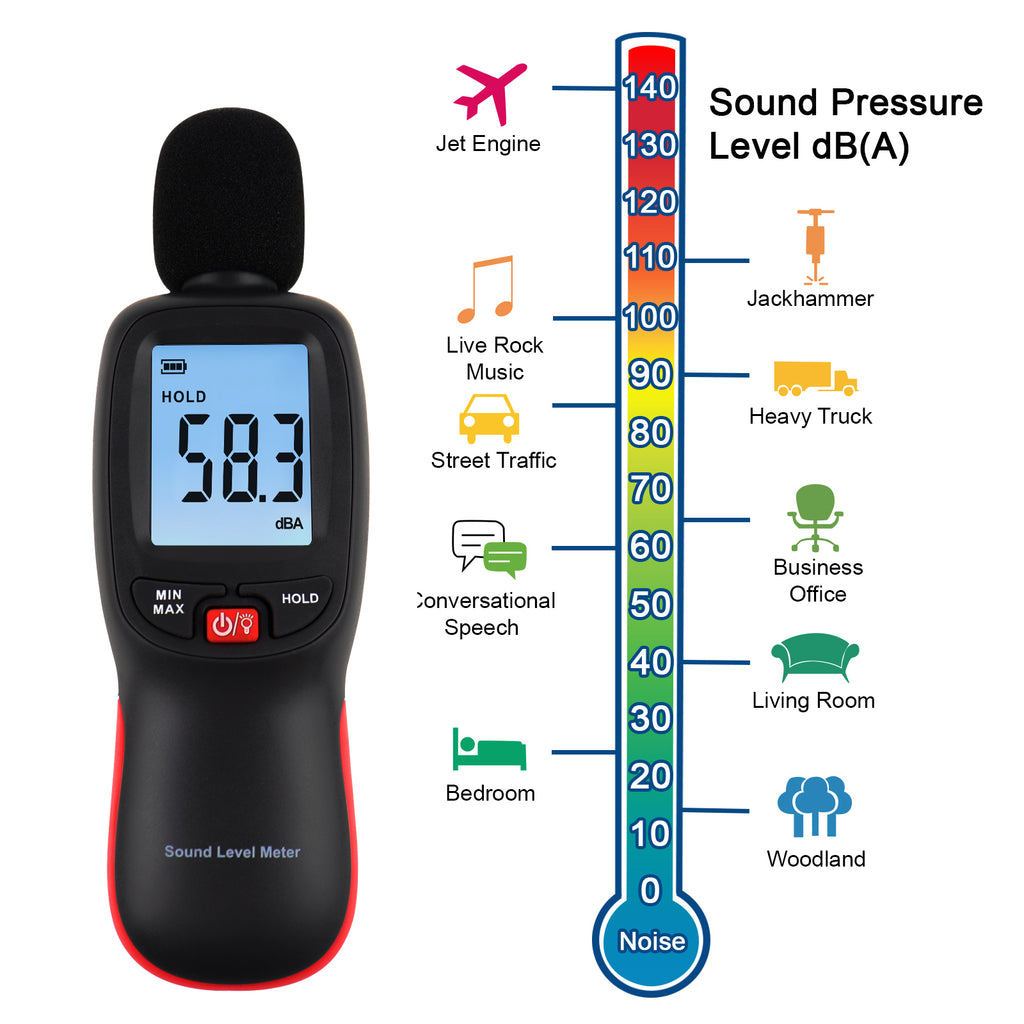
There are several types of noise decibel monitors. Handheld monitors are small and portable. They are easy to use for spot checks in different places. These are common for quick noise checks.
Fixed monitors are installed in one location. They continuously track noise levels and record data. These are useful in factories or busy areas.
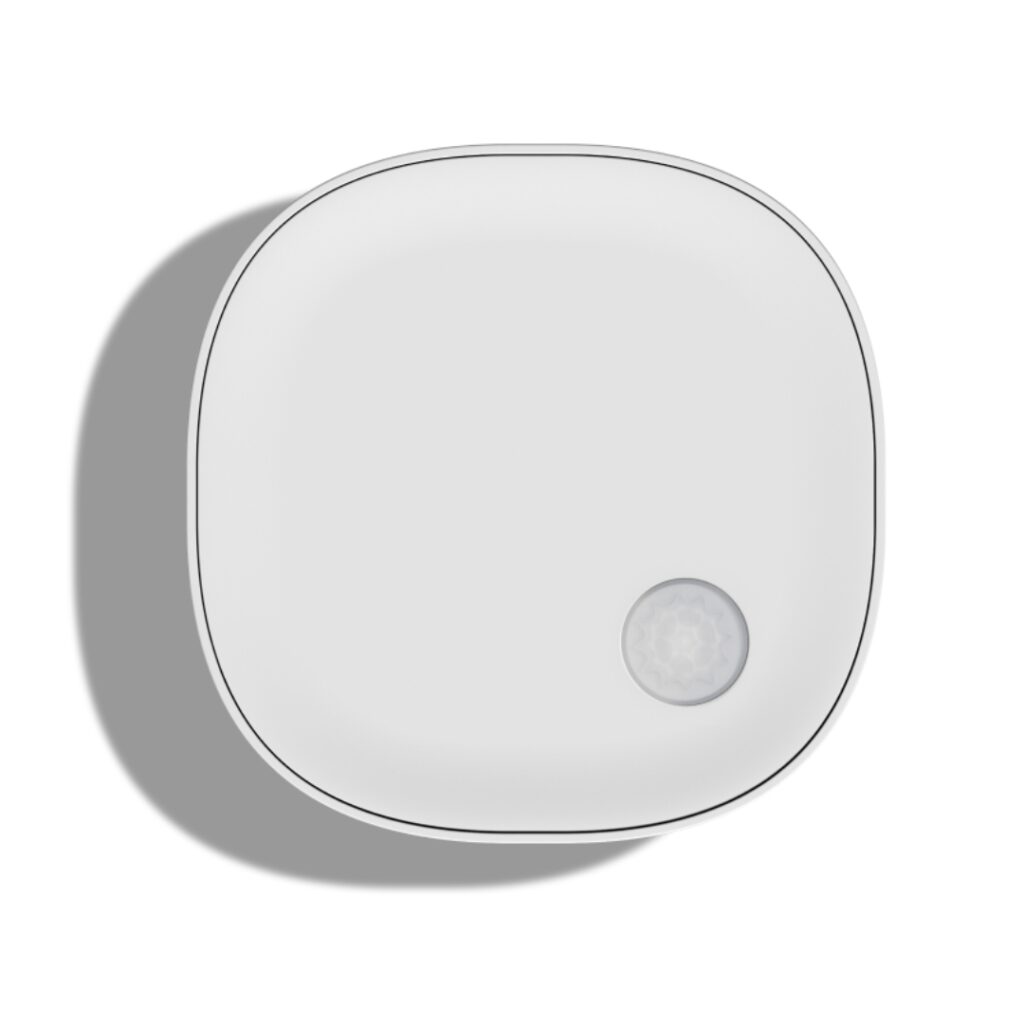
Smart monitors connect to phones or computers. They offer detailed reports and alerts. These monitors help track noise remotely and keep data for analysis.
Credit: turno.com
How Noise Levels Affect Health
Noise affects our health in many ways. High noise levels can cause harm beyond just disturbing peace. Understanding these effects helps protect your well-being. Noise decibel monitors measure sound levels to keep environments safe. They show when noise reaches harmful levels.
Hearing Damage Risks
Loud noise can damage the tiny hairs in your ears. These hairs help you hear sounds clearly. Once damaged, they do not grow back. This damage leads to hearing loss or ringing in the ears. Noise above 85 decibels can cause hearing problems. Continuous exposure to loud sounds increases the risk. Using noise monitors helps avoid harmful noise levels. Early warnings prevent permanent ear damage.
Other Health Impacts
Noise affects more than just hearing. It can increase stress and blood pressure. This raises the chance of heart disease. Loud noise also disrupts sleep, causing tiredness. Poor sleep affects mood and memory. Children and elderly people are more sensitive to noise. Monitoring noise helps reduce these health risks. A quieter environment supports better mental and physical health.
Key Features Of Noise Decibel Monitors
Noise decibel monitors measure sound levels in the environment. They help protect hearing and ensure safety. These devices come with features that make them reliable and easy to use. Understanding these key features helps in choosing the right monitor.
Measurement Accuracy
Accurate sound measurement is the top feature of these monitors. They use precise sensors to capture noise levels. This helps in getting true readings of the environment. Reliable accuracy is important for safety and health checks.
Portability And Design
Noise decibel monitors are small and light. This makes carrying them simple and convenient. Many have designs that fit well in your hand or pocket. Easy-to-read screens show noise levels clearly, even outdoors.
Data Logging And Alerts
Many monitors store data for later review. They keep track of noise over time automatically. Some models send alerts when noise is too loud. This feature helps users act quickly to reduce noise exposure.
Credit: www.tekcoplus.com
Using Noise Decibel Monitors Effectively
Using noise decibel monitors effectively helps maintain safe sound levels. These devices measure the loudness of noise in real time. Proper use ensures accurate readings and better noise control. Understanding how to place and read the monitor is key to getting useful data.
Proper Placement And Usage
Place the noise monitor at ear level for the most accurate sound measurement. Avoid placing it near walls or objects that reflect sound. Keep the device away from wind or direct airflow to prevent false readings. Turn on the monitor before noise begins to capture the full sound range. Check the battery and settings before use to ensure smooth operation.
Interpreting Noise Data
Look at the decibel (dB) reading to understand noise intensity. Numbers below 70 dB are usually safe for long periods. Readings above 85 dB can cause hearing damage over time. Watch for sudden spikes in noise levels that may need immediate action. Use average readings to identify noisy areas and plan noise reduction. Record data regularly to track changes in sound environments.
Applications In Different Environments
Noise decibel monitors measure sound levels in different environments. These devices help keep noise within safe limits. They are useful in many places, ensuring comfort and safety.
Workplace Safety
Factories and construction sites use noise decibel monitors to protect workers. Loud noise can harm hearing over time. These monitors alert staff to dangerous sound levels. Companies use them to follow safety rules. This helps prevent hearing loss and injuries.
Public Events And Spaces
Concerts, festivals, and sports events often get very loud. Noise decibel monitors help organizers control sound levels. They keep noise safe for the audience and nearby residents. Public places like parks and libraries use these monitors too. This keeps the environment peaceful and enjoyable.
Home And Personal Use
People use noise decibel monitors at home to check noise from appliances or neighbors. They help keep quiet, especially for babies or elderly people. Personal monitors can track noise during sleep or study time. This helps create a calm and healthy space.
Choosing The Right Noise Decibel Monitor
Choosing the right noise decibel monitor can make a big difference in measuring sound levels accurately. The right device helps protect hearing and maintain safe environments. Many options exist, but not all fit every need. Knowing what to consider helps in picking the best tool.
Factors To Consider
First, think about the accuracy of the monitor. Some devices offer precise readings, important for workplaces or legal use. Others provide general estimates, enough for home or casual use.
Check the range of sound levels the device can measure. Some monitors handle very loud noises, while others suit quieter places.
Look at the size and ease of use. Portable, lightweight models work well for on-the-go checks. Simple controls make the device user-friendly.
Consider if you need extra features like data logging, Bluetooth, or alarms. These add convenience but may raise the price.
Budget Vs. Features
Set a clear budget before shopping. Basic models cost less but might lack advanced features.
Higher-priced monitors often include better accuracy and extra functions. Decide what features are essential for your needs.
Balance cost with quality. A cheap device might save money but give poor results.
Think about long-term value. Spending a bit more can mean better durability and reliability.
Future Trends In Noise Monitoring
Noise decibel monitors are improving fast. New trends show smarter ways to track and understand noise. These changes help us keep places quieter and safer. The future of noise monitoring looks bright and more useful.
Smart Technology Integration
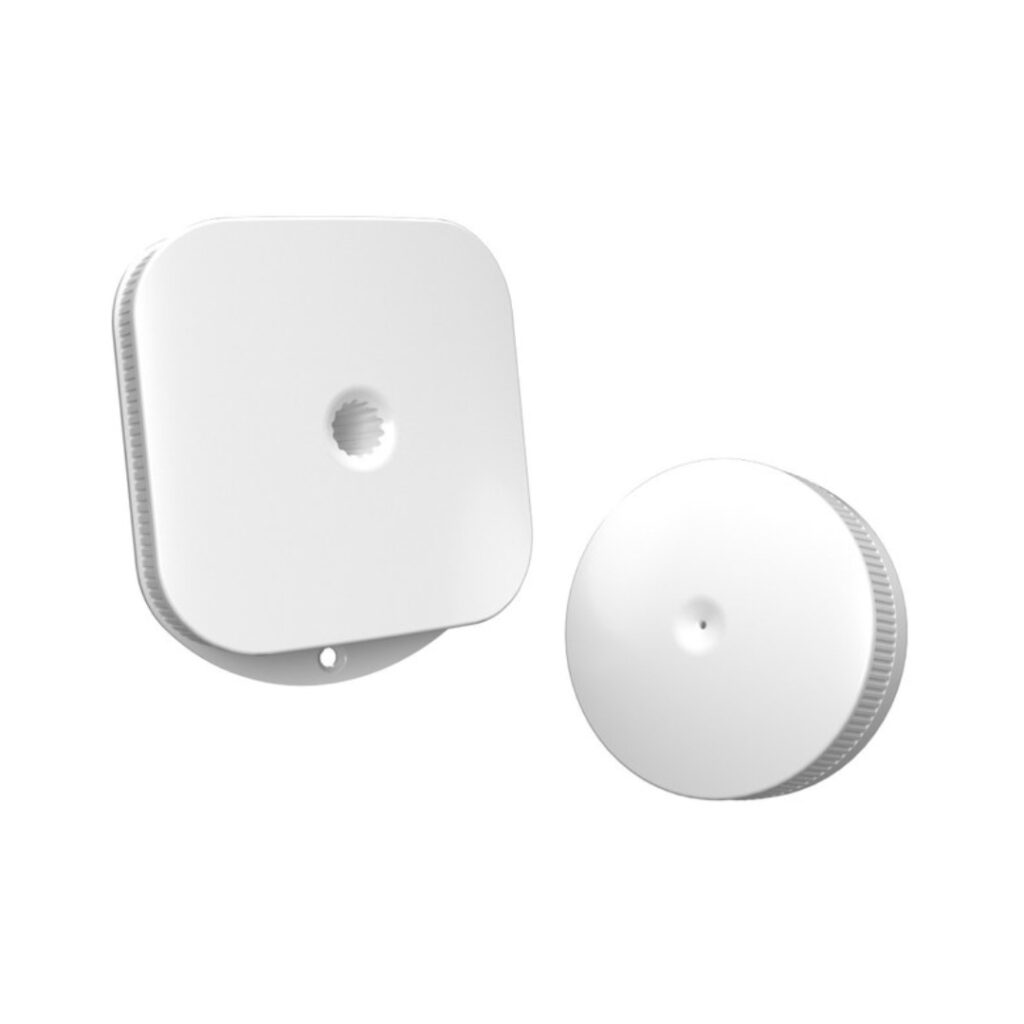
Noise monitors now connect with smart devices. They send alerts directly to phones or computers. This helps people react quickly to loud noise. Some monitors use AI to learn noise patterns. They can predict when noise will get too high. This saves time and reduces errors in monitoring.
Enhanced Data Analysis
Future monitors will analyze noise data deeply. They can find the source of noise more clearly. Data will show noise trends over days or weeks. This helps in making better noise control plans. Advanced software will turn noise data into easy reports. These reports help workers and managers understand noise better.
Credit: turno.com
Frequently Asked Questions
What Is A Noise Decibel Monitor Used For?
A noise decibel monitor measures sound levels in decibels. It helps assess noise pollution and protect hearing in various environments.
How Accurate Are Noise Decibel Monitors?
Modern noise decibel monitors are highly accurate, often within ±1 to 2 decibels. Calibration improves precision further.
Can Noise Decibel Monitors Prevent Hearing Damage?
Yes, by alerting users to harmful noise levels, these monitors help prevent prolonged exposure and potential hearing loss.
Where Are Noise Decibel Monitors Commonly Used?
They are used in workplaces, construction sites, concerts, and residential areas to monitor noise and ensure safety.
Conclusion
Noise decibel monitors help measure sound levels easily and quickly. They protect your hearing by alerting you to loud noise. Using these devices can prevent damage from harmful sounds. They are simple tools anyone can use daily. Understanding noise levels keeps your environment safer and healthier.
Small, portable, and accurate—these monitors fit many needs. Keeping noise in check improves comfort and focus. Noise decibel monitors make sound measurement clear and easy.
As an Amazon Associate, I earn from qualifying purchases.

