
Have you ever wondered what those RF channels on your TV really mean? If you’ve seen them listed but didn’t quite understand their purpose, you’re not alone.
Understanding RF channels can change the way you connect and enjoy your TV. This article will clear up the mystery and show you how these channels affect your viewing experience. Keep reading to discover something that can make your TV setup simpler and better.
Rf Channels Basics
Understanding RF channels is key to knowing how TVs receive signals. These channels carry the broadcast signals your TV turns into pictures and sound. Let’s explore the basics of RF channels and how they work.
This knowledge helps you grasp how TV signals travel and reach your screen clearly.
What Are Rf Channels
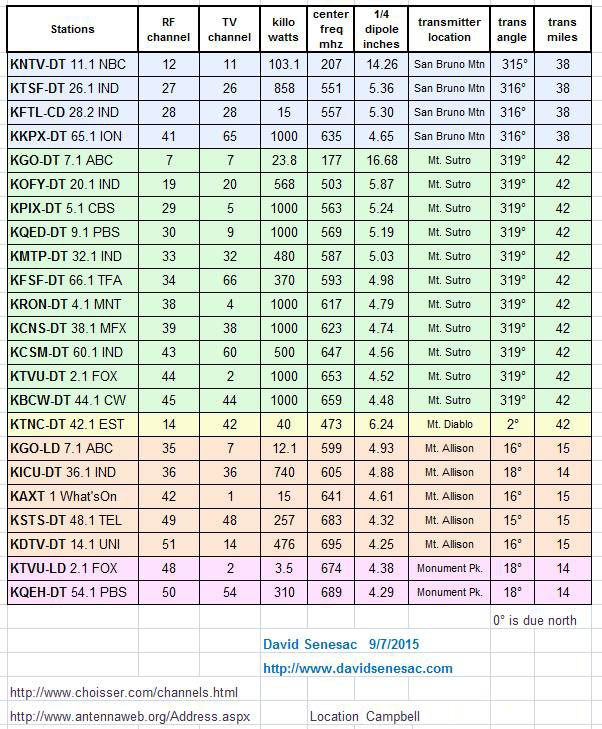
RF channels are radio frequencies used to send TV signals. Each channel has its own frequency band. TVs tune to these bands to show different programs. The channel number you see corresponds to a specific frequency range.
How Rf Signals Work
RF signals start at a TV station and travel through the air. Antennas capture these signals and send them to your TV. Inside, the TV converts the signals into images and sound. The strength and clarity depend on distance and obstacles.
Common Frequency Bands
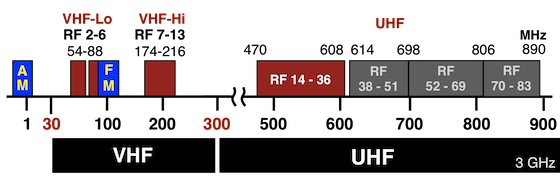
TV RF channels mainly use VHF and UHF bands. VHF channels cover lower frequencies, from 30 MHz to 300 MHz. UHF channels use higher frequencies, from 300 MHz to 3 GHz. Different countries may have slight variations in these bands.
Rf Channels And Tv Signals
RF channels are the pathways that carry TV signals to your television. These channels transmit audio and video signals through radio frequencies. Understanding RF channels helps you grasp how TV signals reach your screen.
Signal Transmission Process
TV signals start at a broadcast station. They convert video and audio into radio waves. These waves travel through the air over specific frequencies. Your TV’s tuner picks up these signals. The tuner decodes the signals into pictures and sound. This process happens quickly and continuously.
Channel Allocation
Each RF channel uses a unique frequency range. This prevents signals from mixing and causing interference. Governments assign these frequencies to broadcasters. Channels are numbered to help viewers find programs. The allocation ensures many channels can work in one area.
Analog Vs Digital Rf Channels
Analog RF channels send signals as continuous waves. This can cause picture noise and poor sound. Digital RF channels send signals as data bits. This creates clearer images and better sound quality. Digital channels also allow more programs per frequency.
Setting Up Rf Channels
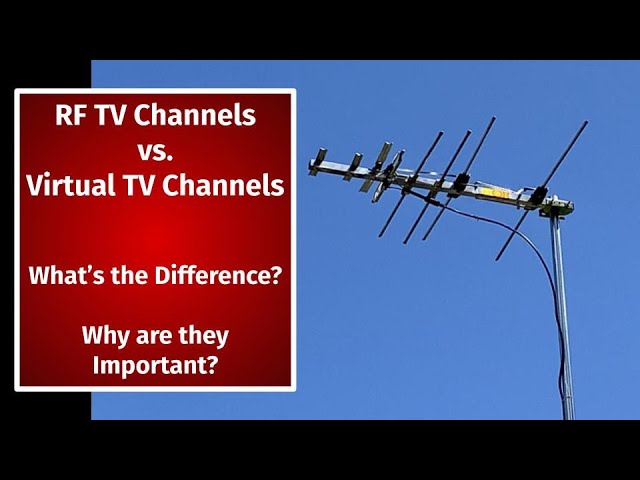
Setting up RF channels on your TV lets you receive broadcasts over the air. It means your TV can pick up local stations using an antenna. This setup is simple and saves money on cable or streaming services.
You need a good antenna and a little patience to tune the channels properly. The process involves connecting the antenna, scanning for channels, and fixing any signal problems.
Connecting Antennas
Start by attaching your antenna to the TV’s RF input port. Use a coaxial cable for the best connection. Make sure the cable is secure and not bent or damaged. Position the antenna near a window or high spot for better signal reception.
Tuning Channels
Turn on your TV and go to the settings menu. Find the option for channel setup or auto-tuning. Select the air or antenna option, not cable. The TV will scan and save available channels. This process may take a few minutes.
Troubleshooting Signal Issues
If channels don’t appear clearly, adjust the antenna direction. Move it slowly and rescan channels each time. Check for obstacles like walls or electronics that block signals. Use a signal booster if the signal is weak. Also, ensure cables are tight and undamaged.
Credit: www.youtube.com
Rf Channels In Modern Tvs
RF channels on modern TVs still play an important role in how we receive and watch television. These channels carry signals over radio frequencies. They connect TVs to cable, satellite, and antenna inputs. Even with new technology, RF channels remain a key part of TV operation.
Integration With Cable And Satellite
Modern TVs use RF channels to receive cable and satellite signals. These channels bring the broadcast from your provider into your TV. The RF input acts as a bridge between the TV and the service. It allows multiple channels to be accessed through one connection. This setup keeps the TV signal clear and stable.
Role In Smart Tvs
Smart TVs combine RF channels with internet streaming. RF channels still provide live TV options. Smart TVs switch easily between RF signals and apps. Users get both traditional channels and online content. This mix offers more ways to watch shows and movies.
Future Trends In Rf Technology
RF technology continues to improve with digital signals. Digital RF channels offer better picture and sound quality. Future TVs may use RF channels with faster, more efficient transmission. This will support higher resolution and new broadcasting formats. RF channels will remain important as TV technology evolves.
Improving Rf Signal Quality
Improving RF signal quality is important for better TV reception. Clear signals mean sharper pictures and fewer interruptions. Small changes can make a big difference in how well your TV receives channels.
Simple steps can boost signal strength and reduce noise. These tips help you enjoy your favorite shows without frustration.
Using Amplifiers
Amplifiers increase the strength of weak signals. They help when the antenna is far from the broadcast tower. Installing an amplifier near the antenna can improve signal quality. Avoid placing it too close to the TV to reduce noise.
Optimal Antenna Placement
Where you put your antenna matters a lot. High and clear spots work best. Avoid walls, metal objects, and large furniture. Moving the antenna slightly can find a stronger signal. Outdoor antennas usually get better reception than indoor ones.
Reducing Interference
Other electronics can disrupt RF signals. Keep devices like routers, microwaves, and cordless phones away from the antenna. Use shielded cables to reduce noise. Turning off unused devices can also help lower interference.
Credit: otadtv.com
Credit: www.davidsenesac.com
Frequently Asked Questions
What Are Rf Channels On A Tv?
RF channels are radio frequency channels used to transmit TV signals. They carry audio and video signals through antennas or cables to your TV.
How Do Rf Channels Work On A Television?
RF channels transmit signals using specific frequency bands. Your TV tuner decodes these signals into images and sound for viewing.
Why Are Rf Channels Important For Tv Reception?
RF channels enable wireless or wired transmission of TV broadcasts. They allow TVs to receive channels without internet or cable boxes.
Can Rf Channels Affect Tv Picture Quality?
Yes, RF channel quality impacts picture and sound clarity. Interference or weak signals can cause static, noise, or poor resolution.
Conclusion
RF channels on a TV carry signals from antennas or cable boxes. They let your TV show different programs on different numbers. Knowing how RF channels work helps you set up your TV better. It also makes troubleshooting easier when signals have problems.
TVs use these channels every day without most people noticing. Understanding this simple part of your TV can improve your viewing experience. So, next time you change channels, remember the role of RF channels. They keep your favorite shows coming to your screen.
As an Amazon Associate, I earn from qualifying purchases.