Have you ever wondered how your TV picks up all those channels you watch every day? The secret lies in something called RF channels.
Understanding what RF channels are can help you get better picture quality, fix reception issues, and even set up your TV like a pro. You’ll discover what RF channels on TV really mean and why they matter to you. Keep reading, and you’ll unlock simple tips that make your viewing experience smoother and more enjoyable.
Rf Channels Basics
Understanding RF channels on TV starts with basic knowledge of how they work. These channels carry television signals through radio waves. They allow your TV to receive broadcasts over the air without cables or internet.
Knowing RF channels helps you grasp how TV signals reach your screen. It also explains why some channels may look clearer than others. Let’s break down the essentials of RF channels.
What Are Rf Channels
RF stands for Radio Frequency. RF channels are specific bands of radio waves used to send TV signals. Each channel uses a set frequency to transmit its content. Your TV tuner selects these frequencies to show different channels.
How Rf Signals Work
TV stations send signals as radio waves through the air. These waves travel at different frequencies. Your antenna picks up these waves and sends them to your TV. The TV then decodes the signals into pictures and sound.
Frequency Bands Explained
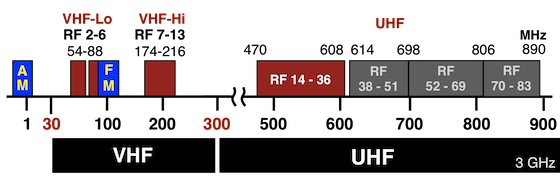
Frequency bands group RF channels into ranges. VHF (Very High Frequency) and UHF (Ultra High Frequency) are common bands for TV. VHF covers lower frequencies, while UHF covers higher ones. Different bands affect how far signals can travel and their quality.
Rf Channels Vs Other Tv Signals
RF channels are one type of TV signal used to deliver video and audio to your television. Many types of signals exist, each with its own features and uses. Comparing RF channels with other TV signals helps understand their strengths and limits. This knowledge can guide you in choosing the right connection for your TV setup.
Comparing Rf And Hdmi
RF channels send signals over radio frequencies. HDMI carries digital signals through a cable. HDMI offers higher picture and sound quality. RF signals can carry both audio and video on one channel. HDMI needs separate cables for audio and video combined. HDMI supports high definition videos. RF channels usually deliver standard definition content. HDMI connections are common in modern TVs. RF inputs appear on older or basic TV models.
Rf And Composite Signals
Composite signals use a cable with three connectors. These carry video and two audio channels separately. RF channels combine audio and video on one signal. Composite cables provide better picture quality than RF. RF signals can travel longer distances without much loss. Composite cables work best with short connections. Both signal types support analog formats. Many older devices use composite or RF connections. Each has a unique use depending on device age and setup.
Advantages Of Rf Channels
RF channels use one cable for audio and video. They work with antennas and cable TV systems. RF signals can cover large areas easily. They are simple to set up for basic TV needs. RF channels can connect to multiple TVs with splitters. They handle analog signals well for older TVs. RF inputs are common in many homes worldwide. This makes RF channels a reliable choice for simple setups.
Setting Up Rf Channels
Setting up RF channels on your TV is a simple process. It allows you to receive broadcast signals using an antenna or cable. Proper setup ensures clear and stable picture quality. Follow these steps to connect and tune your TV to RF channels.
Connecting Antennas
Start by connecting the antenna cable to the TV’s RF input port. This port is usually labeled “ANT IN” or “RF IN.” Ensure the cable is firmly attached to avoid signal loss. Use a high-quality coaxial cable for better reception. Position the antenna in a place with minimal obstructions. Higher locations near windows often work best.
Tuning Rf Channels
Turn on your TV and access the menu using the remote control. Find the channel setup or auto-tuning option. Select “Antenna” or “Air” as your signal source if asked. Begin the scan to let your TV search for all available RF channels. This process may take a few minutes. After scanning, the TV will save all found channels automatically.
Common Setup Issues
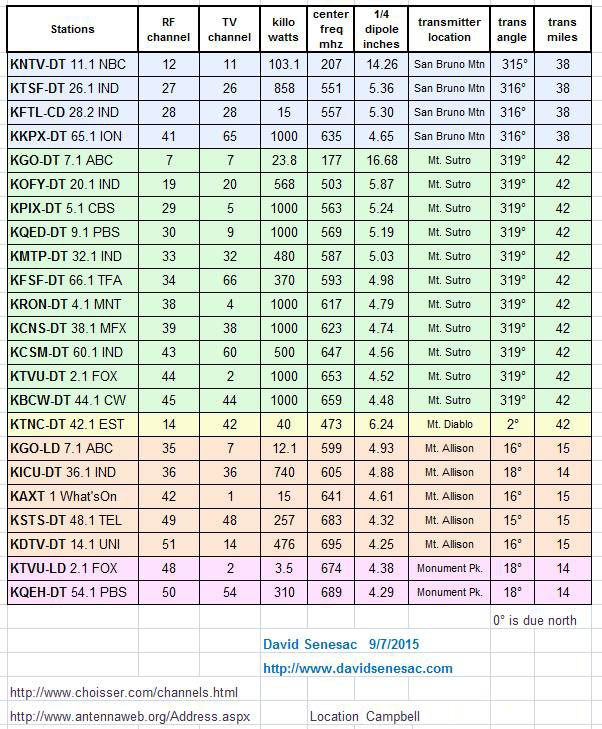
Weak or no signal messages often appear when the antenna is poorly connected. Check all cable connections to fix this. Interference from nearby electronics can affect signal quality. Adjust the antenna position to reduce interference. Outdated TV firmware can cause tuning problems. Updating your TV software helps improve channel detection.
Credit: www.davidsenesac.com
Troubleshooting Rf Signals
Troubleshooting RF signals on TV can be tricky. Weak or unclear channels often frustrate viewers. Understanding common problems helps fix signal issues quickly. Simple checks often restore clear picture and sound. Here are key areas to examine.
Weak Signal Causes
Weak signals usually come from distance or obstacles. Tall buildings, hills, or trees block TV signals. Old or damaged antennas reduce signal strength. Loose or broken cables cause signal loss. Weather conditions like rain or snow also weaken signals.
Interference Problems
Interference disrupts RF signals and lowers picture quality. Nearby electronic devices create noise that affects TV signals. Microwaves, cordless phones, and routers are common culprits. Electrical wiring in walls can cause interference. Overlapping channels from other broadcasters confuse the TV tuner.
Improving Signal Quality
Repositioning the antenna can improve reception. Point the antenna towards the nearest broadcast tower. Use higher quality coaxial cables to reduce loss. Remove or turn off devices causing interference. Adding a signal amplifier boosts weak signals. Scan for channels regularly to update your TV’s tuner.
Future Of Rf Channels
The future of RF channels on TV is changing fast. These channels used to deliver TV signals over the airwaves. Now, technology is shifting how we watch and receive TV signals. RF channels must adapt to new digital and smart TV trends.
Older analog signals are becoming less common. Digital technology offers better picture and sound quality. RF channels will play a different role as TV sets become smarter and more connected. New tools and methods are emerging to improve TV signal delivery and reception.
Digital Transition Impact
The switch from analog to digital has reshaped RF channels. Digital signals carry more data and use bandwidth efficiently. This change allows more channels and clearer images. Many countries have completed this digital transition. RF channels now handle digital broadcasts instead of old analog ones.
Digital TV also supports interactive features and better sound. It creates room for new services and content types. RF channels remain important but in a new digital form. This transition improves the viewer’s experience on traditional TVs.
Rf Channels In Smart Tvs
Smart TVs combine internet and broadcast signals. They can receive RF channels and stream online content. This blend offers viewers more choices and flexibility. RF channels still provide free local channels to smart TV users.
Smart TVs often include built-in tuners for RF channels. They make switching between broadcast and internet simple. RF channel technology supports this mix by delivering stable, live broadcasts. As smart TVs grow popular, RF channels stay relevant in daily viewing.
Emerging Technologies
New technologies affect how RF channels work. Advances in compression and transmission improve signal quality. 5G and wireless tech may carry TV signals alongside RF channels. Hybrid broadcast-broadband systems combine RF and internet signals for better service.
Future TVs might use RF channels with other data streams. This approach could reduce buffering and increase channel variety. Researchers explore new standards to enhance RF channel efficiency. These innovations aim to keep over-the-air TV strong and accessible.
Credit: otadtv.com
Credit: www.youtube.com
Frequently Asked Questions
What Are Rf Channels On Tv?
RF channels are radio frequency channels used to transmit TV signals. They carry audio and video data over the airwaves to your TV.
How Do Rf Channels Work On Televisions?
RF channels send signals through antennas or cables. Your TV tuner decodes these signals into pictures and sound.
Why Are Rf Channels Important For Tv Reception?
RF channels enable wireless TV broadcasting. They allow viewers to receive free, over-the-air TV without internet or cable.
Can I Tune Rf Channels Manually On My Tv?
Yes, most TVs let you scan and tune RF channels manually. This helps find available local broadcasts.
Conclusion
RF channels on TV carry signals through radio waves. They help transmit shows and movies to your screen. Understanding RF channels makes it easier to set up your TV. It also helps when troubleshooting signal issues. These channels are still important despite digital options.
Knowing how they work can improve your viewing experience. Keep this in mind when adjusting your antenna or cable. Simple steps can lead to better picture and sound quality. Stay curious about how your TV receives programs. It makes watching TV more enjoyable and clear.
As an Amazon Associate, I earn from qualifying purchases.