
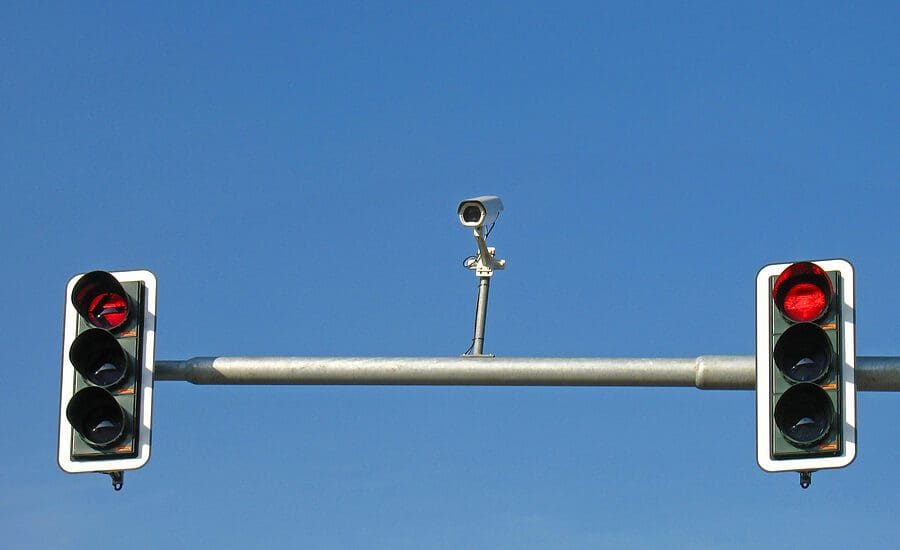
Have you ever noticed those small cameras perched on top of traffic lights and wondered what they’re really for? You’re not alone.
These tiny devices play a big role in keeping your drive smooth and safe. But what exactly do they do, and how do they affect your time on the road? Keep reading to discover the surprising ways these cameras work behind the scenes to manage traffic, catch rule-breakers, and even improve your daily commute.
Understanding their purpose could change how you see the roads around you.
Types Of Cameras On Traffic Lights
Traffic lights often have cameras mounted on top. These cameras serve different purposes. Each type helps manage traffic and improve safety. Understanding these cameras can help you see how cities control traffic flow and enforce rules.
Red Light Cameras
Red light cameras catch drivers who run red lights. They take photos or videos when a car crosses the stop line after the light turns red. These cameras help reduce accidents at intersections. They encourage drivers to stop on time.
Traffic Flow Cameras
Traffic flow cameras monitor the number of cars on the road. They track how fast vehicles move and how crowded the streets are. This information helps traffic managers adjust signal timings. It helps reduce traffic jams and keeps cars moving smoothly.
Surveillance Cameras
Surveillance cameras watch for unusual or dangerous activities. They can record accidents, crimes, or road hazards. Police and city officials use the footage to respond quickly. These cameras also make streets safer for everyone.

Credit: www.reddit.com
Functions Of Traffic Light Cameras
Traffic light cameras serve several important roles in road safety and traffic management. These cameras are not just for catching rule breakers. They help cities run smoother and safer for everyone. Understanding their functions reveals how they impact daily traffic and public security.
Monitoring Traffic Violations
Cameras capture cars that run red lights or speed at intersections. This helps police enforce traffic laws without being physically present. They provide clear evidence of violations, making it easier to issue fines. This discourages risky driving and reduces accidents.
Managing Traffic Congestion
Traffic light cameras collect data on vehicle flow and wait times. This information helps adjust signal timings to ease jams. By monitoring traffic patterns, cities can improve road efficiency. Smoother traffic means less pollution and shorter travel times.
Enhancing Public Safety
Cameras help identify dangerous driving behaviors and accidents quickly. Emergency services can respond faster with real-time information. They also deter crimes near intersections, making roads safer at all hours. Overall, these cameras protect drivers, pedestrians, and cyclists alike.
How Red Light Cameras Work
Red light cameras help catch drivers who run red lights. These cameras are placed on top of traffic lights to monitor intersections. They work automatically to improve road safety. Understanding how they work can help drivers be more careful.
Detection Mechanisms
Red light cameras use sensors to detect cars. These sensors are in the road or near the traffic light. They know when a car crosses the stop line after the light turns red. The system records the exact time of the violation.
Capturing Violations
Once the sensors detect a violation, the camera takes photos or videos. It captures the car’s license plate and the red light signal. These images show clear proof of the traffic offense. The footage is stored for review by traffic authorities.
Issuing Fines
After capturing a violation, authorities review the evidence. If confirmed, they send a ticket to the vehicle owner. The fine includes details about the location and time of the offense. This process helps enforce traffic rules without police presence.
Technology Behind Traffic Cameras
Traffic cameras on top of traffic lights help control road safety and traffic flow. They use smart technology to detect vehicles and capture images. These cameras work with sensors and computer systems to monitor traffic efficiently.
Understanding the technology helps us see how cities keep roads safe and organized. The cameras gather data that helps traffic managers make quick decisions.
Sensor Types
Traffic cameras use various sensors to detect vehicles. Inductive loop sensors sit under the road and sense metal parts of cars. Infrared sensors detect heat from engines and tires. Radar sensors send radio waves to find moving vehicles. Each sensor type helps cameras track traffic in real time.
Image Processing
Cameras capture images of vehicles at intersections. These images go through image processing software. The software reads license plates and checks for traffic violations. It can also count cars and detect red light running. Image processing makes sure the data is clear and useful for traffic control.
Communication Systems
Traffic cameras connect to control centers through communication systems. They use wired or wireless networks to send data fast. This connection allows traffic managers to see live video and alerts. Communication systems keep the flow of information steady and reliable.
Benefits Of Cameras On Traffic Lights
Cameras on top of traffic lights offer many benefits for cities and drivers. They help keep roads safer and traffic moving smoothly. These cameras provide useful information for traffic management and law enforcement. Their presence improves how intersections work every day.
Reducing Accidents
Cameras monitor vehicles and detect risky behaviors like running red lights. They help reduce accidents by encouraging drivers to obey signals. This lowers the chances of collisions at busy intersections. Safer roads protect drivers, passengers, and pedestrians alike.
Improving Traffic Flow
These cameras collect data on traffic volumes and patterns. Traffic signals adjust timing based on real-time traffic conditions. This reduces waiting times and cuts down congestion. Smoother traffic flow saves time and reduces fuel use for all drivers.
Supporting Law Enforcement
Cameras record evidence of traffic violations automatically. Police use this footage to enforce laws without needing to be present. It helps catch offenders who break rules like speeding or running red lights. This support makes roads safer for everyone.
Privacy And Legal Concerns
Traffic light cameras help control traffic and catch rule breakers. Yet, they raise important privacy and legal questions. People worry about how their data is used and if their rights are protected. Understanding these concerns is key to knowing how these cameras affect daily life.
Data Collection And Storage
Cameras collect images and video of vehicles and drivers. This data can include license plates and sometimes faces. Authorities store this information for a limited time. Storage systems must be secure to prevent misuse. Data is often used only for traffic enforcement or safety checks.
Legal Regulations
Different places have rules for camera use and data handling. Laws guide how long data stays and who can see it. Some areas require clear signs to warn drivers about cameras. Legal limits protect people’s privacy rights. Courts sometimes review camera evidence in traffic cases.
Public Opinions
People have mixed feelings about traffic cameras. Some feel safer with better traffic control. Others worry about constant surveillance and data misuse. Trust depends on transparency and clear rules. Open discussions help balance safety and privacy needs.
Future Trends In Traffic Light Cameras
Traffic light cameras are evolving rapidly. New technologies will shape how these cameras work. They will help cities manage traffic better and safer. These future trends focus on smart technology and data use.
Integration With Smart Cities
Traffic light cameras will connect with smart city systems. They will share data with other devices and sensors. This connection helps cities control traffic flow in real time. Cameras will support emergency services by clearing paths quickly. Cities will reduce congestion and pollution with better traffic control.
Ai And Machine Learning
Artificial intelligence will improve camera accuracy. Cameras will learn to detect unusual traffic patterns. They will predict accidents and alert drivers early. AI will help cameras adjust signal times automatically. This reduces waiting times and improves safety for everyone.
Enhanced Traffic Management
Future cameras will provide detailed traffic information. Traffic managers will use this data to plan roadworks and events. Cameras will monitor traffic volume and speed continuously. This helps prevent jams and keeps traffic moving smoothly. Better data means safer roads and less travel time.
Credit: www.ctisl.es

Credit: www.yahoo.com
Frequently Asked Questions
What Is The Purpose Of Cameras On Traffic Lights?
Cameras on traffic lights monitor vehicle flow and improve traffic management. They help detect congestion, accidents, and enforce traffic rules efficiently.
How Do Traffic Light Cameras Improve Road Safety?
These cameras capture violations like red-light running. This reduces accidents by deterring dangerous driving and promoting law compliance at intersections.
Are Traffic Light Cameras Used For Traffic Signal Control?
Yes, cameras detect vehicle presence and adjust signal timings. This optimizes traffic flow and reduces waiting times at busy intersections.
Can Cameras On Traffic Lights Record Videos Or Photos?
Yes, they record images or videos of vehicles breaking traffic laws. These records support traffic violation enforcement and legal proceedings.
Conclusion
Cameras on top of traffic lights help keep roads safe and smooth. They watch cars and detect traffic flow. This helps control the lights and reduce jams. They also catch drivers who break rules. These cameras are part of smart city plans.
They make driving easier and safer for everyone. Understanding their role shows how technology helps daily life. Next time you see one, remember its job to protect and manage traffic. Simple tools, big impact.
As an Amazon Associate, I earn from qualifying purchases.
