
Have you ever wondered why some speakers sound clearer and more detailed than others? The secret often lies in a small but powerful component called a tweeter.
If you want your music, movies, or games to come alive with crisp, high-quality sound, understanding what tweeters do is key. You’ll discover exactly what tweeters are, how they work, and why they matter for your speakers. By the end, you’ll know how to choose or improve your sound system so every note hits just right.
Keep reading to unlock the full potential of your audio experience.
Role Of Tweeters In Speakers
Tweeters play a key role in speaker systems. They handle the high-pitched sounds that other speaker parts cannot produce well. These sounds include the sharp notes in music and the clear voices in movies. Without tweeters, audio would sound dull and flat.
Speakers need tweeters to complete the sound range. They work with other speaker parts to make sound full and rich. Tweeters bring life and clarity to the listening experience.
High-frequency Sound Production
Tweeters produce the highest sounds in audio. These sounds range from about 2,000 to 20,000 Hz. This range covers the crisp details in music and speech. Tweeters use small, lightweight materials to move quickly and create sharp sounds. This quick movement helps produce clear and bright tones.
Complementing Woofers And Midranges
Woofers handle low sounds like bass, and midranges cover the middle frequencies. Tweeters fill in the top part of the sound spectrum. Each speaker part focuses on its own range for better sound quality. Together, they produce a balanced and natural sound. This teamwork makes music and voices sound more real and enjoyable.
Types Of Tweeters
Tweeters are small speakers that produce high sounds. They help you hear clear and bright audio. Different types of tweeters exist. Each type has unique features and sound quality. Knowing these types can help you choose the right speaker for your needs.
Dome Tweeters
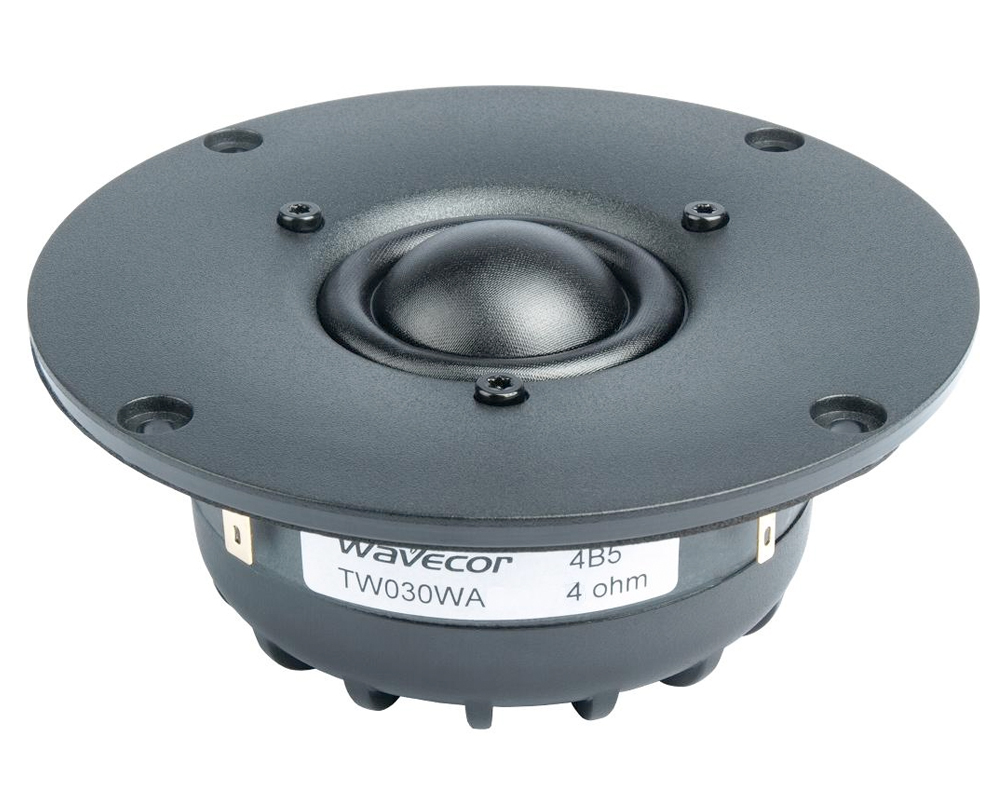
Dome tweeters are the most common type. They have a small dome-shaped diaphragm. This dome moves to create high-frequency sounds. Dome tweeters offer smooth and natural sound. They work well in many speaker systems.
Horn Tweeters
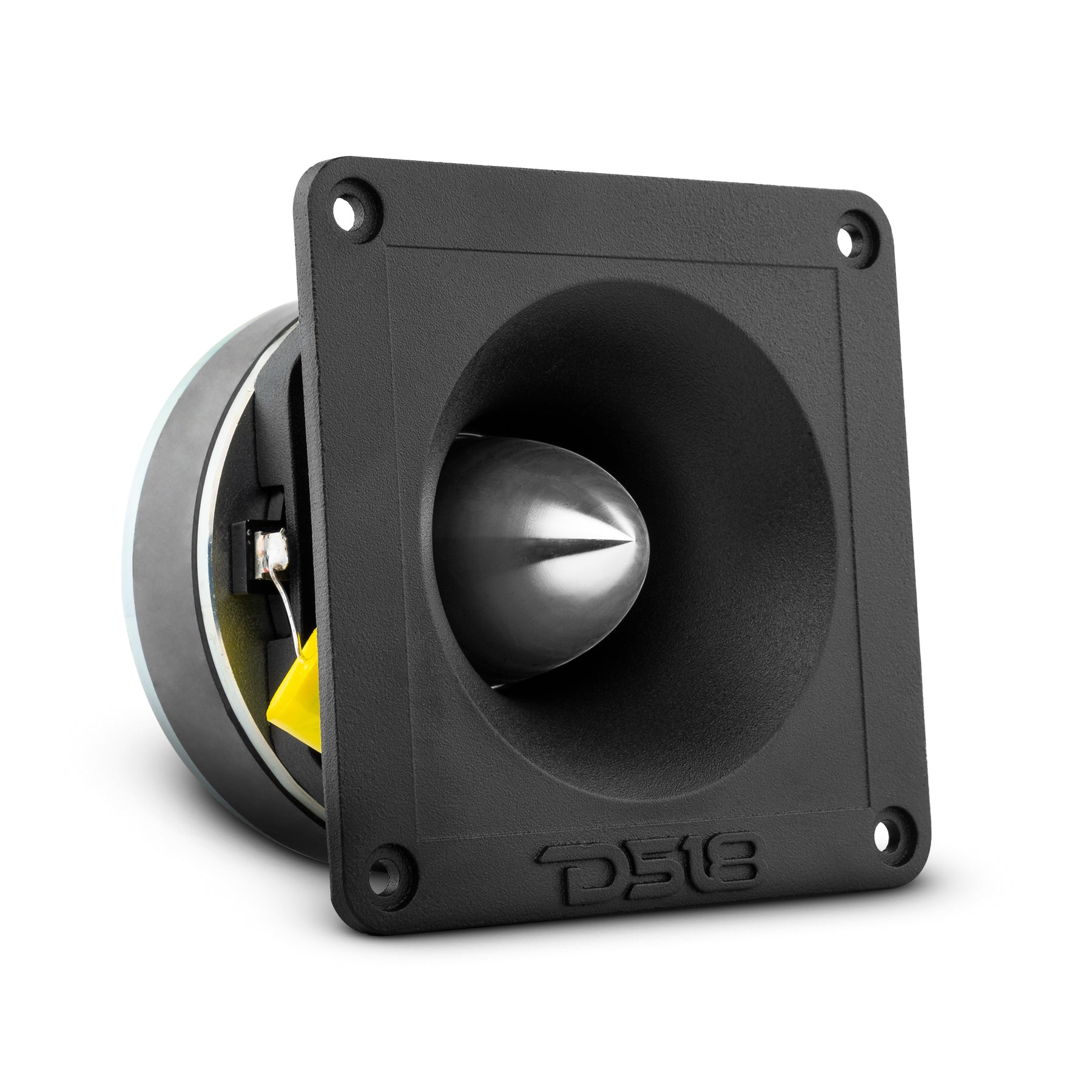
Horn tweeters use a horn-shaped structure. This shape helps direct sound waves. Horn tweeters are loud and efficient. They produce sharp and clear high notes. These tweeters are often used in large venues.
Ribbon Tweeters
Ribbon tweeters use a thin metal ribbon. The ribbon vibrates to make sound. They create very detailed and fast high frequencies. Ribbon tweeters are delicate but offer excellent sound clarity.
Piezo Tweeters
Piezo tweeters use a crystal that changes shape with electricity. This movement produces sound. They are small, cheap, and durable. Piezo tweeters often appear in simple or budget speakers.
Materials Used In Tweeters
Tweeters need specific materials to deliver clear, high-frequency sounds. These materials affect sound quality, durability, and price. Different materials suit different audio needs.
Soft Dome Materials
Soft dome tweeters often use fabrics like silk or textile. These materials provide smooth, natural sound. They reduce harshness in high notes. Soft domes also absorb vibrations well. This makes music sound warm and clear.
Metallic Dome Options
Metallic dome tweeters use metals like aluminum or titanium. These materials create bright, detailed sounds. They handle higher power without distortion. Metallic domes offer crisp, sharp highs. They work well in many speaker types.
Exotic Materials
Some tweeters use rare materials like beryllium or diamond. These materials improve sound clarity and speed. They are very light and strong. Exotic materials often cost more. Audiophiles appreciate their precise sound quality.
Credit: ds18.com
Tweeter Placement And Design
Tweeter placement and design play a key role in sound quality. Tweeters handle high frequencies, so their position affects clarity and detail. Proper design and placement help speakers deliver crisp and clear sound. This section explains important factors for placing tweeters in speaker cabinets.
Optimal Positioning In Speaker Cabinets
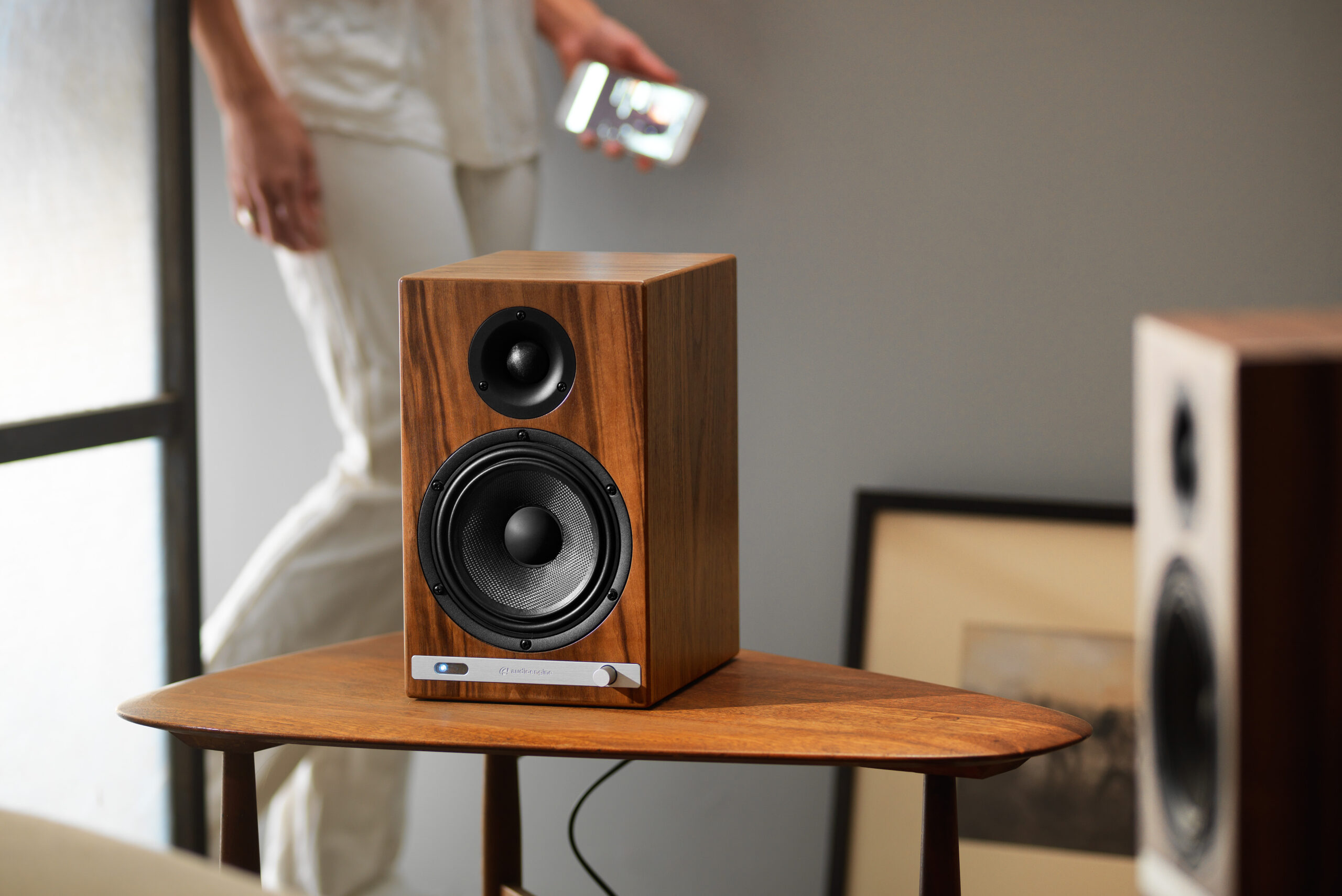
Tweeters usually sit near the top of the speaker cabinet. This position helps high frequencies travel directly to the listener’s ears. Placing tweeters too low can cause sound to bounce off surfaces and lose clarity. The height should match the listener’s ear level for the best experience. Proper spacing from other drivers reduces interference and distortion.
Angle And Dispersion Patterns
Tweeters must be angled correctly to spread sound evenly. The angle directs high frequencies toward the listening area. Wide dispersion patterns cover a larger space, letting more people hear clear sound. Narrow dispersion focuses sound in one direction, improving detail for a single listener. Designers balance angle and dispersion for the best sound in different rooms.
Impact On Sound Quality
Tweeters play a key role in shaping the sound quality of speakers. They handle the high-frequency sounds that many other speaker parts cannot reach. This focus on high tones helps bring music and voices to life. The impact of tweeters on sound quality affects how clear and detailed the audio feels. It also changes how listeners perceive space and direction in sound.
Clarity And Detail Enhancement
Tweeters improve the sharpness of sounds like cymbals, birds, and high-pitched vocals. They make these sounds stand out without being harsh. Clear high frequencies help listeners hear small details in music. This detail adds depth and realism to the audio. Without tweeters, high notes can sound muffled or dull. Tweeters ensure these notes remain bright and crisp.
Influence On Soundstage And Imaging
Tweeters shape the soundstage, which is the space where sounds appear. They help place instruments and voices in a clear position. This placement makes it easy to tell where each sound comes from. Good imaging gives a sense of direction and distance. Tweeters allow listeners to feel like they are inside the music. This effect makes listening more immersive and enjoyable.
Credit: audioxpress.com
Matching Tweeters With Other Speaker Components
Tweeters produce the high sounds in a speaker system. Matching them well with other parts improves overall sound quality. Proper matching helps each speaker part work together smoothly. This balance creates clear, natural audio that you enjoy.
Choosing the right tweeter involves thinking about its connection to woofers and midrange drivers. Tweeters handle high frequencies, while others manage lower and mid frequencies. The right match avoids sound overlap or gaps, making music sound perfect.
Crossover Networks
Crossover networks split audio signals into parts for each speaker. They send high frequencies to tweeters and lower ones to woofers. A well-designed crossover protects tweeters from heavy bass signals. It also improves sound clarity by directing the right tones to each driver.
Choosing a crossover with the correct frequency cutoff is important. The crossover point must match the tweeter’s range for smooth sound flow. A poor crossover can cause distortion or harsh sounds. Correct use keeps all speakers working in harmony.
Power Handling And Sensitivity
Power handling means how much power a tweeter can take without damage. Match this with the amplifier and other speaker parts to avoid problems. A tweeter with low power handling can blow out easily.
Sensitivity shows how well a tweeter converts power into sound. Matching sensitivity levels between tweeters and other drivers keeps volume balanced. Differences in sensitivity can cause uneven sound or strain on the system.
Balancing power handling and sensitivity ensures a safe and clear sound. This balance helps your speakers last longer and sound better.
Choosing The Right Tweeter
Choosing the right tweeter is important for good speaker sound. Tweeters handle high frequencies and bring clarity to music and voices. Picking the best tweeter depends on many factors. These include where you will use the speakers and how much you want to spend. Understanding these points helps you find a tweeter that fits your needs and delivers clear, crisp sound.
Application Considerations
Think about where you will use the speakers. For home audio, small dome tweeters work well. They give smooth and clear sound. In cars, space is tight. You may need compact tweeters that fit easily. For large rooms or outdoor use, look for tweeters with higher power handling. Some tweeters suit certain speaker designs better. Match the tweeter to your speaker setup for best results.
Budget Vs Performance
Tweeters come in many price ranges. Higher cost often means better sound quality and durability. But budget tweeters can still offer good clarity for casual listening. Balance how much you want to spend with the sound quality you need. Don’t pay too much for features you won’t use. Find a tweeter that sounds good and fits your budget. This keeps your speaker system both affordable and enjoyable.
Credit: audioengine.com
Frequently Asked Questions
What Are Tweeters In Speaker Systems?
Tweeters are small speaker drivers designed to produce high-frequency sounds. They handle treble ranges, enhancing clarity and detail in audio playback.
Why Are Tweeters Important For Speakers?
Tweeters improve sound quality by reproducing crisp, clear high frequencies. They complement woofers, delivering a balanced and full audio experience.
How Do Tweeters Affect Speaker Performance?
Tweeters enhance audio precision by accurately producing high-pitched sounds. This leads to richer, more detailed music and clearer vocals.
Can Speakers Work Without Tweeters?
Speakers can work without tweeters, but sound quality suffers. High frequencies may become muffled or distorted without tweeter drivers.
Conclusion
Tweeters help speakers produce clear, high-pitched sounds. They handle the treble notes that other parts cannot. This makes music and voices sound sharp and bright. Good tweeters improve overall sound quality in any speaker. They work with woofers to cover all sound ranges well.
Knowing their role helps you choose better speakers. Clear highs make listening more enjoyable and detailed. So, tweeters play a key part in good audio systems.
As an Amazon Associate, I earn from qualifying purchases.

