
Are you sure the air around you is safe? A 4 gas monitor can give you the answer.
This small device detects harmful gases that you might not even notice. Understanding what it detects can protect your health and even save your life. Keep reading to find out exactly what gases this monitor checks and why it’s so important for your safety.
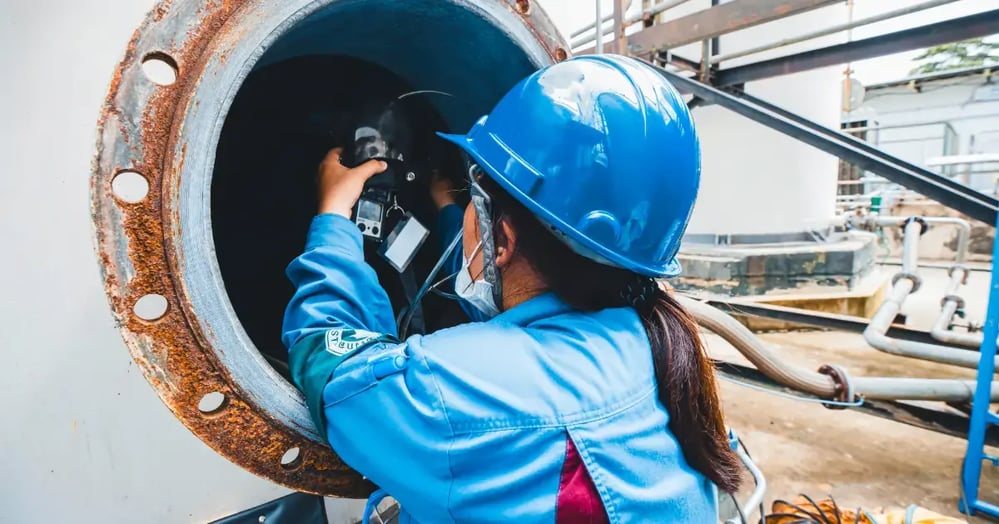
Credit: www.tradifyhq.com
Key Gases Detected
A 4 gas monitor detects four key gases that can affect safety in many work environments. These gases include oxygen, combustible gases, carbon monoxide, and hydrogen sulfide. Each gas has different risks and needs careful monitoring.
Oxygen Levels
Oxygen is vital for life. A 4 gas monitor checks if oxygen levels are safe to breathe. Too little oxygen can cause dizziness or unconsciousness. Too much oxygen can increase fire risk. Keeping oxygen in the right range is crucial.
Combustible Gases
Combustible gases can catch fire or explode. The monitor detects gases like methane and propane. Early detection helps prevent fires and accidents. Workers get warnings before gas builds up to dangerous levels.
Carbon Monoxide
Carbon monoxide is a deadly gas. It is colorless and odorless. The monitor alerts users if carbon monoxide is present. Exposure can cause headaches, nausea, or death. Quick detection saves lives.
Hydrogen Sulfide
Hydrogen sulfide smells like rotten eggs. It is toxic and can cause serious harm. The 4 gas monitor warns about hydrogen sulfide in the air. This alert helps workers avoid breathing dangerous fumes.
Importance Of Each Gas
A 4 gas monitor detects four critical gases in the air. Each gas poses unique dangers to health and safety. Understanding the importance of each gas helps protect lives. Workers in confined spaces and industrial areas rely on these monitors daily.
Oxygen Deficiency Risks
Oxygen is vital for breathing and life. Low oxygen levels can cause dizziness and fainting. Severe deficiency leads to unconsciousness and death. Monitoring oxygen ensures safe air to breathe. It alerts workers before oxygen drops to dangerous levels.
Fire And Explosion Hazards
Flammable gases can ignite and cause explosions. Methane and other gases are highly combustible. A 4 gas monitor detects flammable gas presence early. This helps prevent fires by warning workers. Quick action saves lives and property.
Carbon Monoxide Poisoning
Carbon monoxide is a colorless, odorless gas. It blocks oxygen from entering the blood. Even small amounts can cause headaches and nausea. High levels lead to brain damage or death. Detecting carbon monoxide protects workers from poisoning.
Hydrogen Sulfide Toxicity
Hydrogen sulfide smells like rotten eggs at low levels. At high levels, it can cause rapid unconsciousness. It irritates the eyes, nose, and throat. Exposure to toxic levels can be fatal. The monitor warns to evacuate before harm occurs.
How 4 Gas Monitors Work
Understanding how 4 gas monitors work helps explain their vital role in safety. These devices detect harmful gases in the air. They use special sensors and technology to alert users quickly. This section breaks down the main parts of these monitors and how they function.
Sensor Types
4 gas monitors use different sensors for each gas. Electrochemical sensors detect toxic gases like carbon monoxide and hydrogen sulfide. Catalytic sensors measure combustible gases such as methane. Infrared sensors detect gases like carbon dioxide by measuring light absorption. Each sensor is designed for specific gas detection to ensure accuracy.
Detection Methods
Sensors continuously sample the surrounding air. They react chemically or physically to the gas presence. Electrochemical sensors produce an electric current when exposed to target gases. Catalytic sensors oxidize combustible gases, generating heat and changing resistance. Infrared sensors measure how much light the gas absorbs. These methods allow real-time monitoring of gas levels.
Alarm Systems
4 gas monitors have built-in alarms to warn users. Audible alarms sound loud beeps or sirens. Visual alarms flash bright lights or display warning messages. Some monitors also vibrate to alert users silently. These alarms activate when gas levels exceed safe limits. They help prevent accidents by prompting quick action.
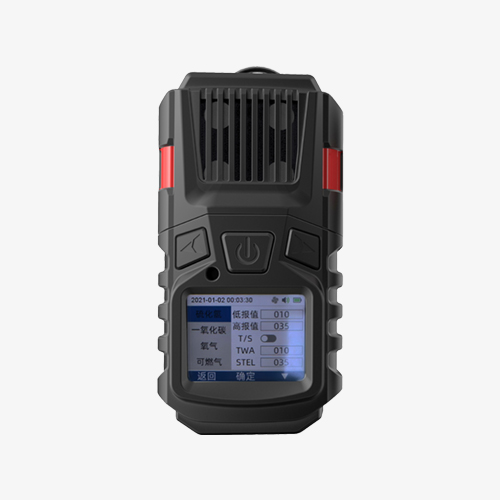
Credit: www.hnfosensor.com
Applications In Safety
A 4 gas monitor plays a vital role in safety across many areas. It detects harmful gases quickly, helping prevent accidents and injuries. Workers rely on these devices to stay safe in risky environments.
Industrial Settings
Factories and plants use 4 gas monitors to check air quality. The device detects gases like carbon monoxide and hydrogen sulfide. This helps avoid toxic exposure and fires. Regular monitoring keeps workers safe and ensures rules are followed.
Confined Space Monitoring
Confined spaces can have dangerous gas build-up. A 4 gas monitor checks oxygen levels and toxic gases inside these areas. It alerts workers before gas levels become unsafe. This reduces the risk of suffocation and poisoning.
Emergency Response
First responders use 4 gas monitors at accident sites. They assess the presence of toxic gases quickly. This information guides rescue operations and protects emergency teams. It helps save lives during fires, leaks, and spills.
Maintenance And Calibration
Maintenance and calibration keep a 4 gas monitor working correctly and safely. These steps ensure the device detects harmful gases accurately. Neglecting this care can lead to wrong readings and dangerous situations.
Routine Checks
Check the monitor daily before use. Look for physical damage or dirt on sensors. Test the alarm sounds and display screen. Clean the device gently to avoid damage. Keep batteries charged or replaced regularly.
Calibration Procedures
Calibration adjusts the monitor to measure gases correctly. Use a test gas with a known concentration. Follow the device manual for calibration steps. Perform calibration at least once a month. Some monitors have automatic calibration features.
Sensor Replacement
Sensors wear out over time and lose accuracy. Replace sensors according to the manufacturer’s schedule. Signs of sensor failure include slow response or no detection. Use only genuine replacement parts. Proper sensor care extends the monitor’s life.

Credit: pksafety.com
Frequently Asked Questions
What Gases Does A 4 Gas Monitor Detect?
A 4 gas monitor detects oxygen (O2), carbon monoxide (CO), hydrogen sulfide (H2S), and combustible gases. These are the most common hazardous gases in industrial environments. It ensures worker safety by alerting users to dangerous gas levels quickly and accurately.
How Does A 4 Gas Monitor Improve Workplace Safety?
A 4 gas monitor continuously checks air quality for toxic and combustible gases. It alerts workers with alarms if gas levels become unsafe. This early warning helps prevent accidents, injuries, and fatalities in hazardous work environments.
Where Are 4 Gas Monitors Commonly Used?
4 gas monitors are widely used in industries like oil and gas, mining, confined spaces, and manufacturing. They help detect dangerous gases in environments where leaks or toxic exposure can occur. Their portability makes them ideal for on-site safety monitoring.
Can A 4 Gas Monitor Detect Explosive Gases?
Yes, 4 gas monitors detect combustible gases that could cause explosions. They measure flammable gas concentrations to prevent fire hazards. This feature is crucial in environments with potential gas leaks or volatile substances.
Conclusion
A 4 gas monitor detects dangerous gases fast and clearly. It checks oxygen, carbon monoxide, hydrogen sulfide, and flammable gases. This tool helps keep workers safe in many places. Knowing the gas levels can stop accidents before they happen. Everyone working around gases should use this device.
It’s simple but very important for safety. Always trust your 4 gas monitor to alert you in time. Safety matters most in any work environment. Stay aware, stay protected.
As an Amazon Associate, I earn from qualifying purchases.

