
Have you ever wondered what wearing a 7 day heart monitor actually looks like? If your doctor has recommended this test, you might be curious or even a bit nervous about the experience.
You’re probably asking yourself: Will it be uncomfortable? Will it get in the way of my daily routine? You’ll discover exactly what to expect, how the device works, and why it’s an important step in understanding your heart health. By the end, you’ll feel confident and ready for your monitoring period.
Keep reading to learn everything you need to know about a 7 day heart monitor.

Credit: www.echomed.co.uk
Purpose Of A 7 Day Heart Monitor
A 7 day heart monitor tracks your heart’s activity continuously for a full week. It records your heart rhythm to find any unusual patterns. This device helps doctors understand your heart health better. It captures data that a short test might miss. Monitoring over seven days increases the chance of detecting irregular heartbeats or other problems. The data collected guides doctors to make correct treatment decisions.
Who Needs It
People with symptoms like dizziness, fainting, or chest pain may need a 7 day heart monitor. Those who have had a stroke or suspect irregular heartbeats also benefit. Doctors suggest this test if a standard ECG does not show clear results. It helps catch heart issues that come and go. Anyone at risk of heart disease might require this monitoring.
Conditions Monitored
The 7 day heart monitor checks for arrhythmias, which are irregular heartbeats. It helps detect atrial fibrillation, a common cause of stroke. The device also finds slow or fast heart rates that may cause problems. It can spot pauses in the heartbeat or skipped beats. This monitoring helps track how well treatments for heart conditions are working.
Types Of 7 Day Heart Monitors
7 day heart monitors come in different types. Each type has unique features to track your heart health. Understanding these types helps you know what to expect during monitoring.
Wearable Devices
Wearable devices are small and easy to wear. They attach to your wrist or chest with straps. These devices record heart signals continuously for seven days. They are lightweight and allow normal movement. Some connect to smartphones for easy data access.
Patch Monitors
Patch monitors stick directly on your skin. They are thin, flexible, and almost invisible. The patch records heart activity without wires or straps. It stays on for the full seven days. Patch monitors are water-resistant, so you can shower while wearing them.
Portable Recorders
Portable recorders are small machines you carry with you. They connect to electrodes placed on your chest. The machine records heart signals during the seven-day period. You press a button to mark any unusual symptoms. These devices store data for doctors to review later.
Physical Appearance And Design
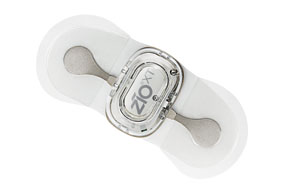
The physical appearance and design of a 7 day heart monitor are simple and user-friendly. It is made to be worn comfortably for a full week. The device looks small and light, so it does not get in the way of daily activities.
Understanding what it looks like helps users feel more at ease. The design focuses on convenience and ease of use. This section breaks down the key features of the device’s physical look.
Size And Weight
The 7 day heart monitor is usually compact and lightweight. Most devices fit in the palm of your hand. They weigh just a few ounces, making them easy to carry.
The small size means it can be hidden under clothes. This helps users feel less self-conscious while wearing it. The light weight ensures it does not cause discomfort over time.
Attachment Methods
The device attaches to the body using gentle adhesive patches. These patches stick to the chest or other areas. They hold the monitor securely in place for seven days.
Some monitors use a belt or strap instead of patches. This offers another option for comfort and fit. The attachment methods aim to keep the monitor stable without pain.
Display And Controls
Most 7 day heart monitors have a small screen or no screen at all. The display shows basic information like battery life or recording status. Controls are simple buttons for starting or stopping the device.
The design avoids complex menus or settings. This makes it easy for anyone to use. The focus is on recording heart data quietly and reliably.
Credit: www.cvmg.com
How The Monitor Works
The 7 day heart monitor is a small device worn on the body. It tracks your heart’s activity continuously over one week. Understanding how it works helps you feel more comfortable during the monitoring period. The device captures and sends important heart data to your doctor for review.
Data Collection Process
The monitor has sensors that attach to your chest. These sensors detect your heart’s electrical signals. Every beat creates a small electrical pulse. The device records these pulses as data. It stores the information securely throughout the day and night. You can move and do daily activities while wearing it.
Signal Transmission
The recorded data is sent to a receiver or a smartphone app. This happens either in real-time or after the monitoring period. The transmission uses wireless technology, like Bluetooth or cellular signals. Your doctor receives the data to check for any irregular heart rhythms. This process helps catch issues early.
Battery Life
The monitor uses a small, rechargeable battery. It lasts the entire 7-day monitoring period. You do not need to remove or recharge it during this time. The battery powers the sensors and data transmission. After the period ends, you return the device for data analysis.
Wearing The Monitor
Wearing a 7 day heart monitor is simple and does not interrupt daily life much. The device records your heart’s activity for a full week. You wear it almost all the time. Understanding how to wear it properly helps get the best results. Comfort and care matter during this period.
Placement Tips
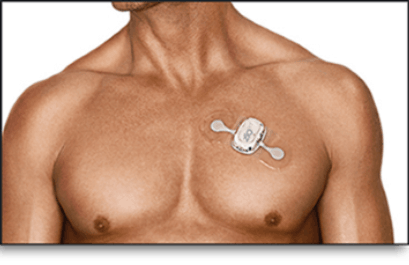
The monitor usually attaches to your chest. It uses small sticky patches to stay in place. Place the patches on clean, dry skin. Avoid hairy or oily areas. Follow the doctor’s instructions on exact placement. This helps the monitor capture clear heart signals. Check the patches daily to make sure they stick well.
Daily Activities While Wearing
You can do most activities as usual. Walking, working, and sleeping are fine. Avoid swimming or bathing because the monitor is not waterproof. Be gentle when dressing to avoid pulling the device. Remove tight clothing that might press on the monitor. Carry on with your routine to get accurate heart data.
Skin Care And Comfort
Skin under the patches may feel itchy or warm. Do not scratch or pull on the patches. Clean the skin gently around the monitor with a damp cloth. Avoid lotions or creams near the patches. If irritation happens, tell your doctor. Keeping the skin clean and dry helps prevent discomfort.
Data Analysis And Results
After wearing a 7 day heart monitor, your heart’s activity data is ready for review. The device collects detailed information about your heartbeat and rhythm. This data helps doctors find any irregularities or problems. Understanding the results is important for your health care plan.
What Doctors Look For
Doctors check for irregular heartbeats, called arrhythmias. They also watch for pauses or unusually fast or slow heart rates. Signs of poor blood flow or stress on the heart are important too. Doctors compare the data to normal heart patterns. They focus on any unusual changes during daily activities or sleep.
Interpreting The Data
Special software helps doctors analyze the heart monitor data. The data appears as graphs and charts showing heart rate changes over time. Doctors identify patterns or sudden shifts in heart rhythm. They also note how often these events happen. This helps understand if symptoms like dizziness or chest pain relate to heart activity.
Next Steps After Monitoring
Doctors discuss the results with you after analysis. They may suggest lifestyle changes, medicines, or further tests. Sometimes, no action is needed if the heart is healthy. In other cases, treatment plans target specific heart problems. Follow-up visits ensure your heart stays on the right track.
Benefits And Limitations
A 7 day heart monitor offers a longer look at your heart’s activity. It helps doctors find irregular heartbeats or other issues that short tests might miss. This section explains the benefits and limits of this monitor. Understanding both sides can help you know what to expect during the test.
Advantages Over Short-term Monitors
A 7 day monitor tracks your heart for a full week. This longer time catches rare or brief problems. Short monitors only work for 24 to 48 hours and might miss these. The longer record gives doctors more data. It shows how your heart reacts to daily activities and rest.
The device is usually small and light. It lets you move around freely. You can go to work or do chores as usual. This helps get a true picture of your heart health.
Potential Challenges
Wearing a monitor for seven days can feel uncomfortable. The electrodes may irritate your skin. Some people find it annoying to keep the device on all the time. Showering can be tricky since the monitor is not waterproof.
There is a risk of the device shifting or coming loose. This can affect the data quality. You must follow instructions carefully to avoid errors. Also, daily activities might cause some signal interference.
Accuracy Factors
Accuracy depends on proper use and placement. Strong contact between electrodes and skin is crucial. Body movements can cause noise in the data. Electrical interference from other devices might affect readings.
Doctors review the full week of data to spot true issues. The longer record helps reduce false alarms. Still, some heart problems may need additional tests for confirmation.
Cost And Availability
Understanding the cost and availability of a 7 day heart monitor helps you plan better. These devices vary in price based on features and providers. Availability depends on your location and healthcare options.
Insurance Coverage
Many insurance plans cover 7 day heart monitors. Coverage depends on your medical need and policy details. Always check with your insurance before getting the monitor. This can reduce out-of-pocket costs significantly.
Rental Vs. Purchase Options
You can rent or buy a 7 day heart monitor. Renting is common for short-term use prescribed by doctors. Buying may be better for long-term or repeated monitoring. Prices differ widely between rental and purchase.
Where To Get One
Hospitals and cardiology clinics often provide these monitors. Some pharmacies and medical supply stores offer rentals or sales. Online medical equipment retailers also sell or rent these devices. Choose a trusted source for quality and support.
Tips For A Successful Monitoring Period
Using a 7 day heart monitor requires some care to get the best results. Simple habits help the device work well and give clear data. Follow these tips to have a smooth monitoring period. This way, your doctor will get accurate information about your heart health.
Maintaining Device Functionality
Keep the monitor dry and clean. Avoid showers or baths while wearing it. Check the device daily for any loose wires or damage. Do not pull on the cables or press hard on the device. Wear loose clothing to prevent pressure on the monitor. Charge the device if needed, based on your doctor’s advice.
Recording Symptoms
Write down any symptoms like chest pain, dizziness, or shortness of breath. Note the exact time when symptoms happen. Include details about what you were doing at that moment. Use a notebook or an app to keep track. This helps your doctor link symptoms with heart activity. Be honest and clear in your notes.
Communicating With Healthcare Providers
Keep in touch with your doctor during the monitoring period. Report any problems with the device immediately. Ask questions if you do not understand instructions. Share your symptom records at your follow-up appointment. Clear communication helps your doctor make the right diagnosis. Follow all advice to ensure accurate results.
Credit: www.drholdright.co.uk
Frequently Asked Questions
What Does A 7 Day Heart Monitor Look Like?
A 7 day heart monitor is a small, lightweight device worn on the chest. It has wires connected to adhesive electrodes. The monitor records heart rhythms continuously for seven days. It is discreet and designed for comfort during daily activities.
How Do You Wear A 7 Day Heart Monitor?
You wear the monitor by attaching electrodes to your chest. The device connects to these electrodes and records heart activity. It stays on for seven days, even during sleep and showering, unless instructed otherwise by your doctor.
What Data Does A 7 Day Heart Monitor Collect?
The monitor records electrical signals of your heart continuously. It tracks irregular heartbeats, arrhythmias, and other rhythm abnormalities. This data helps doctors diagnose heart conditions and decide on treatment plans.
Can I Shower While Wearing A 7 Day Heart Monitor?
Most 7 day heart monitors are water-resistant but not waterproof. You can usually shower with it on, but avoid soaking or swimming. Always follow your healthcare provider’s specific instructions to keep the device safe.
Conclusion
A 7 day heart monitor helps track your heart’s activity clearly. It is small and easy to wear every day. You can live your normal life while wearing it. The device records important heart data for doctors to review. This helps find problems that short tests might miss.
Knowing what to expect makes the process less stressful. Trust the monitor to give useful information about your health. Taking care of your heart is important. This simple test can guide you to better care.
As an Amazon Associate, I earn from qualifying purchases.

