
Have you ever wondered who keeps a close eye on the machines that watch over your health? A Monitor Tech plays a crucial role in hospitals and clinics, quietly ensuring everything runs smoothly behind the scenes.
If you’re curious about what this job really involves and how it impacts patient care, you’re in the right place. Keep reading to discover what a Monitor Tech does and why this role might be more important—and interesting—than you think.
Credit: www.ziprecruiter.com
Monitor Tech Role
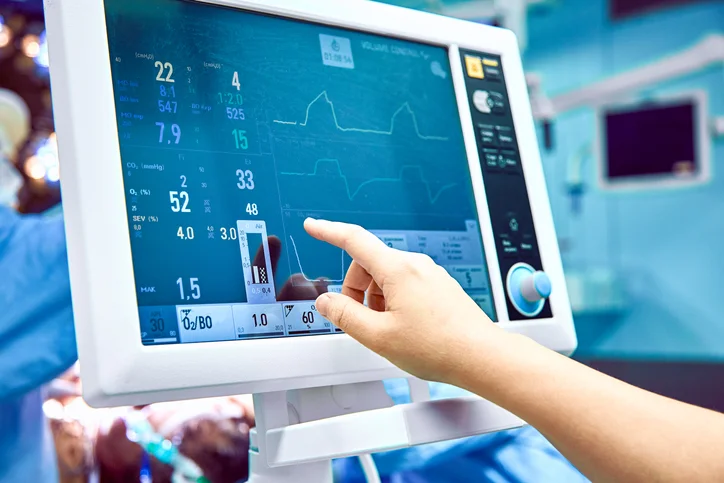
The role of a Monitor Tech is vital in healthcare settings. They watch patients closely using special machines. Their job is to spot any changes in health quickly. This helps doctors and nurses act fast. Monitor Techs support the medical team by keeping track of heart rates, breathing, and other vital signs.
They work behind the scenes but play a key part in patient care. Understanding their daily tasks and skills shows how important this role is.
Daily Responsibilities
Monitor Techs check screens to watch patient monitors all day. They look for unusual heart rhythms or sudden changes. When alarms sound, they alert nurses or doctors right away. They document findings clearly and report any concerns. Keeping machines working properly is also their duty. They may help set up new monitors for patients.
Work Environment
Most Monitor Techs work in hospitals or clinics. They stay in central monitoring rooms or near patient units. The job can be fast-paced and requires focus. They often work day, night, or weekend shifts. The environment is quiet but can become busy during emergencies. Teamwork with nurses and doctors is important.
Essential Skills
Attention to detail is crucial for Monitor Techs. They must notice small changes in patient data. Good communication helps them share information clearly. Basic computer skills are needed for using monitoring equipment. Patience and calmness keep them steady during alarms. They must follow safety rules to protect patients and themselves.

Credit: www.youtube.com
Medical Equipment Handling
Medical equipment handling is a key part of a monitor tech’s job. They work closely with machines that track patient health. Proper handling helps keep devices accurate and patients safe. Each step, from using to fixing equipment, matters a lot.
Monitor techs handle various devices daily. These tools show important signs like heart rate and oxygen levels. Using them correctly ensures doctors get the right information fast.
Operating Monitoring Devices
Monitor techs know how to use many types of machines. They set up devices carefully on patients. They check the settings to match each patient’s needs. Watching the screen helps them spot any changes quickly. This skill helps doctors make better decisions.
Troubleshooting Equipment
Sometimes machines don’t work right. Monitor techs find the problem fast. They fix small issues or call for repairs. This keeps tests going without delay. Good troubleshooting lowers risks and saves time.
Ensuring Patient Safety
Patient safety is the top priority. Monitor techs clean devices to stop germs. They make sure wires and sensors fit correctly. They watch patients closely to avoid errors. Their careful actions protect patients every day.
Collaboration In Healthcare
Collaboration in healthcare is vital for patient safety and care quality. Monitor techs work closely with nurses, doctors, and other staff. Their role helps the healthcare team act quickly and correctly. Clear communication and teamwork keep patients stable and improve outcomes.
Working With Nurses And Doctors
Monitor techs watch patients’ vital signs on screens. They inform nurses and doctors about changes fast. This teamwork helps medical staff react to problems early. Techs explain data clearly so nurses and doctors understand it. This cooperation supports better treatment and patient care.
Reporting And Documentation
Monitor techs record important information about patient status. They write reports on heart rate, breathing, and alarms. Accurate notes help doctors review patient progress. Good documentation supports decisions on treatments and tests. It also keeps the whole team updated about patient health.
Responding To Emergencies
Monitor techs act quickly when alarms sound. They alert nurses and doctors without delay. Fast response can save lives in emergencies. Techs stay calm and focused under pressure. Their quick actions help the team provide urgent care effectively.
Career Pathways
Career pathways for monitor techs offer clear steps to enter and grow in this field. Many roles exist in hospitals, clinics, and emergency centers. Understanding the education, certifications, and advancement options helps plan a successful career.
Each step builds skills and knowledge. The path is practical and focused on patient monitoring and support.
Education And Training
Most monitor techs start with a high school diploma. Some employers prefer candidates with postsecondary education. Programs in medical assisting or health technology are helpful. Training focuses on heart monitoring and basic patient care. On-the-job training is common and important. Skills in reading EKGs and using monitoring equipment develop over time.
Certifications Needed
Certifications improve job chances and trust from employers. The Certified EKG Technician (CET) is popular. It proves knowledge in electrocardiography and patient safety. Some states require specific licenses for monitor techs. Certifications usually need passing an exam and continuing education. Staying updated with new technology is critical in this job.
Advancement Opportunities
Monitor techs can grow into senior technician roles. Some move into supervisory or training positions. Further education can lead to careers in nursing or cardiovascular technology. Experience with advanced monitoring systems opens new doors. Continuous learning helps gain promotions and higher pay. Leadership and communication skills also support career growth.
Challenges And Rewards
Working as a monitor tech comes with both challenges and rewards. This role requires careful attention and quick thinking. The work can be stressful but also very meaningful. Understanding these aspects helps to see what the job really involves.
Monitor techs face many obstacles while helping patients. At the same time, they find satisfaction in their important work. Their efforts directly affect patient health and safety.
Common Job Challenges
Monitor techs must watch many screens at once. They respond to alarms and alerts quickly. The job requires long hours and high focus. Sometimes, the work is repetitive and tiring. Dealing with emergencies can be stressful. Techs must stay calm under pressure. They also need strong technical skills to manage equipment. Communication with nurses and doctors is key. Mistakes can have serious consequences. Stress management is essential for success.
Job Satisfaction Factors
Helping patients provides a strong sense of purpose. Seeing a patient improve brings joy. The teamwork with medical staff builds trust. Learning new technology keeps the job interesting. Monitor techs often feel valued by their team. Positive feedback from nurses and doctors motivates them. The job offers a chance to grow skills. Flexibility in shifts helps balance life. Many find pride in their role’s importance.
Impact On Patient Care
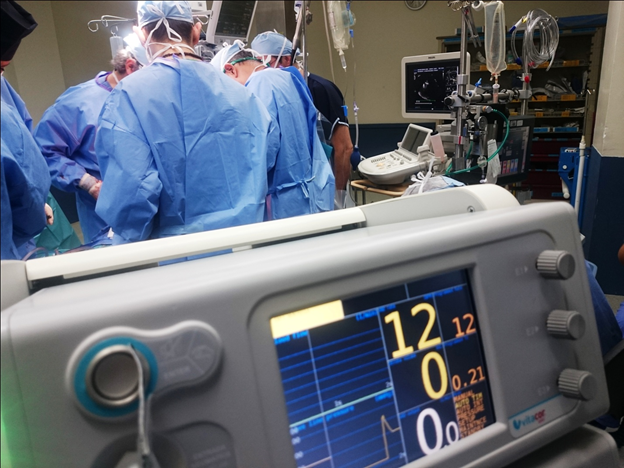
Monitor techs play a vital role in patient safety. They catch early signs of trouble through monitoring. Quick action can save lives and prevent harm. Their work supports doctors and nurses effectively. Accurate data helps guide medical decisions. Patients benefit from constant observation and care. Monitor techs contribute to better health outcomes. Their presence reassures patients and families. This role strengthens the entire healthcare system.
Credit: phlebotomycareertraining.com
Frequently Asked Questions
What Are The Main Duties Of A Monitor Tech?
A monitor tech observes patient vital signs and alerts medical staff about abnormalities. They ensure continuous cardiac and respiratory monitoring. Their role includes recording data and maintaining monitoring equipment for accuracy and safety.
How Does A Monitor Tech Support Healthcare Teams?
Monitor techs provide real-time patient data, aiding quick medical decisions. They communicate critical changes promptly to nurses and doctors. Their support enhances patient care and improves response times during emergencies.
What Skills Are Essential For A Monitor Tech?
Key skills include attention to detail, technical knowledge of monitoring devices, and strong communication. Monitor techs must multitask and stay calm under pressure. These skills ensure accurate monitoring and effective teamwork.
Where Do Monitor Techs Typically Work?
Monitor techs work primarily in hospitals, especially in ICUs, cardiac units, and emergency rooms. They may also work in outpatient clinics and specialized care centers where patient monitoring is critical.
Conclusion
A monitor tech plays a vital role in healthcare settings. They watch patients closely and check important health signals. Their work helps doctors make quick decisions. Monitor techs keep medical equipment ready and accurate. They work calmly in busy, sometimes stressful environments.
This job needs focus, care, and good teamwork. Understanding their role shows how hospitals keep patients safe. A monitor tech’s job matters every day.
As an Amazon Associate, I earn from qualifying purchases.

