
Have you ever wondered what makes certain machines pull in air or create a space with no air at all? That’s where a vacuum pump comes in.
If you’re curious about how this tool works and why it’s important in so many industries, you’re in the right place. By the end of this article, you’ll understand exactly what a vacuum pump does and how it might even impact your daily life.
Keep reading—you’ll find out things that could surprise you.

Credit: www.youtube.com
Vacuum Pump Basics
A vacuum pump is a tool that removes gas or air from a sealed space. It creates a vacuum, a place with very low pressure. This process helps in many areas like science, industry, and medicine.
Understanding the basics of vacuum pumps is important. It helps to know how they work and the types available. This knowledge makes it easier to choose the right pump for any task.
How Vacuum Pumps Work
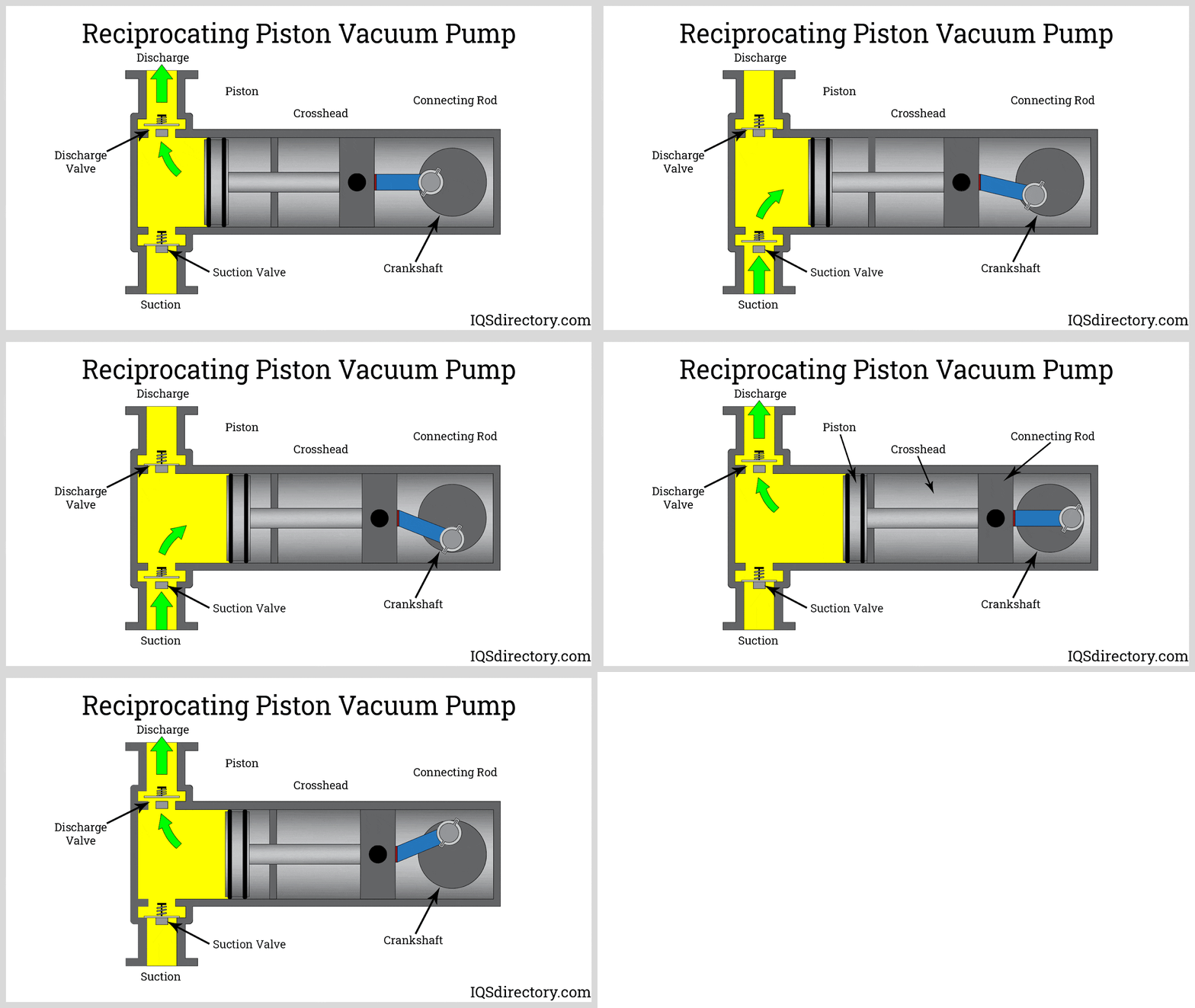
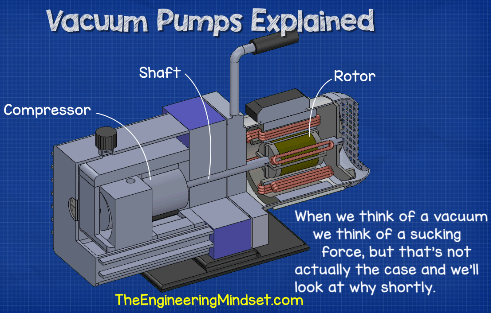
Vacuum pumps pull gas or air out of a space. This lowers the pressure inside that space. The pump uses a motor or manual force to suck out air molecules.
As the pump removes air, the pressure drops below normal. This creates a vacuum, which can be used for many tasks. The pump keeps working until the desired vacuum level is reached.
Types Of Vacuum Pumps
There are many types of vacuum pumps. Each type works differently and suits different needs. Some common types include rotary vane, diaphragm, and piston pumps.
Rotary vane pumps use rotating blades to move air. Diaphragm pumps use a flexible membrane. Piston pumps move air by pushing and pulling a piston.
Choosing the right type depends on the job. Factors include the vacuum level needed and the gas type.
Credit: www.iqsdirectory.com
Core Functions
Vacuum pumps perform several key tasks essential in many industries. Understanding these core functions helps explain their importance. They handle air and gas removal, create special environments, and keep pressure steady.
Each task plays a vital role in processes like manufacturing, scientific research, and healthcare. Let’s explore these core functions in detail.
Creating A Vacuum Environment
A vacuum pump removes air to form a space with very low pressure. This vacuum environment is necessary for many experiments and industrial tasks. It helps prevent contamination and allows precise control of reactions and processes.
Removing Air And Gases
Vacuum pumps pull out air and unwanted gases from sealed spaces. Removing these gases stops oxidation and moisture buildup. This removal improves product quality and extends equipment life in many applications.
Maintaining Pressure Levels
After creating a vacuum, pumps keep the pressure steady. Stable pressure ensures processes run smoothly and safely. It also helps maintain conditions needed for sensitive equipment and experiments.
Applications Across Industries
Vacuum pumps play a vital role in many industries. They create a vacuum by removing air and gases from a space. This process supports various tasks and improves product quality. The ability to control pressure makes vacuum pumps essential across different fields.
These machines help in production, testing, and maintenance. Their use ranges from small labs to large factories. Understanding their applications shows how important vacuum pumps are in daily operations.
Manufacturing And Production
Vacuum pumps remove air to keep environments clean. They help in packaging by sealing products tightly. In electronics, pumps prevent dust during assembly. They also assist in molding plastics and metals. This ensures products have no air bubbles or defects.
Medical And Laboratory Use
Hospitals use vacuum pumps for suction during surgeries. Labs use them to create controlled environments. They help in testing samples without contamination. Pumps also power devices like ventilators and sterilizers. This supports patient care and research accuracy.
Hvac And Refrigeration
Vacuum pumps remove moisture and air from cooling systems. This improves system efficiency and lifespan. They help fill refrigerant without air pockets. Pumps also aid in leak detection. Clean systems save energy and reduce repairs.
Automotive And Aerospace
In cars, vacuum pumps support brake systems and fuel injection. Aerospace uses them to test cabin pressure and engine parts. Pumps help in manufacturing lightweight components. They ensure safety and performance under extreme conditions.
Credit: theengineeringmindset.com
Key Benefits
Vacuum pumps play an important role in many industries. They help remove air and gases from a space, creating a vacuum. This process offers several key benefits that improve operations and safety. Understanding these benefits shows why vacuum pumps are widely used.
Improved Efficiency
Vacuum pumps speed up many processes by creating a controlled environment. They help machines run smoother and faster. This reduces the time needed to complete tasks. Less air or gas means fewer disruptions and better results. Efficiency gains lead to higher productivity and better output quality.
Enhanced Safety
Removing harmful gases or air lowers risks in the workplace. Vacuum pumps help keep environments clean and safe. They reduce chances of explosions or contamination. Workers can perform tasks with less exposure to dangerous substances. This makes the workplace healthier and safer for everyone.
Cost Savings
Using vacuum pumps saves money in many ways. They reduce energy use by improving machine performance. Fewer breakdowns occur because machines work under better conditions. Maintenance costs drop as equipment lasts longer. Overall, vacuum pumps help businesses lower operating expenses.
Common Challenges
Vacuum pumps play a vital role in many industries. They help create low-pressure environments for different tasks. Despite their usefulness, vacuum pumps face common challenges. These issues can affect their performance and lifespan.
Understanding these challenges helps users manage and use pumps better. It also reduces downtime and repair costs. Here are some common challenges vacuum pumps encounter.
Maintenance Needs
Vacuum pumps need regular care to work well. Dirt and dust can clog parts quickly. Oil levels must be checked often to keep the pump running smoothly. Filters need cleaning or replacement to avoid damage. Ignoring maintenance can lead to pump failure and costly repairs.
Energy Consumption
Vacuum pumps use a lot of energy. Running them for long hours raises electricity bills. Some pumps are less efficient, wasting power. Choosing the right pump size helps save energy. Efficient pumps reduce costs and environmental impact.
Handling Different Materials
Vacuum pumps deal with various gases and liquids. Some materials can harm pump parts or cause leaks. Sticky or corrosive substances require special pumps or parts. Using the wrong pump for certain materials shortens its life. Proper selection and handling protect the pump and improve results.
Choosing The Right Pump
Choosing the right vacuum pump is key to success in many tasks. A good pump matches the job’s needs perfectly. This match saves time, money, and effort. Understanding the choices helps you pick the best pump for your work.
Assessing Application Requirements
Start by knowing what the pump must do. Check the type of vacuum needed. Some jobs need low pressure, others high. Think about the materials involved. Are they dry, wet, or sticky? Identify the duration of use. Some pumps run nonstop, some only a short time. These details shape your choice.
Comparing Pump Types
There are many kinds of vacuum pumps. Rotary vane pumps are common and reliable. Diaphragm pumps handle corrosive gases well. Scroll pumps offer oil-free operation. Each type suits different tasks. Study their strengths and limits. Choose the one that fits your needs best.
Considering Size And Capacity
Size matters in vacuum pumps. A small pump may not handle large jobs. Big pumps might waste energy on small tasks. Look at the pump’s capacity rating. Match it to your work volume. Also, consider space for the pump’s installation. The right size keeps work smooth and efficient.
Frequently Asked Questions
What Is The Primary Function Of A Vacuum Pump?
A vacuum pump removes gas molecules from a sealed space. It creates a partial vacuum to lower air pressure and enable various industrial and scientific processes efficiently.
How Does A Vacuum Pump Work In Simple Terms?
Vacuum pumps work by mechanically drawing air or gases out of an enclosed area. This process reduces pressure inside, creating a vacuum for applications like packaging or lab experiments.
Where Are Vacuum Pumps Commonly Used?
Vacuum pumps are used in industries like manufacturing, medical, automotive, and research. They assist in processes such as vacuum packaging, suction, degassing, and scientific instrumentation.
What Are The Main Types Of Vacuum Pumps?
Common types include rotary vane, diaphragm, piston, and turbomolecular pumps. Each type suits specific vacuum levels and applications, varying by design and operational principle.
Conclusion
A vacuum pump removes air and gases from a space. It helps create a vacuum for many uses. Industries like medicine, science, and manufacturing rely on it. It improves processes by controlling pressure and air flow. Knowing how it works makes its value clear.
This simple tool plays a big role in daily life. Understanding its purpose helps appreciate many technologies. A vacuum pump is small but very important.
As an Amazon Associate, I earn from qualifying purchases.