
As an Amazon Associate, I earn from qualifying purchases.
Have you ever seen the “Service Tire Monitor System” warning light pop up on your dashboard and wondered what it really means? It’s easy to ignore, but understanding this message can save you from unexpected tire problems and costly repairs.
Your car is trying to tell you something important about your tires, and knowing what that is can keep you safe on the road. Keep reading to find out exactly what the Service Tire Monitor System means and what you should do when that warning appears.

Credit: www.wikihow.com
Service Tire Monitor System Basics
The Service Tire Monitor System Basics explain how this technology helps keep tires safe. This system checks tire pressure and temperature constantly. It alerts drivers about problems early. This can prevent accidents and save money on repairs.
Understanding how the system works makes it easier to maintain tires. It also helps improve car performance and fuel efficiency. Below, learn about the main parts of tire monitor systems.
Purpose Of Tire Monitor Systems
Tire monitor systems help drivers avoid flat tires and blowouts. They give real-time information about tire health. This helps maintain correct tire pressure. Proper pressure improves safety and fuel economy. The system also reduces tire wear and extends tire life.
How Tire Sensors Work
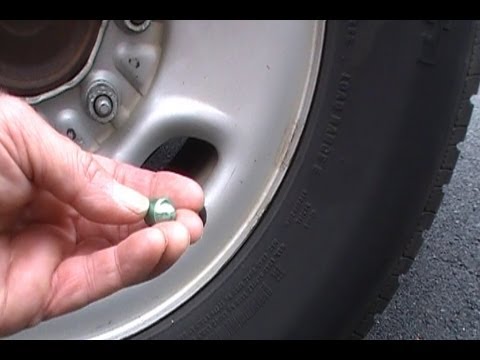
Tire sensors are small devices inside tires. They measure pressure and temperature constantly. The sensors send data to the car’s computer. If pressure is low or temperature is high, the system alerts the driver. This lets the driver fix problems before they get worse.
Types Of Tire Monitoring Systems
There are two main types of tire monitoring systems. Direct systems use sensors inside each tire to send data. Indirect systems use the car’s ABS sensors to check tire speed differences. Direct systems are more accurate. Indirect systems are cheaper and easier to install.
Credit: www.youtube.com
Common Tire Monitor Alerts
Tire monitor systems alert drivers to important tire issues. These alerts help keep tires safe and improve car performance. Knowing common alerts can prevent accidents and save money.
Low Tire Pressure Warnings
This alert signals that one or more tires have low air pressure. Low pressure reduces fuel efficiency and tire life. It can also make driving dangerous. Check tires and add air as soon as possible.
Sensor Malfunction Indicators
This warning means the tire pressure sensor is not working right. It might be broken or disconnected. The system cannot read tire pressure correctly. Have a mechanic check and fix the sensor quickly.
Battery Life Notifications
Some tire sensors have batteries that run out over time. This alert shows the battery is low or dead. A weak battery stops the sensor from sending data. Replace the sensor battery to keep the system active.
Reasons For Service Tire Monitor Messages
The “Service Tire Monitor” message on your dashboard signals a problem with the tire pressure monitoring system (TPMS). This system keeps track of your tire pressure and alerts you if it drops too low. Several reasons can cause this warning to appear. Understanding these reasons helps you fix the issue quickly and keep your vehicle safe.
Sensor Damage Or Failure
Each tire has a sensor that monitors air pressure. These sensors can get damaged by road debris or harsh weather. Sometimes, sensors fail due to old age or corrosion. A damaged or failed sensor cannot send proper signals. This triggers the service tire monitor message on your dashboard.
Battery Replacement Needs
TPMS sensors run on small batteries. These batteries last several years but do run out eventually. When a sensor battery dies, the sensor stops working. The system then shows a service message. Replacing the sensor battery or the entire sensor may be necessary.
Calibration And Reset Issues
After tire rotation, replacement, or pressure adjustment, TPMS needs calibration. Without proper calibration, the system may give false warnings. Sometimes, the system requires a reset to clear error codes. Failing to calibrate or reset the system causes the service tire monitor message to appear.
Steps To Fix Service Tire Monitor Messages
Service tire monitor messages warn about tire problems. Fixing these messages keeps you safe on the road. Follow clear steps to solve these alerts quickly. Understanding these steps saves time and effort.
Checking Tire Pressure Manually
Start by checking tire pressure with a gauge. Compare the reading to the recommended pressure on the door sticker. Inflate or deflate tires to reach the correct pressure. Proper pressure avoids false warnings from the system.
Resetting The Tire Monitor System
After adjusting tire pressure, reset the tire monitor system. This step allows the system to relearn the correct tire pressure. Find the reset button in your car’s menu or manual. Press and hold it until the light turns off.
Replacing Faulty Sensors
Faulty sensors cause constant service messages. Check sensors for damage or wear. Replace any broken sensors with new ones. Visit a mechanic if unsure about sensor replacement. New sensors ensure the system works correctly.
Benefits Of A Properly Functioning Tire Monitor
A properly functioning tire monitor system offers many benefits. It helps keep you safe by giving real-time updates on your tire pressure. This system also helps save money by improving fuel use and extending tire life. Understanding these benefits can show why tire monitors are important for every driver.
Here are some key advantages of using a tire monitor system that works well.
Improved Safety On The Road
Tire monitors warn you about low or high tire pressure. Proper tire pressure keeps your car stable and easy to control. It reduces the risk of accidents caused by tire blowouts. You get alerts before problems become dangerous. This early warning helps avoid roadside emergencies.
Enhanced Fuel Efficiency
Correct tire pressure lowers rolling resistance. This means your engine does not work as hard. Your car uses less fuel, saving money at the pump. Regularly checking tires with a monitor keeps pressure in the right range. Better fuel efficiency also reduces harmful emissions.
Extended Tire Lifespan
Uneven or low pressure causes tires to wear out fast. A tire monitor helps keep pressure steady and balanced. This prevents uneven wear and damage to tires. You get more miles from each tire before needing replacements. It also reduces the chance of sudden tire failure.
Credit: www.reddit.com
Maintenance Tips For Tire Monitor Systems
Maintaining your tire monitor system helps keep it accurate and reliable. Regular care extends the life of sensors and ensures safety on the road. Simple maintenance steps prevent costly repairs and unexpected failures.
Regular Sensor Inspections
Check tire sensors for damage or dirt regularly. Clean sensors gently with a soft cloth to remove grime. Look for cracks, corrosion, or loose parts. Early detection of sensor issues avoids false alerts. Inspect sensors before long trips or harsh weather.
Battery Care And Replacement
Sensor batteries power the tire monitor system. Low battery means weak signals or no data. Replace batteries based on the manufacturer’s schedule. Use the correct battery type for your sensors. Test battery life during routine inspections for best performance.
Software Updates And Diagnostics
Keep your tire monitor system’s software up to date. Updates fix bugs and improve sensor communication. Run diagnostic tests to check system health. Use the vehicle’s onboard tools or visit a service center. Regular updates help prevent errors and keep data accurate.
Frequently Asked Questions
What Does Service Tire Monitor System Mean?
Service Tire Monitor System indicates a tire pressure monitoring issue. It signals the system needs inspection or maintenance to ensure accurate tire pressure readings.
How Does A Tire Monitor System Work?
It uses sensors inside tires to track pressure and temperature. The system sends alerts to the driver if values drop or rise beyond safe limits.
Why Is Tire Monitoring Important For Safety?
Proper tire pressure improves vehicle control, fuel efficiency, and tire life. Monitoring detects leaks early, preventing blowouts and accidents.
What Triggers The Service Tire Monitor System Warning?
Warnings appear due to sensor malfunctions, low battery, or incorrect tire pressure. It advises checking the system or tire condition promptly.
Conclusion
A service tire monitor system helps keep tires safe and efficient. It alerts drivers about tire pressure or temperature issues early. This can prevent accidents and save money on repairs. Using this system means better fuel use and longer tire life.
It’s a smart tool for anyone who drives regularly. Understanding how it works helps you stay prepared on the road. Tire safety matters, and this system makes it easier to manage. Simple, useful, and helpful for every vehicle owner.
As an Amazon Associate, I earn from qualifying purchases.

