
Have you ever come across the term “PA” when looking at speakers and wondered what it actually means? If you’re curious about how PA speakers work or why they’re important for your sound setup, you’re in the right place.
Understanding what PA stands for can change the way you choose and use speakers, whether for a small event or a big concert. Keep reading to discover the simple truth behind PA speakers and how this knowledge can improve your audio experience.
What Pa Means
PA is a common term used with speakers. It often appears in music and event setups. But what does PA really mean? Understanding PA helps you choose the right sound system. It shows how speakers work in public spaces. This section explains the meaning of PA clearly.
Origin Of Pa
PA stands for Public Address. It started in the early 1900s. The goal was to speak to large groups of people. Early systems used microphones and loudspeakers. They helped spread voices in big areas. Over time, technology improved the PA systems. Now, they include mixers, amplifiers, and advanced speakers.
Common Uses
PA systems are used in many places. Schools use PA to make announcements. Concerts rely on PA for live music sound. Sports events use PA to share information with fans. Businesses use PA to communicate in large buildings. Even houses can have small PA setups for parties. The main idea is to reach many listeners clearly.

Credit: electromarket.co.uk
Components Of Pa Systems
PA systems have several important parts. Each part works together to deliver clear sound. Understanding these parts helps you use PA systems better.
These parts include microphones, mixers, amplifiers, and speakers. Each has its own role in making sound loud and clear.
Microphones
Microphones capture sound from voices or instruments. They change sound waves into electrical signals. Good microphones pick up sound clearly without noise.
Mixers
Mixers combine sounds from different microphones and instruments. They allow control of volume and tone for each input. Mixers help balance all sounds before sending them out.
Amplifiers
Amplifiers make the sound signals stronger. They increase the power of sound to reach large areas. Without amplifiers, the sound would be too quiet to hear.
Speakers
Speakers convert electrical signals back into sound waves. They send the sound into the room or area. Good speakers produce clear and loud sound without distortion.
Types Of Pa Speakers
PA speakers come in different types to fit various audio needs. Each type offers unique features and benefits. Understanding these types helps you pick the right speaker for your event or space.
Passive Speakers
Passive speakers need an external amplifier to work. They do not have built-in power. These speakers are lighter and often cost less. You can connect many passive speakers to one amplifier. This makes them good for large setups. They require more cables and equipment.
Active Speakers
Active speakers have built-in amplifiers. They need only a power source and audio input. This makes setup faster and easier. Many active speakers include extra features like volume control and equalizers. They are popular for small to medium events. Active speakers are usually heavier due to the amplifier inside.
Portable Options
Portable PA speakers are easy to carry and set up. They often have built-in batteries. Perfect for outdoor events or small gatherings. Many portable speakers are active with wireless options. Portability adds convenience but may limit power and range. These speakers suit mobile DJs and street performers well.
Choosing The Right Pa Speaker
Choosing the right PA speaker makes a big difference in sound quality and ease of use. It depends on what you need the speaker for. Different situations need different features. Knowing what to check helps you pick the best one for your needs.
Power And Wattage
Power shows how loud the speaker can get. Wattage tells you the strength of the speaker’s output. Higher wattage means louder sound and clearer quality. For small rooms, low wattage is enough. Big spaces need more power to reach everyone.
Size And Portability
Size affects how easy the speaker is to move. Small speakers are light and easy to carry. Large speakers give stronger sound but are heavy. Think about where you will use it most. Choose a size that fits your needs and travel plans.
Sound Quality
Good sound quality means clear voices and rich music. Check if the speaker handles bass and treble well. Avoid speakers that distort sound at high volume. Test the speaker before buying if possible. Clear sound makes your message or music better.
Connectivity
Connectivity options let you connect devices easily. Look for speakers with Bluetooth, USB, or AUX inputs. Wireless connections give more freedom to move around. Multiple input options let you use different devices. Choose a speaker that matches your tech needs.
Setting Up A Pa System
Setting up a PA system is key to clear sound in any event. It helps voices and music reach everyone in the room. Proper setup avoids feedback and poor sound quality. Follow basic steps to ensure your PA system works well.
Speaker Placement
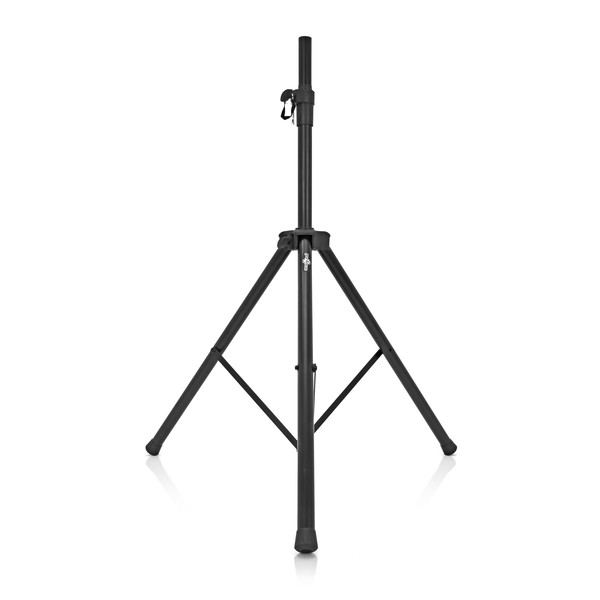
Place speakers at ear level for the best sound. Avoid pointing them directly at walls to reduce echoes. Keep speakers away from corners to stop sound distortion. Aim speakers toward the audience for clear audio. Use stands or mounts for stability and height.
Wiring Tips
Use good quality cables for clear sound. Check all connections are tight and secure. Keep wires organized to avoid tripping or damage. Match the cable types to your equipment needs. Test each cable before the event to avoid issues.
Sound Testing
Test your system before the event starts. Play different sounds to check clarity and volume. Walk around the room to hear how sound spreads. Adjust speaker angles and volume for even coverage. Fix any feedback or noise problems early.
Credit: www.gear4music.com
Common Pa System Uses
PA systems are essential tools for amplifying sound. They help people hear clearly in many places and situations. These systems work by capturing sound and projecting it through speakers. Their uses vary across different settings.
Many events and activities depend on PA systems. They make sure voices and music reach the entire audience. Understanding common uses helps you see how versatile PA systems are.
Live Music
PA systems are vital for live music shows. They boost instruments and singers’ voices. This ensures everyone in the crowd hears every note. Bands and musicians rely on clear sound to engage fans. Without PA systems, large venues would be very quiet.
Public Speaking
Speakers use PA systems to reach large audiences. These systems make voices louder and clearer. Public speakers can connect with listeners easily. This is crucial in schools, churches, and public gatherings. Good sound helps people understand the message better.
Events And Conferences
Events and conferences use PA systems for smooth communication. They help presenters share information with many people. Microphones and speakers work together to fill rooms with sound. This avoids misunderstandings and keeps events organized. Clear audio is key for professional settings.
Outdoor Activities
Outdoor activities often need PA systems to cover wide spaces. They support announcements, music, and instructions in parks or fields. These systems handle noise from wind and crowds. Organizers use them to keep participants informed and safe. PA systems make outdoor events more enjoyable.
Maintaining Pa Speakers
Maintaining PA speakers is important for clear sound and long life. Dust, dirt, and moisture can harm speaker parts. Taking care of them keeps your audio strong and reliable. Simple steps can protect your investment and avoid costly repairs.
Regular Cleaning
Clean your PA speakers often to remove dust and grime. Use a soft cloth or brush to gently wipe the surface. Avoid harsh chemicals that can damage the speaker material. Keep speaker grills clear to prevent sound blockage. Regular cleaning helps maintain sound quality and speaker health.
Storage Advice
Store PA speakers in a dry, cool place away from sunlight. Avoid damp areas that cause moisture damage. Use speaker covers or cases to protect from dust and scratches. Keep cables organized and avoid bending them sharply. Proper storage preserves speaker parts and ensures they work well.
Troubleshooting
Check connections if your PA speakers have sound issues. Loose cables can cause crackling or no sound. Test speakers with different devices to find the problem. Listen for unusual noises like buzzing or rattling. Early trouble signs help fix problems before they get worse.
Latest Trends In Pa Technology
PA technology is evolving fast. New features make speakers easier to use and more powerful. These trends help both beginners and experts in sound systems. Let’s explore the latest in PA technology.
Wireless Systems
Wireless PA systems are very popular now. They remove the need for cables and wires. This makes setup quicker and less messy. People can move freely without worrying about cords. Wireless microphones and speakers connect easily to devices. This trend improves convenience in live events and presentations.
Smart Features
Smart PA speakers come with useful tools. Some have Bluetooth, allowing direct connection to phones or tablets. Others include apps for sound control and adjustments. These features help users change settings quickly. Automatic sound tuning adjusts volume for the environment. Smart features save time and improve sound quality.
Compact Designs
Compact PA speakers are small but powerful. They fit in tight spaces and are easy to carry. These designs suit outdoor events, small rooms, or travel. Despite their size, they deliver clear and loud sound. Compact models help users take PA systems anywhere.

Credit: www.amazon.com
Frequently Asked Questions
What Does Pa Mean In Speaker Systems?
PA stands for Public Address. It refers to a sound system used to amplify voice or music in public spaces. PA speakers deliver clear, loud audio for events, announcements, or performances.
How Do Pa Speakers Differ From Regular Speakers?
PA speakers are designed for high volume and clarity in large venues. They handle more power and project sound over longer distances than regular home speakers.
Are Pa Speakers Suitable For Outdoor Use?
Yes, PA speakers are often built to withstand outdoor conditions. They provide powerful, clear sound, making them ideal for outdoor events and gatherings.
What Components Make Up A Pa Speaker System?
A typical PA system includes microphones, amplifiers, mixers, and speakers. Together, they amplify and control sound for live or recorded audio playback.
Conclusion
PA stands for Public Address in speakers. It means the system used to make sound loud for many people. PA speakers help in events, concerts, and public places. They are built to deliver clear sound to large areas. Knowing what PA means helps you choose the right speaker.
Whether for small or big gatherings, PA speakers work well. They make sure everyone can hear clearly. Understanding PA speakers is useful for good sound quality. Now you know why PA speakers matter.
As an Amazon Associate, I earn from qualifying purchases.

