
Are you curious about what the Service Tire Monitor System really does for your vehicle? Understanding this system can save you time, money, and even keep you safer on the road.
Imagine knowing exactly when your tires need attention before a problem arises. This article will break down how the Service Tire Monitor System works, why it matters to you, and how it can make your driving experience smoother and worry-free.
Keep reading to uncover the simple but powerful benefits this system offers every time you hit the road.
Credit: www.reddit.com
Service Tire Monitor System Basics
The Service Tire Monitor System Basics help you understand how this system works. It keeps track of your tire pressure and alerts you if there is a problem. This system improves safety and saves money by preventing tire damage.
Knowing the basics makes it easier to maintain your vehicle. It also helps you react quickly to any tire issues.
Purpose Of The System
The main goal is to monitor tire pressure constantly. It warns the driver when pressure drops below safe levels. This prevents accidents caused by flat or underinflated tires. It also helps improve fuel efficiency by keeping tires properly inflated. The system reduces tire wear and extends tire life.
Key Components
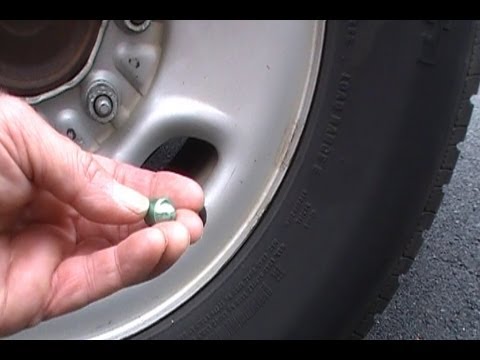
The system has several important parts. Sensors are attached inside each tire to measure pressure. These sensors send data to a central control unit. The control unit processes this data and alerts the driver. Alerts appear on the dashboard as lights or messages. Batteries power the sensors and need to be checked regularly.
Credit: www.youtube.com
How The System Works
The Service Tire Monitor System helps keep your tires safe and efficient. It watches tire pressure and temperature. This system works by using small devices inside each tire. These devices send important information to your vehicle. The process happens quickly and helps avoid tire problems early.
Understanding how this system works can help you trust it more. Let’s break down the key parts of the system.
Sensor Functionality
Each tire has a tiny sensor attached inside. These sensors measure pressure and temperature constantly. They use special tools to detect small changes. Sensors work without needing much power. They keep checking data even while the car moves. This helps catch problems before they become serious.
Data Transmission
The sensors send data wirelessly to the vehicle’s control unit. This happens through radio waves. The system uses a secure way to send data fast. The control unit collects information from all tires. It compares the readings to safe levels. This happens many times every minute. The quick data flow ensures real-time updates.
Alert Mechanism
The system warns the driver if any tire has an issue. It shows alerts on the dashboard screen or lights. The alerts tell you if pressure is low or temperature is high. You get the message early to avoid accidents. This makes driving safer and helps save fuel. The alert system is clear and easy to understand.
Common Issues Triggering Service Alerts
The Service Tire Monitor System (TMS) alerts drivers about issues with their tires. These alerts help keep the vehicle safe and running smoothly. Understanding common problems that trigger these alerts is important for timely repairs.
Many alerts come from simple issues but need quick attention. Ignoring these warnings can lead to tire damage or unsafe driving conditions. Below are the main reasons the Service Tire Monitor System might show an alert.
Low Tire Pressure
Low tire pressure is the most common cause of alerts. Tires lose air over time or after hitting rough roads. Under-inflated tires affect car handling and fuel efficiency. The system detects this drop and warns the driver. Checking tire pressure regularly helps avoid this problem.
Sensor Malfunction
Each tire has a sensor to monitor pressure. Sometimes sensors fail or send wrong data. Dirt, damage, or wear can cause sensor problems. A malfunctioning sensor triggers false alerts or no alerts at all. Repairing or replacing faulty sensors keeps the system reliable.
Battery Problems
Sensors run on small batteries inside the tires. Over time, these batteries lose power. Low battery levels cause the system to show alerts. Battery replacement is needed to keep sensors active. This maintenance ensures continuous tire monitoring without interruptions.

Credit: www.youtube.com
Steps To Service The Tire Monitor System
Servicing the tire monitor system keeps your vehicle safe and efficient. It helps detect low tire pressure early. This section explains simple steps to service this system. Follow these steps to maintain accurate tire readings and avoid issues.
Diagnosing The Problem
Start by checking the dashboard warning light. If it stays on, the system may have an issue. Use a scan tool to read error codes from the car’s computer. Inspect each tire for damage or leaks. Check sensor batteries if the system uses wireless sensors.
Resetting The System
Reset the tire monitor system after fixing tire pressure or sensor issues. Locate the reset button in your vehicle, usually under the steering wheel or in the glove box. Press and hold the button until the light blinks. Drive the car for a few minutes to let the system recalibrate.
Replacing Sensors
Replace sensors if they are damaged or the battery is dead. Remove the tire from the wheel to access the sensor. Unscrew or unclip the old sensor carefully. Install the new sensor following the manufacturer’s instructions. Reinstall the tire and reset the system to recognize the new sensor.
Benefits Of Maintaining The System
Maintaining the Service Tire Monitor System is important for many reasons. It helps keep your vehicle safe and saves money. Proper care of this system ensures it works correctly. This leads to better vehicle performance and fewer problems on the road.
Improved Safety
A well-maintained tire monitor system alerts you to low tire pressure. This warning helps prevent accidents caused by tire failure. Proper tire pressure keeps your vehicle stable and easier to control. It reduces the risk of sudden blowouts and improves braking.
Fuel Efficiency
Correct tire pressure lowers rolling resistance. This means your engine uses less fuel to move the vehicle. A maintained system helps you keep tires at the right pressure. Saving fuel also reduces emissions, helping the environment.
Extended Tire Life
Maintaining the system helps avoid uneven tire wear. Proper tire pressure spreads the load evenly across the tire surface. This prevents early tire damage and saves money on replacements. Well-maintained tires last longer and perform better.
Tips To Prevent Service Tire Monitor Issues
Preventing service tire monitor issues keeps your vehicle safe and running smoothly. Simple actions can stop errors and false alerts from the system. Regular care helps the tire monitor work as it should.
Regular Tire Checks
Check tire pressure often. Use a reliable gauge to measure pressure when tires are cold. Keep the pressure at the level recommended by your car’s manual. Inspect tires for cuts, cracks, or bulges. Proper tire care helps the monitor detect real problems.
System Calibration
Calibrate the tire monitor system after tire changes or rotations. Calibration resets sensors to the correct settings. Follow the vehicle’s instructions or ask a mechanic. Accurate calibration prevents warning lights from turning on wrongly.
Professional Inspections
Have a mechanic inspect your tire monitor system regularly. Professionals can find sensor damage or battery issues. Early fixes avoid costly repairs later. Trust experts to keep your system reliable and safe.
Frequently Asked Questions
What Does A Service Tire Monitor System Do?
A Service Tire Monitor System tracks tire pressure and temperature in real-time. It alerts drivers about tire issues, improving safety and fuel efficiency. This system helps prevent tire blowouts and uneven wear, extending tire life and reducing maintenance costs.
How Does A Tire Monitor System Improve Vehicle Safety?
It continuously monitors tire conditions and alerts drivers to low pressure or overheating. Early warnings prevent accidents caused by tire failures. This proactive approach keeps vehicles safer on the road and enhances overall driving confidence.
When Should I Service My Tire Monitor System?
Service is recommended whenever the system shows warning signs or after tire replacements. Regular checks ensure sensors work correctly and data remains accurate. Timely maintenance prevents false alerts and keeps your monitoring system reliable.
Can A Tire Monitor System Save Money On Fuel?
Yes, maintaining proper tire pressure with this system improves fuel efficiency. Underinflated tires increase rolling resistance, consuming more fuel. By alerting you to pressure drops, it helps optimize fuel consumption and save money.
Conclusion
A Service Tire Monitor System helps keep your tires safe and working well. It alerts you about low air pressure or other tire problems. This system can prevent accidents and save money on repairs. Knowing how it works makes driving easier and safer.
Regular checks with this system protect your vehicle and passengers. It’s a small tool that gives big peace of mind on the road. Always pay attention to its warnings for smooth, safe trips.
As an Amazon Associate, I earn from qualifying purchases.

