Many people see the H and C symbols in their car and wonder what they mean. These letters are simple, but they are more important than many drivers realize. Understanding them can protect your car’s engine and keep you comfortable during any drive.
Most cars today use symbols and letters instead of words to make things easier for drivers around the world. But sometimes, these simple symbols can be confusing, especially for new drivers or people who do not speak English as their first language.
Let’s explore what these letters mean, why they matter, and how you should use them.
What Do H And C Mean On A Car?
You will usually see the H and C symbols near two places in your car:
- The temperature gauge on your dashboard
- The air conditioning or climate control knobs
H stands for Hot, and C stands for Cold. These letters help you understand or control temperature in your car.
The Temperature Gauge: Protecting Your Engine
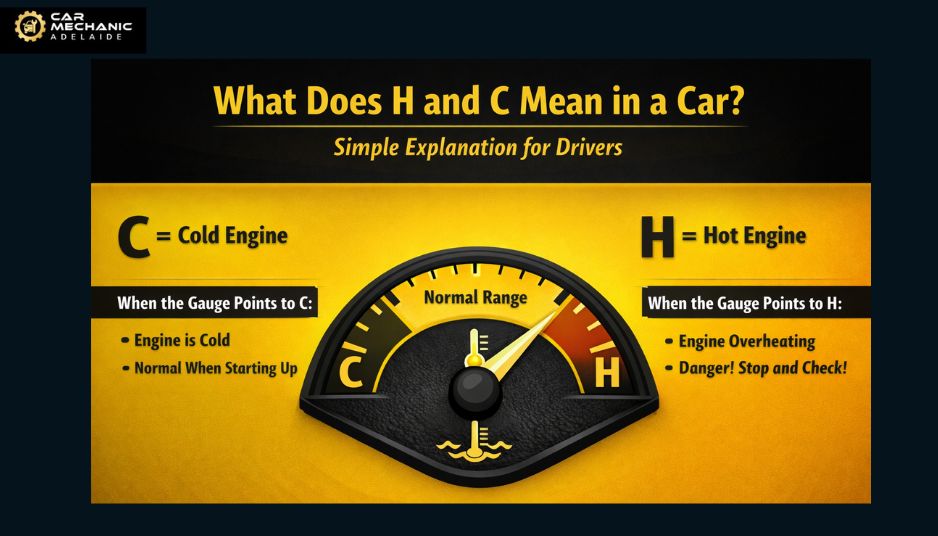
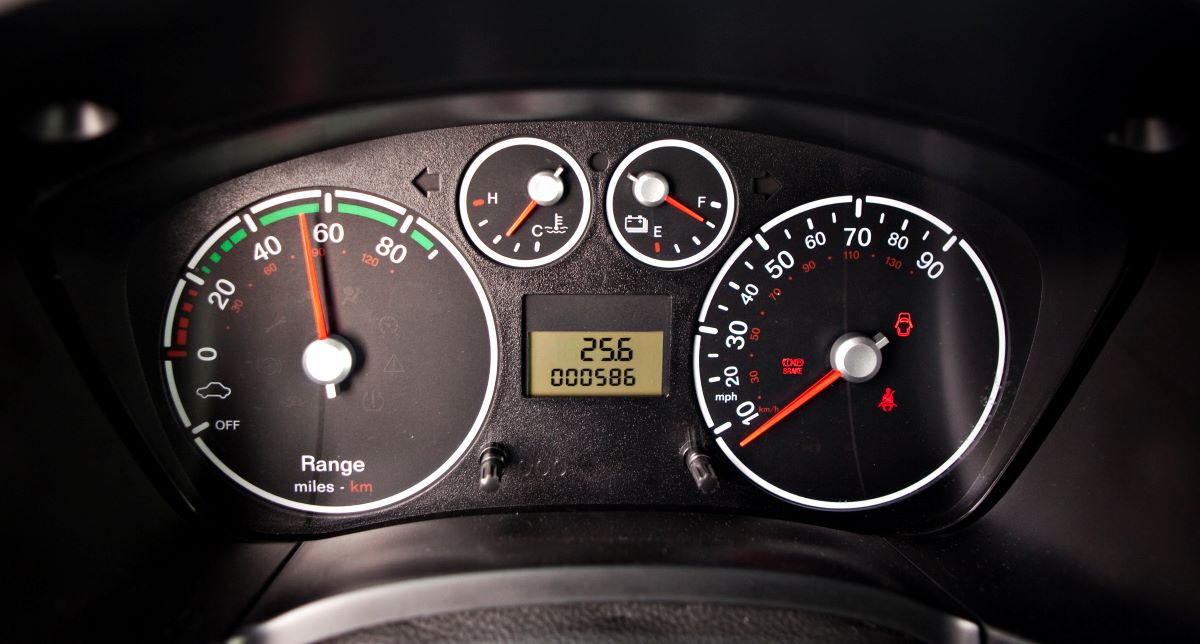
One of the most important places you will see H and C is on your car’s engine temperature gauge. This gauge is usually a small dial on the dashboard with a needle that moves between H and C.
- C (Cold): The left side, often marked with a blue line. This means your engine is cool or just started.
- H (Hot): The right side, often marked with a red line. This means your engine is running too hot.
When you start your car, the needle is usually closer to C. As you drive, the needle should move to the center. If it points all the way to H, your engine may be overheating, which is dangerous.
Why Engine Temperature Matters
If your engine gets too hot, it can suffer serious damage. For example, the metal parts can warp, or the coolant can boil. Fixing this can cost a lot of money.
On the other hand, if the needle stays near C after the car has warmed up, it might mean there is a problem with the thermostat or the engine is not warming up properly. This can make your car use more fuel and produce more pollution.
What To Do If The Gauge Moves To H
If you see the needle moving toward H while driving:
- Turn off the air conditioning to reduce engine load.
- Turn on the heater at full heat. This can help draw heat away from the engine.
- Pull over safely and turn off the engine as soon as possible.
- Do not open the radiator cap until the engine is cool. Hot coolant can cause burns.
Ignoring the H warning can lead to engine failure. It’s better to stop and check than risk a bigger problem.

Credit: www.carrepairadelaidesa.com.au
H And C On Climate Control: Comfort Inside Your Car
The other place you’ll see H and C is on the climate control or air conditioning system.
- C (Cold): When you turn the dial or press the button toward C, the air coming out will be cooler.
- H (Hot): When you move the control toward H, the air gets warmer.
Most cars use a blue color for cold and a red color for hot, making it easy to remember.
How Climate Controls Work
Modern cars may have simple dials, digital buttons, or even touch screens. But the idea is always the same: H for hot air, C for cold air.
If you want to stay cool in summer, set the dial toward C and turn on the A/C. In winter, move the dial toward H to use the heater.
Some cars have automatic climate systems that let you set the exact temperature. Even then, you might see small H and C symbols to help adjust the temperature quickly.
Common Mistakes With H And C
Many beginners make simple mistakes with these controls:
- They turn the knob to H in summer, making the car hotter.
- They leave it on C in winter, so the heater does not work well.
- They do not wait for the engine to warm up before using the heater.
Remember, the heater uses engine heat, so it works best after the engine is warm. The A/C, on the other hand, works as soon as you start the car.
H And C In Other Car Features
Some newer cars use H and C in other places too:
- Seat warmers: You might see H and C to adjust the temperature of your seat.
- Steering wheel heaters: Some luxury cars let you set the temperature using these symbols.
Always check your car’s manual if you see a new symbol. Car makers sometimes change designs, but the meaning is usually the same.
Credit: www.carmechanicadelaide.com.au
Real-world Examples
Imagine you are driving in the summer and your air feels warm even though you set the dial to C. This could mean:
- The air conditioning system has a problem.
- The temperature control is not set correctly.
Or, if you drive in winter and the air stays cold after many minutes, your heater may not be working, or the engine is not warming up.
If the temperature gauge needle moves quickly from C to H and stays there, stop your car and check the engine. Quick changes like this are a warning sign.
How To Read The Temperature Gauge Correctly
Some drivers are not sure where the needle should be during normal driving. Here is a simple guide:
| Needle Position | What It Means | What To Do |
|---|---|---|
| Near C (blue) | Engine is cold | Let engine warm up before driving hard |
| Middle | Normal temperature | Everything is fine |
| Near H (red) | Engine is hot | Stop car, check engine |
Credit: www.motorbiscuit.com
Differences Between H/c On Gauge Vs. Climate Control
It’s easy to confuse the H and C on your dashboard with the ones on your air controls. Here’s a simple comparison:
| Location | H and C Meaning | Effect |
|---|---|---|
| Temperature Gauge | Engine temperature (Hot/Cold) | Shows if engine is overheating or cold |
| Climate Control | Cabin air temperature (Hot/Cold) | Makes air inside car warmer or cooler |
Why These Symbols Are Universal
Car makers use H and C because they are easy to understand, no matter your language. This helps drivers from different countries use the same cars without confusion.
In fact, these symbols are part of international vehicle standards. Even electric cars use these letters to show battery temperature or cabin comfort. For more on automotive symbols, you can check the official Wikipedia resource.
Two Non-obvious Insights
- Fast temperature changes are a red flag. If your gauge jumps from C to H in seconds, it usually means a serious cooling problem, not just hot weather.
- Climate control ‘H’ and ‘C’ do not change engine temperature. Many new drivers think turning the heater to ‘C’ will cool the engine. It only affects the air inside the car, not the engine’s real temperature.
Frequently Asked Questions
What Should I Do If My Temperature Gauge Stays On C?
If the needle never moves from C, your engine may not be warming up. This can cause poor fuel efficiency and extra pollution. Check your thermostat or ask a mechanic to inspect your car.
Why Does My Heater Blow Cold Air Even On H?
If your heater blows cold air when set to H, the engine might be cold, the coolant level could be low, or there may be a problem with the heater core.
Can I Drive If The Gauge Is Near H?
It’s not safe to drive with the needle near H. Pull over, turn off the engine, and let it cool. Driving with an overheated engine can cause expensive damage.
Does The C Setting On Climate Control Cool The Engine?
No, the C on climate control only changes the air inside your car. It does not cool the engine. For engine cooling, check your radiator and coolant.
Are H And C Symbols Used In All Cars?
Almost all cars use some form of H and C for temperature. The design may change, but the meaning is nearly always the same.
Understanding what H and C mean on a car is simple, but knowing how and when to react can save you from trouble and keep your drives safe and comfortable. Take a moment to check these symbols in — and you will drive with more confidence every day.
As an Amazon Associate, I earn from qualifying purchases.