
Are you sure your work environment is safe from hidden dangers in the air? A 4 gas monitor is a powerful tool designed to protect you by detecting harmful gases before they become a threat.
But what exactly does this device measure, and why is it so important for your safety? Understanding the gases a 4 gas monitor detects can make all the difference in keeping you and your team safe. Keep reading to discover which gases you need to watch out for and how this simple device can be your first line of defense.
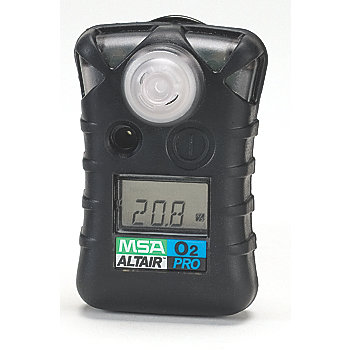
Credit: www.g-locbrakes.com
Key Gases Detected By 4 Gas Monitors
4 gas monitors detect four critical gases to ensure safety in many environments. These devices help protect workers from harmful gas exposure. Each gas monitored plays a vital role in maintaining a safe workspace. Understanding what these gases are is key to using 4 gas monitors effectively.
Oxygen Levels
Oxygen is essential for breathing. The monitor checks if oxygen levels are too low or too high. Low oxygen can cause dizziness and fainting. High oxygen levels increase fire risk. Keeping oxygen within safe limits is crucial.
Combustible Gas Detection
Combustible gases can cause fires or explosions. The monitor senses gases like methane or propane. It alerts users before gas builds up to dangerous levels. Early detection prevents accidents and saves lives.
Carbon Monoxide Monitoring
Carbon monoxide is a colorless, odorless poison. It can cause headaches, nausea, or death. The 4 gas monitor detects its presence quickly. This helps avoid dangerous exposure in workplaces.
Hydrogen Sulfide Detection
Hydrogen sulfide smells like rotten eggs. It is toxic and can cause breathing problems. The monitor warns users if this gas is present. Detecting hydrogen sulfide helps keep workers safe in many industries.
Why Monitoring Oxygen Is Crucial
Monitoring oxygen levels is essential for safety in many workplaces. Oxygen is vital for breathing and life. Both too little and too much oxygen can cause serious health risks. A 4 gas monitor helps detect these dangerous changes quickly. Understanding why oxygen must be watched closely helps protect workers and prevent accidents.
Risks Of Oxygen Deficiency
Low oxygen levels can cause dizziness and confusion. Breathing becomes hard as oxygen drops. Workers may faint or lose consciousness fast. In extreme cases, lack of oxygen can lead to death. Confined spaces often have lower oxygen, increasing danger. Early detection with a 4 gas monitor saves lives.
Dangers Of Oxygen Enrichment
Oxygen levels above normal also pose risks. High oxygen makes fires start easily and burn faster. Small sparks can trigger big fires in oxygen-rich air. Equipment and materials may ignite with little warning. Monitoring helps prevent fires by alerting to oxygen enrichment. Safety depends on keeping oxygen at safe levels.
Detecting Combustible Gases
A 4 gas monitor helps find dangerous combustible gases in the air. These gases can catch fire or cause explosions. The monitor senses their presence early. This protects workers and saves lives.
The device checks for different types of gases that burn easily. It gives a warning before gas levels get too high. This allows quick action to avoid accidents and damage.
Types Of Combustible Gases
Common combustible gases include methane, propane, and hydrogen. Methane is found in natural gas and coal mines. Propane is used in heating and cooking. Hydrogen is used in many industries and can leak easily.
Other gases like butane and acetylene also burn quickly. These gases are invisible and have no strong smell. A gas monitor is the only way to detect them safely.
Explosion And Fire Hazards
When combustible gases build up, they can cause fires or explosions. Even small amounts in the air can be dangerous. Sparks or flames can ignite these gases suddenly.
A 4 gas monitor warns before gas reaches unsafe levels. This helps stop fires and explosions. Early detection saves lives and reduces property damage.

Credit: www.hwsensor.com
Carbon Monoxide Hazards
Carbon monoxide (CO) is a silent threat. It is a colorless, odorless gas. People cannot see or smell it, but it is very dangerous. A 4 gas monitor detects CO to protect lives. Knowing the hazards of CO helps prevent accidents and health issues.
Sources Of Co Exposure
CO comes from burning fuels without enough oxygen. Common sources include car engines, gas stoves, and heaters. Faulty or blocked chimneys also release CO indoors. Fireplaces, generators, and gas water heaters can emit CO. Poor ventilation increases the risk of CO buildup.
Health Effects Of Co
Breathing CO reduces oxygen in the blood. Early signs include headache, dizziness, and nausea. High CO levels cause confusion, weakness, and loss of consciousness. Prolonged exposure can lead to brain damage or death. Children, elderly, and pets are especially at risk.
Hydrogen Sulfide Risks
Hydrogen sulfide (H2S) is a dangerous gas often detected by 4 gas monitors. It smells like rotten eggs and can be deadly. This gas poses serious risks in many workplaces. Knowing its dangers helps protect health and life. Safety devices track H2S levels to warn workers early.
Common Sources
Hydrogen sulfide forms naturally from decay of organic matter. It appears in sewers, swamps, and oil fields. Industrial sites like refineries and paper mills also release H2S. Wastewater treatment plants often have this gas. Mining operations may expose workers to H2S. It can build up in confined spaces and underground areas.
Toxicity And Safety Limits
H2S is highly toxic even at low levels. Breathing it can cause headaches, dizziness, and nausea. Higher doses may lead to unconsciousness or death. Safety limits set by agencies guide safe exposure. The Occupational Safety and Health Administration (OSHA) limits exposure to 20 parts per million (ppm) over 8 hours. Immediate danger to life exists above 100 ppm. A 4 gas monitor alerts workers before levels become harmful.

Credit: www.amazon.com
How 4 Gas Monitors Work
4 gas monitors are essential tools for detecting dangerous gases in the air. They help keep workers safe in many industries. These devices measure four different gases at the same time. Understanding how they work helps users trust their readings and act fast when needed.
Sensor Technologies
4 gas monitors use special sensors to detect gases. Each sensor is designed for one type of gas. Electrochemical sensors measure toxic gases like carbon monoxide and hydrogen sulfide. Catalytic sensors detect combustible gases such as methane. Infrared sensors help find gases like carbon dioxide. Sensors work by reacting with the gas and sending signals to the monitor.
Alarm Systems And Alerts
The monitors have built-in alarms to warn users. These alarms can be loud sounds, bright lights, or vibrations. Alerts activate when gas levels rise above safe limits. The alarm helps users leave the area quickly. Some monitors show gas levels on a screen. This information helps workers know the exact danger.
Applications Of 4 Gas Monitors
4 gas monitors detect dangerous gases in various environments. They help keep people safe from gas leaks and toxic air. These devices are essential in many workplaces and emergency situations. Understanding where and how these monitors are used shows their importance.
Industrial Settings
Factories and plants use 4 gas monitors to check air quality. These devices detect oxygen, carbon monoxide, hydrogen sulfide, and flammable gases. Workers rely on monitors to avoid harmful gas exposure. This helps prevent accidents and health issues. Regular monitoring keeps the workplace safe and productive.
Confined Space Entry
Confined spaces can have dangerous gas buildups. 4 gas monitors test the air before and during entry. This ensures workers breathe safe air inside tanks, tunnels, or sewers. Monitoring prevents suffocation and poisoning. It is a critical safety step for confined space jobs.
Emergency Response
First responders use 4 gas monitors in fire or chemical spill scenes. These tools identify toxic or explosive gases quickly. Early detection guides safe rescue operations. It protects both victims and emergency teams. Monitors help manage hazards in urgent situations.
Maintenance And Calibration Tips
Proper maintenance and calibration keep a 4 gas monitor accurate and reliable. These devices detect harmful gases, so precision is critical. Regular care extends sensor life and ensures safety in hazardous environments. Follow simple steps to maintain your monitor’s performance.
Regular Calibration Procedures
Calibration adjusts the monitor to measure gases correctly. Perform calibration according to the manufacturer’s schedule. Use certified calibration gas mixtures for best results. Start by zeroing the monitor in fresh air. Then expose it to the test gas. Make sure readings match the gas concentration. Record the calibration date and results for future checks. Regular calibration prevents false alarms and missed detections.
Sensor Replacement Guidelines
Sensors degrade over time and lose accuracy. Replace sensors based on the device’s recommended lifespan. Check sensor response regularly to spot issues early. Sudden changes or slow responses signal sensor failure. Use only compatible sensors from trusted sources. Follow safety rules when handling old sensors. Proper sensor care ensures the monitor works well and keeps users safe.
Frequently Asked Questions
What Gases Does A 4 Gas Monitor Detect?
A 4 gas monitor detects oxygen (O2), carbon monoxide (CO), hydrogen sulfide (H2S), and combustible gases (LEL). These gases are critical for workplace safety. The monitor helps prevent toxic exposure and explosive hazards effectively.
Why Is Oxygen Detection Important In Gas Monitoring?
Oxygen detection ensures safe breathable air levels. Too low or too high oxygen can cause health risks. The 4 gas monitor alerts users to dangerous oxygen levels immediately, preventing suffocation or fire risks.
How Does A 4 Gas Monitor Detect Combustible Gases?
It measures combustible gases by detecting their lower explosive limit (LEL). The sensor senses gas concentration in the air. When levels approach explosive limits, the device alarms to warn users.
Can A 4 Gas Monitor Detect Toxic Gases?
Yes, it detects toxic gases like carbon monoxide and hydrogen sulfide. These gases are harmful even at low concentrations. The monitor provides early warnings to protect workers from poisoning.
Conclusion
A 4 gas monitor detects oxygen, carbon monoxide, hydrogen sulfide, and combustible gases. It helps keep workers safe in many jobs. Knowing these gases can harm health and safety is key. Using this device can prevent accidents and save lives.
Always check your environment with the right tools. Safety matters every day, everywhere. Stay aware, stay protected.
As an Amazon Associate, I earn from qualifying purchases.

